If your tomato plants are not flowering or your chillies keep dropping buds, the problem is not water or sunlight — it’s phosphorus deficiency. Many home gardeners in India unknowingly ignore this essential nutrient, which is responsible for strong roots, healthy flowering, and fruit development.
In this guide, you’ll discover the best phosphorus fertilizer for plants using simple, organic methods that actually work in Indian kitchen gardens. Whether you grow on a balcony or terrace, these easy solutions will help you boost plant growth and increase your harvest naturally.
Why Phosphorus is Important for Plants
Phosphorus is one of the three major nutrients (NPK) required for plant growth. While nitrogen helps in leaf growth and potassium improves overall plant health, phosphorus plays a key role in:
Strong root development
Flower formation
Fruit production
Energy transfer within the plant
Without enough phosphorus, plants may look green but fail to produce flowers or fruits.
Signs of Phosphorus Deficiency in Plants
Before adding fertilizer, it’s important to identify the problem correctly. Look for these signs:
Leaves turning dark green or purple
Slow or stunted plant growth
Poor flowering or no fruiting
Weak root system
These symptoms are common in crops like tomatoes, chillies, brinjal, and beans.
5 Best Organic Phosphorus Fertilizers for Plants
1. Bone Meal (Best for Flowering Plants)
Bone meal is one of the most effective organic fertilizers for phosphorus.
Rich in phosphorus and calcium
Improves flowering and fruiting
Ideal for tomatoes, chillies, and roses
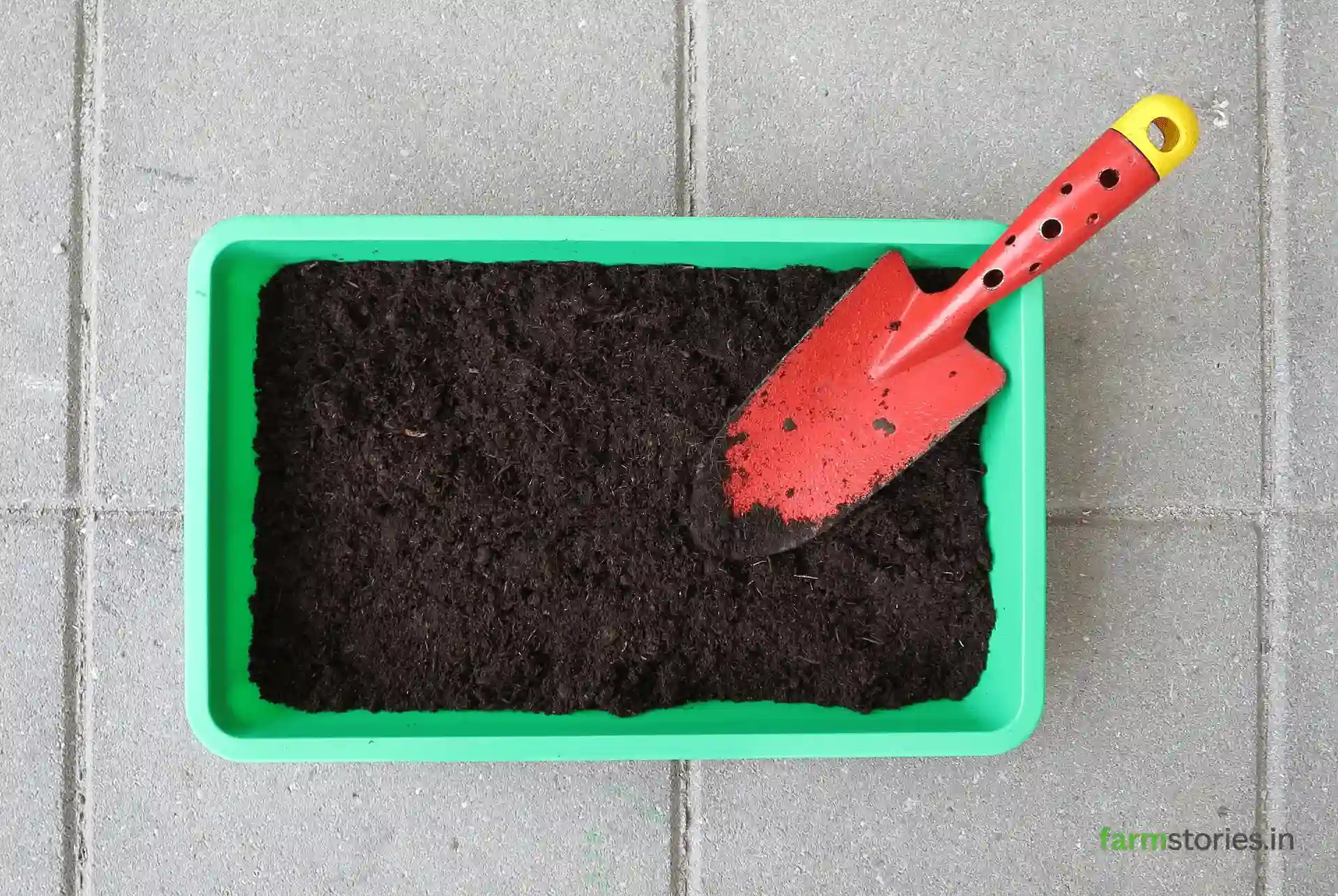
How to use: Mix 1–2 tablespoons into the soil before planting.
Join a community dedicated to sustainable cultivation. Subscribe to FarmStories below for free, authentic insights into modern agri-tech and organic farming methods.
2. Rock Phosphate (Long-Term Soil Health)
Rock phosphate releases nutrients slowly over time.
Best for long-term soil improvement
Suitable for terrace and raised beds
Works well in slightly acidic soil
Tip: Use during soil preparation for lasting benefits.
3. Fish Bone Meal (Boosts Soil Microbes)
Fish-based fertilizers are excellent for both plants and soil health.
Contains phosphorus and trace nutrients
Improves microbial activity
Supports overall plant growth
4. Banana Peel Fertilizer (Free Home Solution)
Banana peels are a simple and effective kitchen waste fertilizer.
Rich in phosphorus and potassium
Easy to prepare at home
Great for flowering plants
How to use: Dry and powder banana peels, then mix into soil or compost.
5. Poultry Manure (Fast Nutrient Boost)
Well-composted poultry manure is nutrient-rich and effective.
Improves soil fertility
Provides balanced nutrients
Boosts plant growth quickly
Note: Always use composted manure to avoid plant damage.
How to Apply Phosphorus Fertilizer Correctly
Step 1: Check Soil pH
Phosphorus is best absorbed when soil pH is between 6.0 and 7.0. If soil is too acidic or alkaline, plants cannot use the nutrient effectively.
Step 2: Apply at the Root Zone
Phosphorus does not move easily in soil, so:
Mix fertilizer into soil before planting
Place it near the roots for better absorption
Step 3: Use Top Dressing for Existing Plants
For growing plants:
Add fertilizer around the base
Lightly mix into topsoil
Water immediately
Pro Tips for Better Results
Combine phosphorus fertilizer with compost
Avoid overuse (too much can harm plants)
Focus on flowering and fruiting crops
Maintain regular watering schedule
Frequently Asked Questions (FAQ)
What is the best phosphorus fertilizer for plants at home?
Bone meal and banana peel fertilizer are the best organic options for home gardeners.
How do I fix phosphorus deficiency in plants?
Add organic fertilizers like bone meal and maintain proper soil pH.
Can I use kitchen waste as fertilizer?
Yes, banana peels and compost are excellent natural sources.
Which plants need more phosphorus?
Tomatoes, chillies, brinjal, and flowering plants need higher phosphorus levels.
Growing a healthy and productive garden is not as complicated as it may seem when you understand what your plants truly need. One of the most important steps is choosing the right phosphorus fertilizer for plants to support strong roots and better flowering. When your plants receive enough nutrients, you will notice faster growth and more consistent results over time. Many gardeners struggle with low yields simply because they ignore the importance of phosphorus fertilizer for plants in the early stages.
By using simple organic options like bone meal or banana peels, you can easily improve your soil without depending on chemicals. These natural methods not only enhance plant growth but also make your garden more sustainable in the long run. If you regularly apply phosphorus fertilizer for plants, your crops will develop stronger roots and produce more flowers. Over time, this leads to better fruiting and a more rewarding gardening experience.
It is also important to observe your plants and act quickly when you notice signs of nutrient deficiency. Adding phosphorus fertilizer for plants at the right time can completely change the outcome of your harvest. Even small improvements in soil care can bring noticeable results in just a few weeks. Consistency is the key, and regular feeding with phosphorus fertilizer for plants helps maintain long-term soil health.
Whether you are growing vegetables on a balcony or managing a terrace garden, these simple practices can make a big difference. Start small, experiment with organic solutions, and gradually build a system that works for your space. With the right approach and the proper use of phosphorus fertilizer for plants, you can transform your garden into a productive and healthy growing space. In the end, gardening becomes more enjoyable when your efforts are supported by the right knowledge and care.
Want to see these techniques in action? Join our growing community of urban farmers by following farmstories on LinkedIn, Instagram, YouTube, and Facebook for daily tips, video guides, and harvest inspiration!