How to make compost at home is one of the most useful gardening skills you can learn. Every day, most households throw away fruit peels, vegetable scraps, tea leaves, eggshells, and dry leaves without realizing they can become a valuable resource for the garden. Instead of ending up in a landfill, this organic waste can be transformed into compost that improves soil fertility and supports healthy plant growth.
Composting is a natural process in which microorganisms break down organic matter into a dark, crumbly material rich in nutrients. This finished product improves soil structure, increases water retention, and provides essential nutrients that plants need throughout their growing cycle.
Many people assume composting is difficult or requires a large outdoor space. In reality, you can make compost in a backyard, on a terrace, or even in a small apartment using a suitable compost bin. The process doesn’t require expensive equipment, and once you understand the basics, it becomes a routine part of managing household waste.
I’ve noticed that gardeners who regularly use homemade compost often spend less on fertilizers while producing healthier vegetables and flowering plants. Compost doesn’t just feed plants. It also improves the soil, which benefits your garden for years to come.
Whether you’re growing vegetables, herbs, flowers, or fruit plants, learning how to make compost at home is a practical step toward creating a healthier and more sustainable garden.
Table of Contents
What Is Compost?
Compost is decomposed organic matter produced when microorganisms break down plant-based materials under the right conditions. As bacteria, fungi, and other beneficial organisms feed on organic waste, they gradually convert it into a stable material that resembles dark, fertile soil.
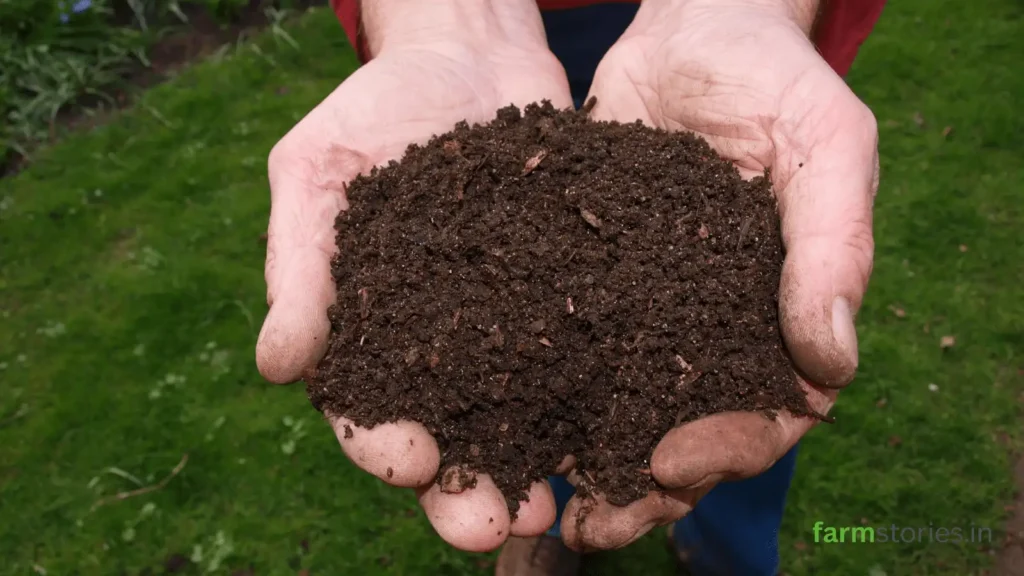
Good compost has a pleasant earthy smell, a loose texture, and a dark brown or black colour. It should no longer contain recognizable food scraps or garden waste.
Unlike chemical fertilizers, compost doesn’t simply supply nutrients. It improves the physical, chemical, and biological properties of the soil. This means healthier roots, better water retention, improved drainage, and increased microbial activity.
Join a community dedicated to sustainable cultivation. Subscribe to FarmStories below for free, authentic insights into modern agri-tech and organic farming methods.
Because compost releases nutrients slowly, plants receive a steady supply rather than a sudden burst of growth. This makes it suitable for vegetable gardens, flowering plants, fruit trees, lawns, and container gardening.
Why Should You Make Compost at Home?
Households generate a surprising amount of biodegradable waste every day. Fruit peels, vegetable scraps, coffee grounds, tea leaves, dry leaves, and small garden clippings often end up in the dustbin even though they can be recycled into valuable compost.
Learning how to make compost at home helps reduce household waste while creating a free source of organic fertilizer.
Some of the biggest advantages include:
Reduces kitchen waste sent to landfills.
Produces nutrient-rich compost at little or no cost.
These materials provide nitrogen, which supports microbial activity.
Suitable green materials include:
Fruit peels
Vegetable scraps
Fresh grass clippings
Tea leaves
Coffee grounds
Fresh garden weeds without seeds
Flower petals
Brown Materials (Carbon-Rich)
Brown materials improve airflow and help maintain the correct carbon-to-nitrogen ratio.
Good brown materials include:
Dry leaves
Shredded newspaper
Cardboard pieces
Straw
Coconut husk fibres
Small twigs
Sawdust from untreated wood
A balanced mix of green and brown materials produces compost more quickly and helps prevent unpleasant odours.
Materials You Should Never Compost
Although many organic materials can be composted, some should always be avoided because they attract pests, spread disease, or slow down decomposition.
Do not add:
Meat and fish scraps
Dairy products
Cooking oil
Plastic
Glass
Metal
Diseased plant material
Pet waste
Chemically treated wood
Glossy printed paper
Adding these materials can create foul smells, attract rodents, or contaminate the finished compost.
Instead, focus on clean kitchen waste and healthy garden materials to produce safe, high-quality compost.
Different Composting Methods
There isn’t a single “best” way to compost. The right method depends on the space available, the amount of kitchen waste your household generates, and how quickly you want finished compost.
1. Compost Bin Method
This is the most popular option for homes. A compost bin keeps the pile tidy, helps retain moisture, and speeds up decomposition.
You can buy a ready-made compost bin or make one from a plastic drum, bucket, or wooden box with ventilation holes.
This method is suitable for:
Home gardens
Terrace gardens
Small backyards
2. Compost Pit Method
If you have enough outdoor space, dig a pit about 1 to 1.5 metres deep and add kitchen waste in layers.
Cover each layer with dry leaves or soil to reduce odours and discourage flies.
This method requires very little maintenance and works well for larger gardens.
3. Bucket Composting
People living in apartments can compost successfully using two or three buckets with small ventilation holes.
Alternate layers of kitchen waste and dry materials while keeping the compost moist but not wet.
This method is ideal for balconies and compact urban homes.
How to Make Compost at Home with this easy step-by-step guide. Learn what to compost, what to avoid, and create nutrient-rich compost naturally.
4. Vermicomposting
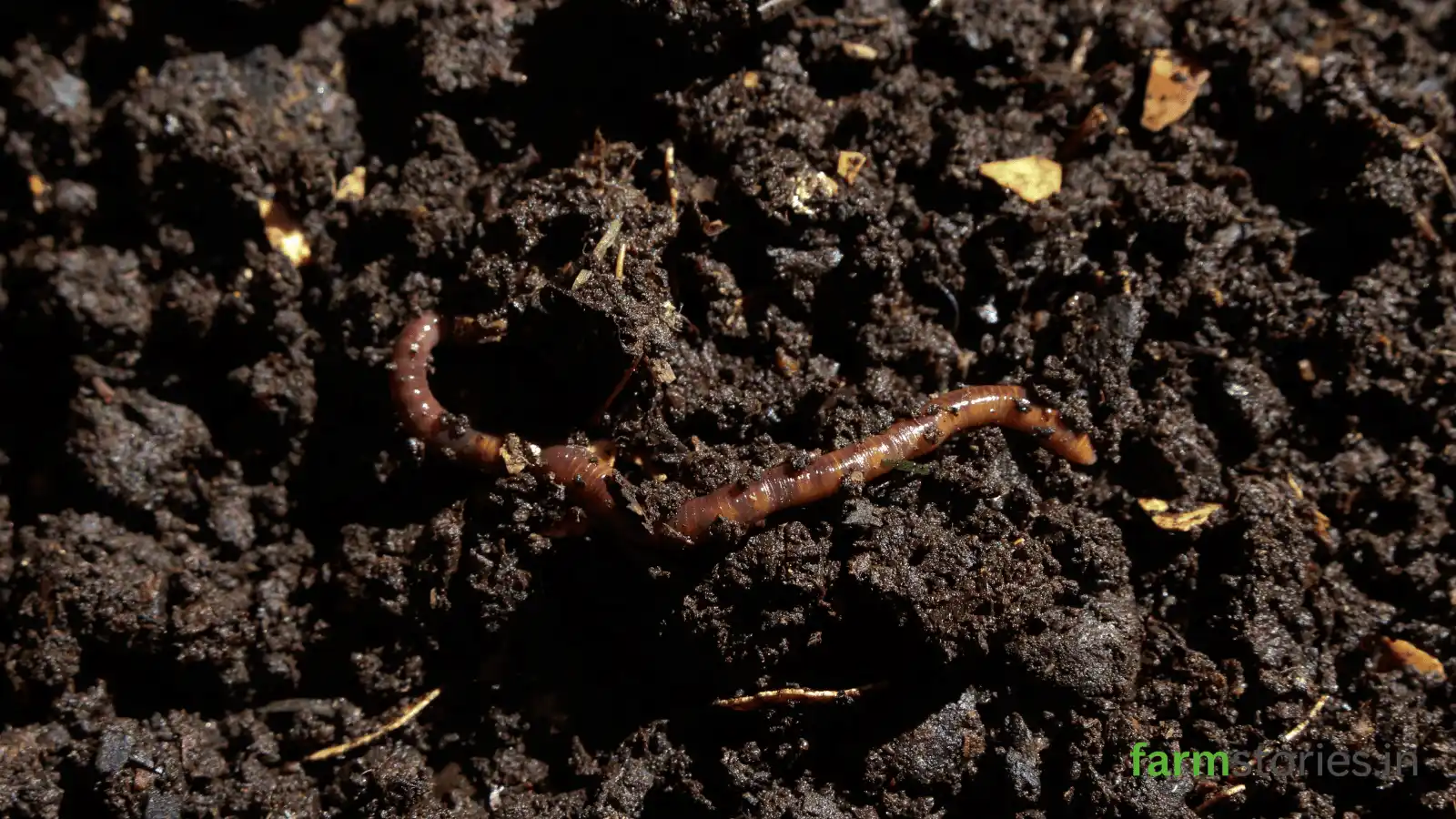
Vermicomposting uses composting worms, such as red wigglers, to break down organic matter more quickly.
The finished product, known as vermicompost, is rich in beneficial microbes and nutrients.
Although it requires slightly more care, vermicomposting produces excellent-quality compost for vegetables and flowering plants.
How to Make Compost at Home Step by Step
Learning how to make compost at home becomes much easier when you follow a simple process.
Step 1: Choose a Suitable Location
Select a shaded, well-ventilated area with good drainage.
Direct sunlight can dry out the compost too quickly, while heavy rain may make it excessively wet.
Step 2: Prepare Your Compost Bin
Use a container with drainage and ventilation holes.
Place a layer of small twigs or coconut husk at the bottom to improve airflow.
Step 3: Add Brown Materials First
Start with dry leaves, shredded newspaper, straw, or cardboard.
This base layer improves drainage and reduces unpleasant smells.
Step 4: Add Green Materials
Now add fruit peels, vegetable scraps, tea leaves, coffee grounds, and fresh garden waste.
Avoid adding large pieces. Chopping kitchen waste into smaller pieces speeds up decomposition.
Step 5: Build Alternate Layers
A simple rule is:
One layer of green materials
One layer of brown materials
Repeat this process until the container is full.
This balance helps microorganisms work efficiently.
Step 6: Maintain Moisture
Your compost should feel like a squeezed-out sponge.
If it’s too dry, sprinkle a little water.
If it’s too wet, add more dry leaves or shredded paper.
Step 7: Turn the Compost
Every 7 to 10 days, mix the compost using a garden fork or stick.
Turning introduces oxygen, speeds decomposition, and prevents foul odours.
Step 8: Wait for Compost to Mature
Depending on temperature, moisture, and materials, compost is usually ready in two to four months.
Finished compost is:
Dark brown or black
Crumbly
Earthy smelling
Cool to the touch
If food scraps are still easily recognizable, allow more time for decomposition.
Understanding the Green and Brown Balance
Many composting problems happen because the balance between green and brown materials is incorrect.
Green materials provide nitrogen, while brown materials supply carbon.
Too much green waste creates a wet, smelly compost pile.
Too many brown materials slow down decomposition.
A practical approach is to use roughly two parts brown materials for every one part green materials by volume.
You don’t need to measure precisely. Simply maintain a visible balance as you build the pile.
How Long Does Compost Take?
One of the most common questions about how to make compost at home is how long the process takes.
The answer depends on several factors:
Temperature
Moisture
Airflow
Particle size
Turning frequency
Typical composting times are:
Hot composting: 6 to 8 weeks
Home compost bins: 2 to 4 months
Compost pits: 3 to 6 months
Regular turning and smaller waste pieces usually produce compost more quickly.
Common Composting Problems and Solutions
Even well-managed compost piles can develop problems. Fortunately, most are easy to fix.
Bad Smell
Cause:
Too much moisture or insufficient airflow.
Solution:
Add dry leaves, shredded newspaper, or straw and turn the pile thoroughly.
Compost Is Too Dry
Cause:
Insufficient moisture.
Solution:
Sprinkle water evenly while turning the compost.
Compost Is Not Breaking Down
Cause:
Lack of nitrogen or poor aeration.
Solution:
Add fresh vegetable scraps or grass clippings and mix thoroughly.
Flies Around the Compost
Cause:
Food waste exposed on the surface.
Solution:
Cover fresh kitchen scraps with dry leaves or finished compost after each addition.
Rodents Visiting the Compost
Cause:
Adding meat, dairy products, or cooked food.
Solution:
Only compost suitable plant-based materials and keep the bin covered.
Expert Tips for Faster Composting
Small changes can significantly improve compost quality.
Chop fruit and vegetable scraps into smaller pieces.
Turn the compost every week.
Maintain the correct moisture level.
Cover food waste with dry leaves after every addition.
Keep the compost bin in partial shade.
Avoid adding diseased plants.
Use a variety of organic materials instead of relying on only one type.
Harvest finished compost before adding fresh waste again.
These simple habits help produce nutrient-rich compost more consistently.
Common Mistakes to Avoid
Many beginners make the same mistakes when learning how to make compost at home.
One of the biggest mistakes is adding only kitchen waste without enough dry materials. This usually creates a wet, unpleasant-smelling compost pile.
Another common mistake is forgetting to turn the compost. Without oxygen, decomposition slows and unwanted odours develop.
Adding cooked food, meat, dairy products, or oily leftovers can attract rats and flies.
Finally, don’t expect compost to be ready within a few weeks. Composting is a natural biological process that requires patience.
How to Use Finished Compost
After learning how to make compost at home, the next step is knowing how to use it effectively. Compost is a soil conditioner rather than an instant fertilizer, so it works best when mixed into the soil before planting or applied around established plants.
Mix It into Garden Soil
Before planting vegetables or flowers, spread a 2 to 3 cm layer of compost over the soil and mix it into the top 15 to 20 cm. This improves soil structure, boosts microbial activity, and provides a steady supply of nutrients.
Use as Mulch
Spread a thin layer of compost around the base of plants, leaving a small gap around the stem. This helps retain soil moisture, suppress weeds, and gradually feeds the plants as the compost breaks down.
Apply a thin layer of compost around fruit trees and over lawns during the growing season. Water thoroughly after application so nutrients move into the root zone.
Best Time to Apply Compost
Timing can make a noticeable difference in how well your plants benefit from compost.
The best times include:
Before sowing seeds.
Before transplanting seedlings.
At the beginning of the growing season.
After harvesting vegetables to restore soil fertility.
Around fruit trees at the start of spring or after the monsoon.
Applying compost regularly keeps the soil productive throughout the year.
Signs Your Compost Is Ready
If you’re unsure whether the compost has finished decomposing, look for these signs:
Dark brown to black colour.
Loose, crumbly texture.
Pleasant earthy smell.
No recognizable fruit peels or vegetable scraps.
Cool temperature throughout the pile.
If the compost still feels warm or contains visible food waste, allow it to mature for a few more weeks.
Can You Compost During the Rainy Season?
Yes. In fact, composting can continue throughout the year, including during the monsoon.
However, heavy rainfall can make the compost pile too wet. Excess moisture reduces airflow and slows decomposition.
To avoid this:
Keep the compost bin under a roof or shade.
Cover open compost piles with a breathable sheet during heavy rain.
Add extra dry leaves or shredded cardboard if the compost becomes soggy.
Turn the pile more often to improve aeration.
Good moisture management keeps the compost healthy even during prolonged rainy weather.
Expert Tips
If you’re just starting to learn how to make compost at home, keep these practical tips in mind:
Collect kitchen waste in a separate container every day.
Chop larger fruit and vegetable scraps into smaller pieces to speed up decomposition.
Keep a bag of dry leaves or shredded newspaper nearby to balance fresh kitchen waste.
Avoid adding too much citrus peel at one time, as it can slow microbial activity.
Turn the compost once a week for faster results.
Clean your compost bin occasionally to prevent pest build-up.
If you’re growing vegetables, use homemade compost before considering chemical fertilizers.
Small, consistent efforts produce better compost than trying to manage a large pile all at once.
Frequently Asked Questions
How long does it take to make compost at home?
Most home compost bins produce finished compost within 2 to 4 months, depending on temperature, moisture, and how often the pile is turned.
Can cooked food be added to compost?
It’s best to avoid cooked food because it may attract rodents, flies, and other unwanted pests.
Why does my compost smell bad?
A foul smell usually means the pile is too wet or lacks oxygen. Add dry materials such as leaves or shredded newspaper and turn the compost thoroughly.
Can I compost citrus peels?
Yes. Citrus peels can be composted in small amounts. Chop them into smaller pieces to help them decompose faster.
Is homemade compost enough for vegetable plants?
Homemade compost provides valuable organic matter and nutrients. Many vegetables grow well with regular compost applications, though heavy-feeding crops may benefit from additional organic fertilizers during the growing season.
Can I compost in an apartment?
Yes. Bucket composting and compact compost bins work well in apartments, balconies, and small terraces when managed properly.
What should I do if ants appear in the compost?
Ants often indicate that the compost is too dry. Add a little water, mix the pile, and maintain proper moisture.
Can compost replace chemical fertilizers completely?
For many home gardens, compost supplies enough organic matter and nutrients to support healthy growth. Depending on the crop and soil condition, some gardeners also use additional organic fertilizers when needed.
Learning how to make compost at home is one of the simplest ways to reduce household waste while improving the health of your garden. Everyday kitchen scraps, dry leaves, and garden waste can be transformed into nutrient-rich compost that supports strong roots, healthier soil, and better harvests.
The process doesn’t require expensive equipment or expert knowledge. With the right balance of green and brown materials, adequate moisture, and regular turning, almost anyone can produce high-quality compost at home.
Whether you’re growing vegetables, herbs, flowers, or fruit trees, homemade compost provides long-term benefits that chemical fertilizers alone cannot match. Start with a small compost bin, stay consistent, and you’ll soon have a reliable supply of natural compost for your garden.
Want to see these techniques in action? Join our growing community of urban farmers by following farmstories on LinkedIn, Instagram, YouTube, and Facebook for daily tips, video guides, and harvest inspiration!