For decades, mainstream agricultural wisdom dictated a simple formula: if you want high yields, you buy lab-engineered hybrid seeds, douse them in chemical fertilizers, and pray for timely rains.
But as weather patterns turn erratic and the cost of chemical inputs skyrockets, a quiet rebellion is taking root across India.
Forward-thinking agriculturalists are looking backward to move forward. They are turning to indigenous seeds—rare landraces, ancient grains, and forgotten crop varieties preserved by generations of tribal and smallholder farmers. Far from being low-yielding relics of the past, these ancient varieties are proving to be a highly profitable shield against climate change.
The ground reality of this transformative shift has been meticulously documented in a landmark report by the Centre for Science and Environment (CSE) titled “The Business of Agrobiodiversity: Tapping Farmer Producer Organizations.” The report highlights a powerful secret weapon driving this movement: collectivization through Farmer Producer Organizations (FPOs).
Here is how tapping the business of agrobiodiversity is changing the financial landscape for Indian farmers—and why it matters to you.
The Financial Magic of Using Indigenous Seeds in Low-Input Farming
Many farmers hesitate to switch to native crops because they fear lower yields. However, traditional agricultural economics misses a crucial metric: the cost of cultivation.
While hybrid crops might offer higher initial volumes, they require expensive chemical packages that drain a farmer’s wallet before the harvest even begins. On the other hand, native varieties thrive beautifully under low-input, organic farming systems.
Take the real-life transformation of Gaynamoni Murmu, a farmer in Bankura, West Bengal, featured in the CSE report.
Join a community dedicated to sustainable cultivation. Subscribe to FarmStories below for free, authentic insights into modern agri-tech and organic farming methods.
When practicing conventional farming, her seasonal input costs hovered around ₹25,000–₹28,000 per acre. After joining the Matir Kotha Farmer Producer Company and switching to indigenous seeds and bio-inputs made at home, her input costs dropped by 30%. Combined with collective marketing, her seasonal income jumped by 30%.
Key Takeaway: True profitability isn’t just about what you make; it’s about what you save. Lower input costs mean instant financial resilience.
Turning Indigenous Seeds into Premium, Value-Added Brands
When individual farmers try to sell niche crops, they are often at the mercy of local middlemen. But when they organize into FPOs, they gain immense bargaining power and the capacity to create premium, value-added brands.
The report details three brilliant blueprints of cooperatives scaling up native crops:
1. The Wildlife-Resistant Premium Rice
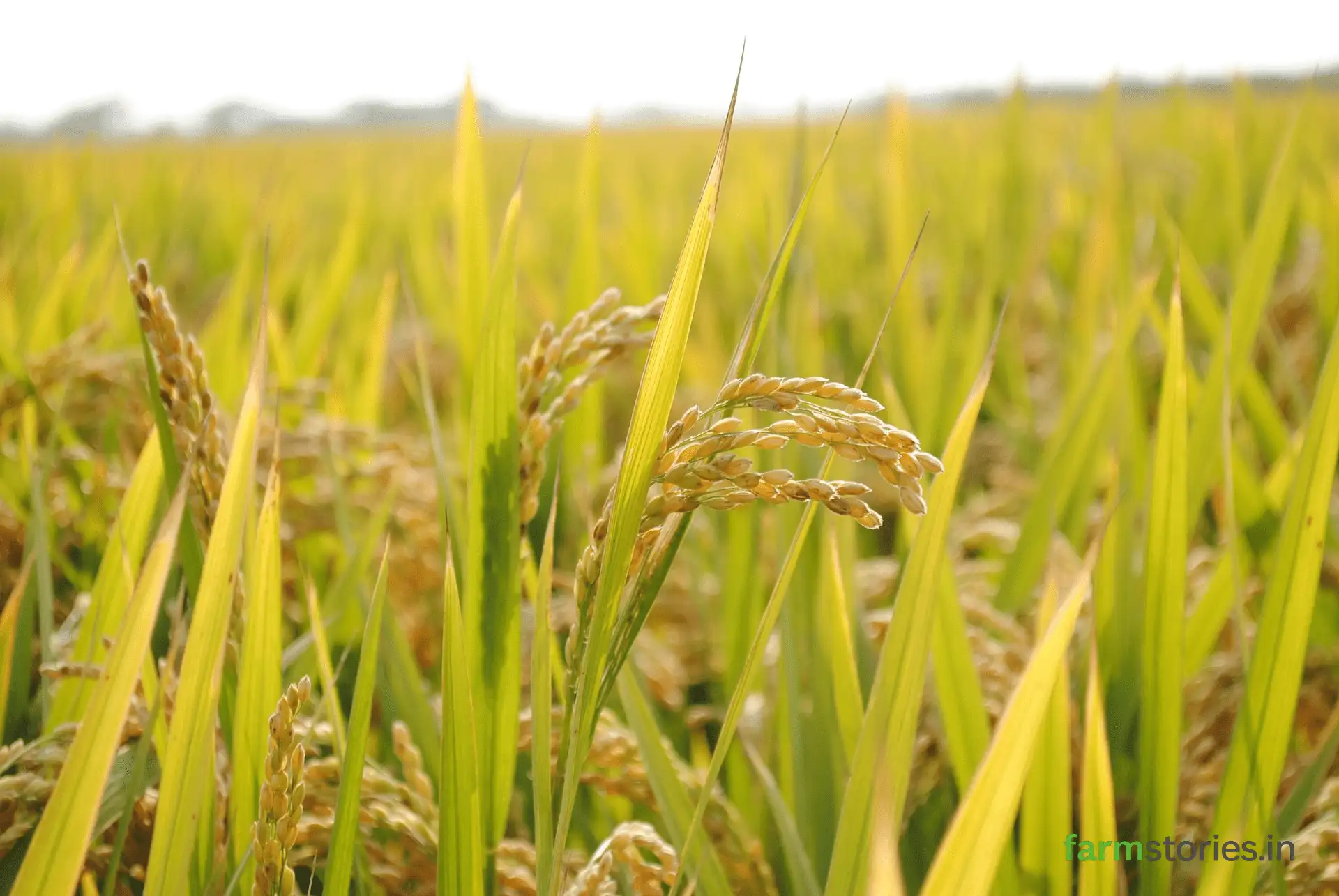
In Wayanad, Kerala, the Thirunelly Agri Producer Company Ltd (TAPCO) revived an aromatic native rice called Mullen Kayama. This unique grain features a distinctive physical spike on the paddy that naturally deters wild animals from destroying the fields. Previously restricted to local cultural festivals, TAPCO successfully branded and brought it to the open market. Today, farmers receive a premium price of ₹60 per kg for the paddy.
2. The Medicinal Superfood Poha
TAPCO also stepped in to save Valia Chennellu, a tall, traditional red medicinal rice historically consumed during pregnancy and postpartum periods. Because it was prone to falling over in the fields, it had nearly vanished due to low demand. The FPO converted this rare rice into high-demand poha (flattened rice), selling tonnes of it and giving farmers a stable procurement price of ₹47 per kg.
3. The GI-Tagged Culinary Gold
In Odisha, the Jaivik Sri FPO successfully secured a Geographical Indication (GI) tag for Koraput Kalajeera Rice. By processing and marketing this aromatic variety collectively, member farmers are earning a spectacular 40% above the government’s Minimum Support Price (MSP). They have even secured an exclusive institutional supply chain to the historic Jagannath Temple in Puri.
Rice Variety
Special Attribute
Farmer Procurement Rate (Per Kg)
Standard Paddy
Conventional Hybrid
~₹23.50 (Central MSP)
Wayanadan Thondi
High-demand table rice
₹34.00 (Via TAPCO FPO)
Valia Chennellu
Medicinal red rice (Poha)
₹47.00 (Via TAPCO FPO)
Mullen Kayama
Aromatic & Wildlife-resistant
₹60.00 (Via TAPCO FPO)
How Agritech Platforms Scale Indigenous Seeds: The 3C Model
How do small-scale farmer groups reach health-conscious urban shoppers in metros like Mumbai or Bangalore? The gap is bridged by forward-thinking agritech platforms using models like the one developed by KisaanSay Agtech in Haryana, which is detailed in the expert insights of the report.
They partner with grassroots FPOs using the 3C Model:
Co-Curate: Working alongside farmers to ensure strict quality control and authentic farm-gate sourcing.
Co-Brand: Keeping the farmer’s identity alive by proudly displaying the local FPO’s logo right on the front of consumer packaging.
Co-Profit: Sharing the rewards equally by sending 50% of the final net profits back to the cooperative.
This ensures that farmers aren’t just invisible cogs in a corporate machine—they are celebrated, visible partners who share in the final retail value of their hard work.
The Ultimate Motivation: Reclaiming Food Sovereignty Through Indigenous Seeds
The findings published by the Centre for Science and Environment prove that the shift toward conserving indigenous seeds is more than an economic strategy—it is a profound reclamation of independence. When farmers control their own seeds, brew their own organic bio-inputs, and own their processing mills through FPOs, they break free from absolute dependence on external chemical corporations and unpredictable middle markets.
As climate change tests the limits of modern agriculture, these resilient, biodiverse, and culturally rich food systems offer a proven pathway toward survival and prosperity.
By supporting local FPOs, prioritizing ancient grains, and trusting the wisdom of native landraces, Indian agriculture isn’t just conserving its rich biodiversity—it is building a highly sustainable, decentralized, and deeply profitable future.
Want to see these techniques in action? Join our growing community of urban farmers by following farmstories on LinkedIn, Instagram, YouTube, and Facebook for daily tips, video guides, and harvest inspiration!