Farming has always depended on experience, careful observation, and timely decisions. Knowing when to sow, irrigate, apply fertilizers, or protect crops from pests often determines the success of a season. Today, farmers have access to another valuable resource: data.
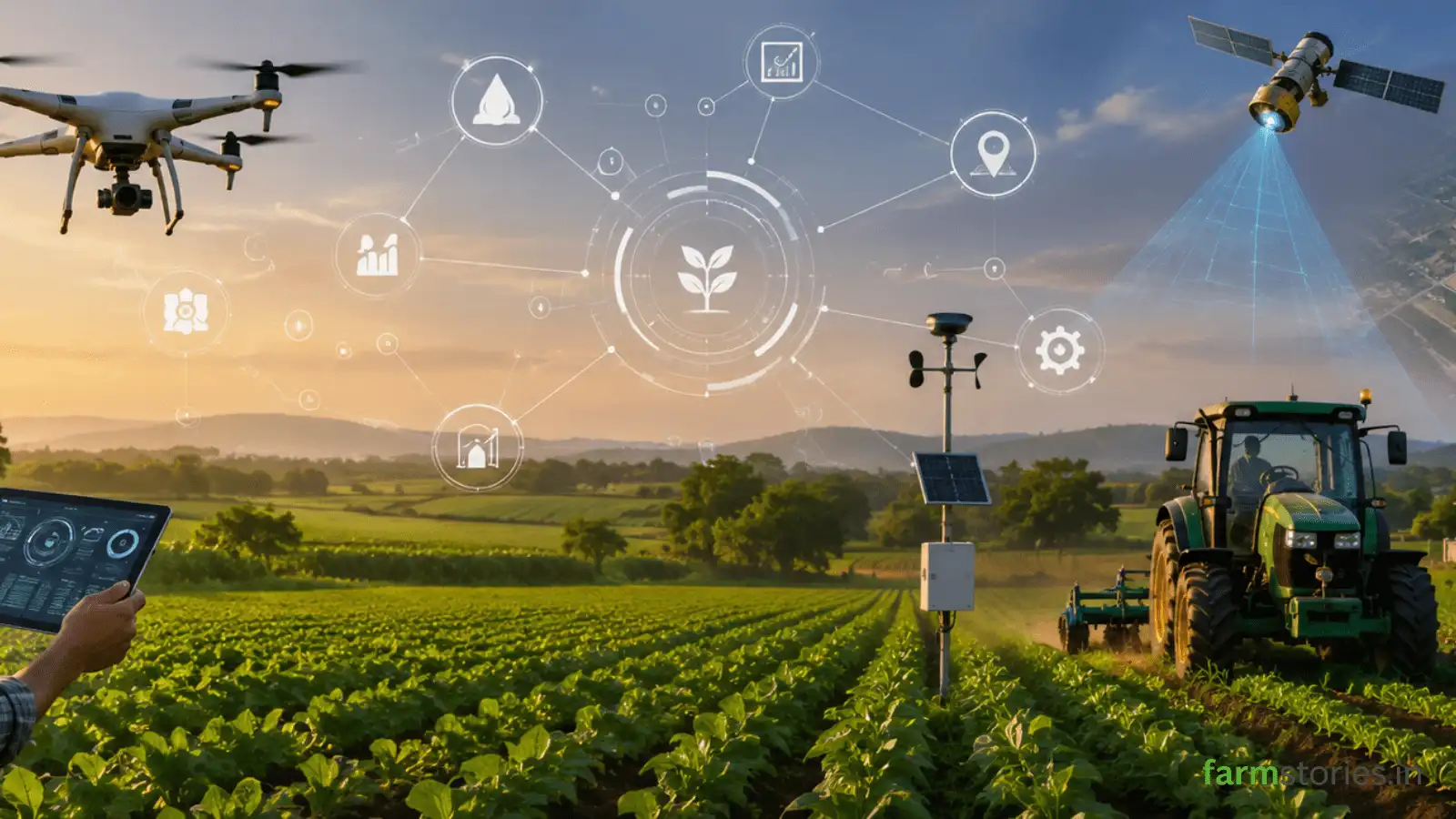
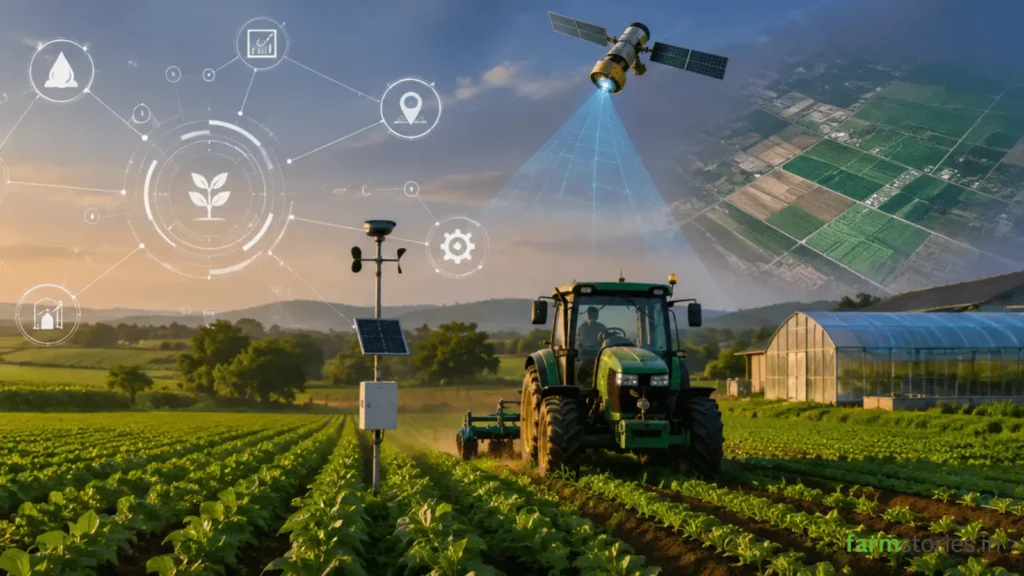
Modern farms generate information every day through weather stations, soil sensors, drones, satellites, and farm equipment. When this information is analyzed quickly and accurately, it helps farmers make better decisions. This is where AI in agriculture is becoming increasingly useful.
Artificial intelligence does not replace farmers. Instead, it helps them understand field conditions, identify potential problems earlier, and manage resources more efficiently. Whether it’s detecting nutrient deficiencies, monitoring crop health, or predicting irrigation needs, AI supports informed decision-making.
Countries around the world are investing in digital agriculture, and India is also seeing rapid growth in this field. Startups, research institutions, and agricultural technology companies are developing practical solutions that farmers can use on both small and large farms.
As climate patterns become less predictable and input costs continue to rise, technologies that improve efficiency are becoming more relevant. Used alongside traditional farming knowledge, these tools can help improve productivity while reducing unnecessary expenses.
In this article, you’ll learn how AI in agriculture works, where it is already being used, and how it is shaping the future of farming.
Table of Contents
What Is AI in Agriculture?
AI in agriculture refers to the use of computer systems that can analyze agricultural data, recognize patterns, and support farming decisions.
These systems collect information from different sources, including:
Join a community dedicated to sustainable cultivation. Subscribe to FarmStories below for free, authentic insights into modern agri-tech and organic farming methods.
Soil sensors
Weather stations
Satellites
Agricultural drones
Farm machinery
Mobile applications
After processing the information, they can recommend suitable actions, such as adjusting irrigation schedules, identifying crop stress, or estimating fertilizer requirements.
Instead of relying only on manual observation, farmers can combine field experience with accurate, data-based recommendations.
Why AI in Agriculture Is Becoming Important
Agriculture is becoming more challenging every year. Farmers must deal with changing weather, water shortages, rising production costs, labour shortages, and increasing pressure to produce more food from limited land.
These challenges have encouraged the adoption of technologies that improve efficiency and reduce waste.
Some of the main reasons farmers are adopting AI in agriculture include:
Better crop monitoring
More efficient irrigation
Early detection of pests and diseases
Improved fertilizer management
Reduced input costs
Better yield prediction
Faster decision-making
More efficient use of labour
These benefits help farmers improve productivity without increasing unnecessary expenses.
Benefits of AI in Agriculture
The use of AI in agriculture offers practical advantages across different farming systems.
Better Crop Monitoring
Regular field monitoring helps farmers identify crop stress before it becomes visible across the entire field.
Improved Water Management
AI-supported irrigation systems estimate when crops actually need water, helping farmers reduce wastage while maintaining healthy crop growth.
Reduced Fertilizer Use
By combining soil information with crop requirements, AI-based recommendations help farmers apply fertilizers more accurately.
Early Pest and Disease Detection
Images captured by drones and mobile applications can identify signs of pests and diseases at an early stage, allowing timely intervention.
Higher Productivity
Better management of water, nutrients, and crop health often results in improved yields and more consistent production.
Lower Production Costs
Using farm inputs only where they are needed reduces unnecessary spending on fertilizers, pesticides, and irrigation.
Better Farm Planning
Weather forecasts, crop growth data, and historical records help farmers plan planting, harvesting, and resource allocation more effectively.
How AI in Agriculture Works
Although the technology behind AI is complex, its practical use in farming follows a straightforward process.
Step
Purpose
Data Collection
Information is gathered from sensors, drones, satellites, weather stations, and farm equipment.
Data Analysis
Computer systems identify patterns and detect changes in crop and soil conditions.
Recommendations
The system suggests actions related to irrigation, fertilizer use, pest management, or harvesting.
Farmer Decision
Farmers review the recommendations and decide what works best for their fields.
The final decision always remains with the farmer. AI provides guidance, but local knowledge and practical experience remain essential.
Challenges of AI in Agriculture
While AI offers many advantages, it also comes with practical challenges.
Some farmers may face:
High initial investment
Limited internet connectivity
Lack of technical training
Concerns about data privacy
Difficulty integrating new tools with existing farming practices
As technology becomes more affordable and accessible, these barriers are gradually reducing.
farmstories Tip
Technology works best when it supports good farming practices. Regular soil testing, proper irrigation, balanced nutrient management, and timely field inspections remain the foundation of successful farming. Digital tools are most effective when combined with practical experience and local knowledge.
Artificial intelligence is no longer limited to research laboratories or large commercial farms. Many tools are already helping farmers make better decisions, reduce waste, and improve productivity.
Here are some of the most practical applications of AI in agriculture today.
1. Smarter Crop Monitoring
Walking through a field every day is time-consuming, and problems often go unnoticed until they become serious.
Today, drones, satellite images, and mobile applications can detect changes in crop health much earlier. They identify areas showing signs of stress, poor growth, or nutrient deficiency, allowing farmers to inspect only the affected sections instead of the entire field.
Companies such as CropIn, SatSure, and OneSoil provide crop monitoring solutions that help farmers track crop performance throughout the growing season.
Benefits
Early detection of crop stress
Better field management
Reduced scouting time
Faster decision-making
2. Precision Irrigation
Water is one of the most valuable resources in agriculture. Applying too much or too little can reduce yields.
Smart irrigation systems combine information from soil moisture sensors, weather forecasts, and crop growth stages to recommend when and how much water should be applied.
Several irrigation companies, including Netafim, Jain Irrigation Systems, and Rivulis, have introduced digital irrigation platforms that help improve water use efficiency.
Benefits
Saves water
Reduces electricity costs
Prevents over-irrigation
Supports healthier crop growth
3. Soil Health Analysis
Healthy crops begin with healthy soil.
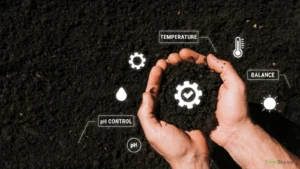
Modern soil testing devices and digital platforms help farmers understand nutrient levels, soil moisture, pH, and organic matter. Instead of relying only on seasonal laboratory reports, farmers can monitor soil conditions more frequently.
Companies like AgroCares,CropX, and Teralytic have developed digital soil monitoring solutions that provide detailed field information.
Benefits
Better fertilizer planning
Improved soil fertility
Reduced nutrient losses
Lower input costs
4. Early Pest and Disease Detection
Identifying pests and diseases during the early stages helps reduce crop losses.
Farmers can now use mobile applications to photograph affected leaves and receive likely diagnoses within seconds. These tools compare symptoms with large agricultural databases and suggest possible management options.
Popular platforms include Plantix, and BharatAgri, which support farmers with crop health monitoring and advisory services.
Benefits
Faster diagnosis
Timely control measures
Reduced crop damage
Lower pesticide use
5. Weather-Based Farm Planning
Unexpected rainfall, heatwaves, and storms can affect every stage of crop production.
Weather intelligence platforms combine local forecasts with farm data to help farmers decide the best time for sowing, irrigation, fertilizer application, and harvesting.
Companies such as Skymet Weather and IBM Environmental Intelligence provide weather-based advisory services for agriculture.
Benefits
Better seasonal planning
Reduced weather-related losses
Improved timing of farm operations
6. Yield Prediction
Knowing the expected harvest before the season ends helps farmers prepare for storage, transportation, labour requirements, and marketing.
By analysing historical yields, crop growth, rainfall, and field conditions, digital platforms estimate likely production levels.
This information helps farmers make more informed business decisions.
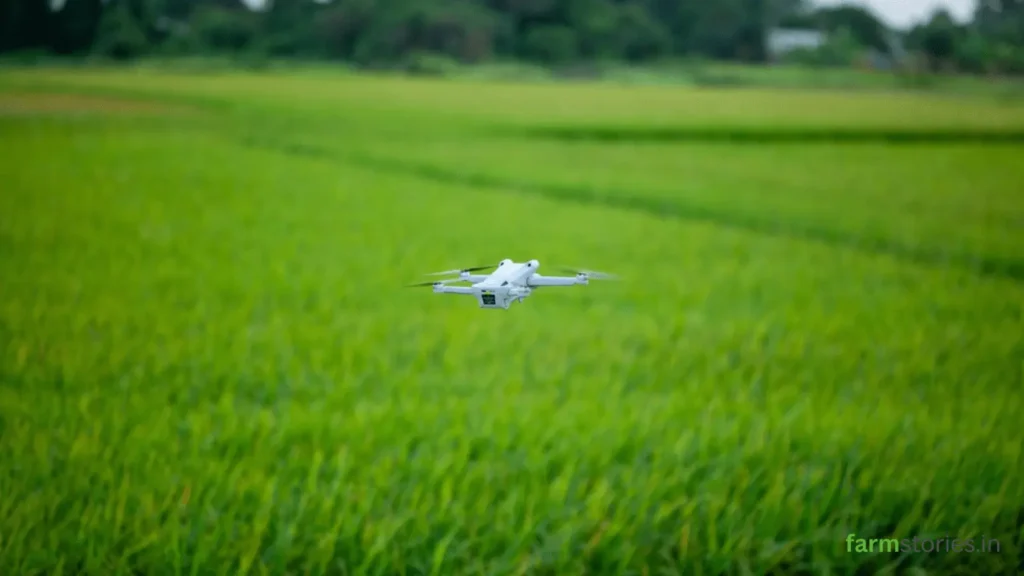
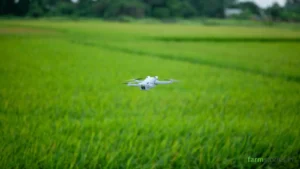
7. Drone-Based Field Surveys
Agricultural drones have become valuable tools for monitoring large farms.
AI in agriculture – Agricultural drones have become valuable tools for monitoring large farms.
8. Precision Spraying
Instead of spraying an entire field, precision spraying systems apply crop protection products only where needed.
Special cameras identify weeds or affected plants, reducing unnecessary chemical use.
This approach helps lower costs while protecting beneficial insects and reducing environmental impact.
9. Smart Farm Machinery
Modern tractors and agricultural equipment now include GPS guidance, automatic steering, and digital field mapping.
Manufacturers such as John Deere, and Mahindra continue to introduce technologies that improve field accuracy and reduce operator fatigue.
These systems are especially useful for large farms where consistency is important.
10. Livestock Monitoring
Technology is also improving animal farming.
Wearable sensors attached to cattle can monitor:
Body temperature
Activity levels
Feeding behaviour
Health status
Early detection of illness allows farmers to take action before problems become severe.
11. Harvest Planning
Harvesting crops too early or too late can reduce quality and profitability.
Modern farm management platforms analyse crop maturity, weather forecasts, and field conditions to help farmers identify the most suitable harvesting window.
This reduces post-harvest losses and improves product quality.
12. Supply Chain Management
Agriculture does not end at harvest.
Digital platforms now help farmers manage storage, transportation, inventory, and market access more efficiently.
Indian companies such as Ninjacart and DeHaatconnect farmers with buyers while improving supply chain efficiency.
13. Greenhouse Automation
Protected cultivation increasingly relies on automated climate control systems.
Temperature, humidity, lighting, and irrigation can all be monitored continuously, helping growers maintain favourable conditions for vegetables, flowers, and high-value crops.
14. Farm Management Platforms
Many farmers now use mobile applications to record expenses, monitor crop growth, schedule field activities, and maintain production records.
These digital farm management tools simplify daily operations and improve long-term planning.
15. Financial and Insurance Support
Agricultural technology is also supporting financial services.
Digital records, satellite imagery, and field monitoring help banks and insurance providers assess crop conditions more accurately.
This can speed up loan approvals, crop insurance assessments, and claim verification.
Can Small Farmers Benefit from AI in Agriculture?
Many people assume that AI in agriculture is only suitable for large commercial farms, but that is changing quickly. Today, even small and medium-scale farmers can access weather advisory apps, crop monitoring services, digital soil testing, and pest identification tools through their smartphones. These affordable solutions help farmers make timely decisions without investing in expensive machinery.
Government initiatives, agricultural universities, and agritech startups are also making AI in agriculture more accessible by offering training programs, advisory services, and digital platforms tailored to local farming conditions. As internet connectivity improves in rural areas, more farmers are expected to adopt these technologies in their daily operations.
How AI in Agriculture Supports Sustainable Farming
One of the biggest advantages of AI in agriculture is its ability to reduce unnecessary use of water, fertilizers, and crop protection products. By identifying exactly where and when resources are needed, farmers can avoid waste while maintaining healthy crop growth. This improves both farm profitability and environmental sustainability.
When combined with good farming practices, AI in agriculture supports efficient resource management, healthier soils, and better long-term productivity. It complements traditional farming knowledge rather than replacing it, allowing farmers to make informed decisions based on field conditions and reliable data.
Choosing the Right AI in Agriculture Solution
There is no single technology that suits every farm. Before investing in any digital farming tool, farmers should consider their crop type, farm size, available budget, internet connectivity, and local technical support. Starting with simple tools such as weather advisory apps or digital soil testing services is often a practical first step.
As the agricultural sector continues to modernize, AI in agriculture is becoming more affordable and easier to use. Farmers who gradually adopt suitable technologies can improve efficiency while gaining valuable experience with digital farming solutions.
Training and Digital Skills Are Key to AI in Agriculture
The success of AI in agriculture depends not only on technology but also on the ability of farmers to use it effectively. Learning how to interpret weather forecasts, understand crop reports, or use a farm management app can make a significant difference in day-to-day farming decisions. Agricultural universities, Krishi Vigyan Kendras (KVKs), government extension services, and agritech companies are increasingly offering training programs that help farmers build these digital skills. As more people become familiar with these tools, AI in agriculture is likely to become a practical part of farming rather than a technology used by only a few.
Comparison of Traditional Farming and Technology-Enabled Farming
Activity
Traditional Approach
Technology-Enabled Approach
Crop monitoring
Manual field inspection
Drone and satellite monitoring
Irrigation
Fixed schedule
Soil moisture-based scheduling
Fertilizer application
General recommendation
Site-specific recommendations
Pest detection
Visual observation
Image-based identification
Weather planning
Local experience
Weather forecasting platforms
Farm records
Notebook
Mobile farm management apps
Technologies Farmers Can Start Using Today
Farmers do not need expensive equipment to benefit from digital agriculture.
Want to see these techniques in action? Join our growing community of urban farmers by following farmstories on LinkedIn, Instagram, YouTube, and Facebook for daily tips, video guides, and harvest inspiration!