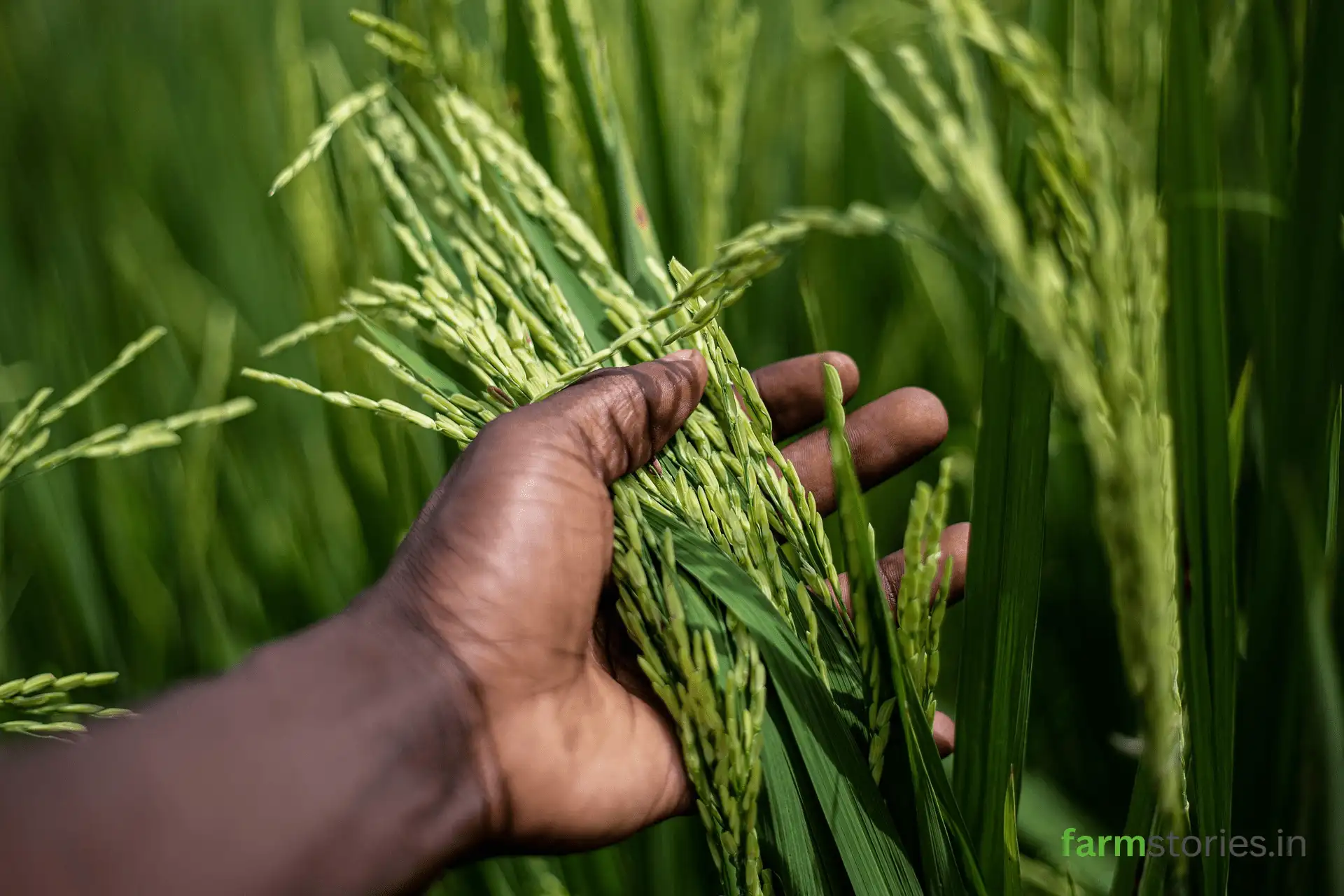
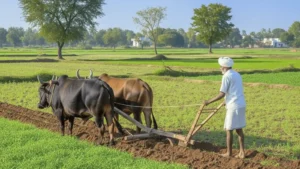
Rising fuel and chemical fertilizer prices are hurting food systems worldwide. When these costs go up, farmers face financial trouble and lower crop production. To solve this issue, communities are expanding natural farming in India to build an independent food supply. This method mixes old ways of caring for the soil with new technology like drones and artificial intelligence. It shows other countries how to grow food reliably without depending on expensive chemicals.
The Detailed Story of India’s Transition
1. Global Food Crises Meet Local Solutions
The year 2026 brings big challenges for traditional farming. Geopolitical conflicts disrupt energy markets, making fuel and chemical fertilizers expensive. While foreign farms that depend on chemicals struggle, the growth of natural farming in India protects local food sovereignty.
This change combines traditional habits with modern data. By focusing on soil health and satellite data, developers prove that natural farming in India can compete with chemical farming. This transition helps poor communities save money on expensive imported inputs.
2. The Power of Peer-to-Peer Learning
Many farming programs fail because outside experts give rigid advice. The Andhra Pradesh Community Managed Natural Farming (APCNF) program changed this setup to boost natural farming in India. The project grew from 40,000 farmers in 2016 to 1.8 million by 2026.
The program works because successful farmers teach their neighbors. This community effort helped APCNF win the 2026 Food Planet Prize. It gives other countries a simple plan to follow if they want to expand natural farming in India styles of agriculture.
3. High Yields and Multi-Layered Income
Many people think that farming without chemicals means lower yields and less money. Valluvan, a former engineer in Coimbatore, proved this wrong. His work shows the financial success of natural farming in India on his 26-acre farm. His farm is now part of the UNCCD-WOCAT global database. He replaced a failing coconut farm with a mix of different crops.
Valluvan grows coconut trees, fruit trees, pepper, and bananas while raising livestock. He won the 2026 Soil Health Guardians award from the UN Food and Agriculture Organization (FAO). His results show clear benefits:
Your annual income can reach ₹2.5 to ₹3 lakhs per acre.
Coconut trees increased production from 100 to 160 nuts each.
The average weight of each coconut grew from 400 grams to 550 grams, with zero chemicals.
Stopping chemical use and heavy plowing lowers your daily costs.
4. Data and Biological Inputs Drive Natural Farming in India
New technology does not mean using more chemicals. The current movement uses high-tech tools to improve natural farming in India. While some leaders promote traditional cow dung manure for cultural reasons, technology companies are making these methods precise.
Join a community dedicated to sustainable cultivation. Subscribe to FarmStories below for free, authentic insights into modern agri-tech and organic farming methods.
AI and drones scan fields to find exactly where the soil lacks nutrients. You can then apply natural mixtures like Jeevamrit (a liquid made from cow dung and urine) or Beejamrit (a natural seed treatment) exactly where needed. Drones check tree health, and AI suggests natural treatments. Soil microbes and satellite data work together to perfect natural farming in India.
Technology Tool
Agricultural Purpose
Natural Input Material
Agritech Drones
Scans fields for nutrient gaps
Jeevamrit liquid culture
AI Software
Predicts pest outbreaks
Neem-based biological sprays
Soil Sensors
Tracks moisture levels
Plant mulch and leaf cover
5. Local Rules for Chemical-Free Villages
Community choices help expand these farming methods. In Sine village, Arunachal Pradesh, residents started the Khet Bachao Abhiyan (Save the Fields Campaign). Led by village leader Yaman Tatin, the community passed a law to support natural farming in India by banning all chemical fertilizers and pesticides.
A five-member committee enforces the ban and helps farmers change their methods. They use specific natural alternatives:
Neem-based sprays and insect traps manage pests.
Jeevamrit and Beejamrit keep soil and seeds healthy.
Covering the soil with leaves (mulching) and rotating crops keeps moisture in the ground and stops weeds.
Local officials say Sine is a model for others. Local laws can create chemical-free zones that resist global supply crises.
6. Rebuilding Soil Carbon Stores
Soil organic carbon (SOC) is necessary for long-term farming success. Chemicals ruin this carbon, but natural farming in India restores it. On Valluvan’s farm, soil carbon rose from 0.52% to 3.36%. Healthy soil holds more water and feeds the microbes that plants need to grow.
State governments are supporting these results to grow the reach of natural farming in India. In Tripura, Agriculture Minister Ratan Lal Nath started a campaign in June 2026 to expand natural farming to 16,000 hectares. This plan protects the land from damage caused by heavy chemical use.
The Indian movement shows a practical way forward by mixing old wisdom with new technology. When a village bans chemicals and a farmer triples his income using variety, the system works. You can use these community networks and data tools to build a safe food system. Embracing natural farming in India helps smallholders survive global economic shocks.
Want to see these techniques in action? Join our growing community of urban farmers by following farmstories on LinkedIn, Instagram, YouTube, and Facebook for daily tips, video guides, and harvest inspiration!