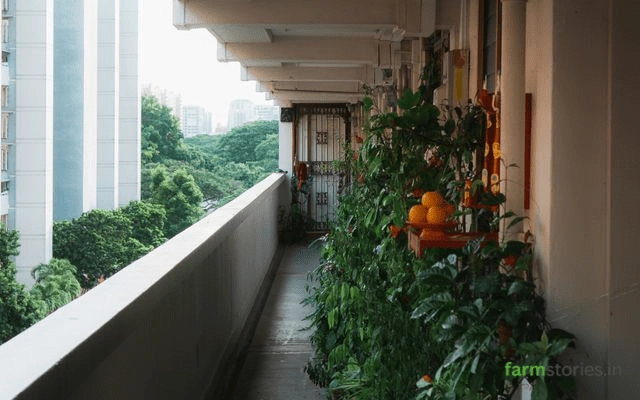
Growing balcony vegetables allows you to harvest fresh, organic food right outside your door. However, container environments differ significantly from traditional garden beds. Small spaces alter how water, light, and nutrients interact with your plants. If your crops are struggling to survive, you might be making critical errors without realizing it. Many urban growers fail because they treat an apartment terrace like a backyard garden.
Identifying these architectural and biological issues early will save your plants. Here are five frequent mistakes that ruin balcony vegetables and the concrete actions you can take to fix them today.
1. The Pot Size Trap for Balcony Vegetables
The most frequent mistake in urban horticulture is selecting a pot based on a seedling’s current size. While a small okra or tomato plant looks charming in a petite ceramic pot, its mature root system is the true engine of growth. When roots are restricted, the entire plant encounters a biological ceiling that no amount of fertilizer can fix.
Restricted roots stunt plant growth, reduce yields, and cause the soil to dry out within hours. To ensure your balcony vegetables grow large and healthy, you must match the container volume to the mature dimensions of the crop.
Match Pot Size to Mature Plant Dimensions
You must provide adequate space for root expansion. Review the specific volume requirements for common crops:
Tomatoes and Eggplants: These plants require containers that measure at least 12 to 14 inches in diameter and depth
Peppers and Bush Beans: These plants require containers that measure at least 10 inches deep.
Okra and Cucumbers: These require containers that measure at least 10 inches
Salad Greens and Radishes: These plants have shallow roots and grow well in smaller containers, so they require pots that are at least 10 inches deep.
Choosing the right genetics also ensures your plants stay within the physical limits of your space. Select determinate bush tomatoes rather than indeterminate vining types to maximize your output.
2. Why Real Soil Kills Potted Balcony Vegetables
Scooping dirt from a yard or a local field kills potted crops. Natural ground soil contains high levels of clay, which compacts tightly when watered inside a container. This compaction deprives the roots of oxygen, locks in water, and introduces soil-borne diseases directly to your balcony vegetables.
Use a Professional Soil Mix
Container plants require a loose, aerated medium that retains moisture while draining excess water quickly. The solution is to utilize a controlled, sterilized growth medium that provides structure without compaction risks. Use this exact ratio for your containers:
Join a community dedicated to sustainable cultivation. Subscribe to FarmStories below for free, authentic insights into modern agri-tech and organic farming methods.
40% Garden Soil: Provides a clean base structure.
30% Organic Compost: Supplies essential micro-nutrients. Add a handful of fresh compost every 10 to 15 days.
30% Cocopeat or Peat Moss: Retains moisture evenly.
Aeration Additives: Mix in a cup of perlite or vermiculite to maintain vital air pockets for root respiration.
3. Mismanaging the Watering Schedule
Inconsistent watering is a primary reason why balcony vegetables fail. Concrete balconies trap heat, and high-altitude winds dry out exposed pots much faster than ground soil. Overwatering suffocates roots, leading to root rot. Underwatering causes flower drop, meaning your tomato or pepper blossoms fall off before producing food.
Implement the Knuckle Test
Never water your plants on a rigid calendar schedule. Instead, check the moisture levels manually every morning using your finger.
Push your index finger into the soil up to the second knuckle, reaching about 2 inches deep.
If the soil feels dry and warm at that depth, water the container until liquid drains freely from the bottom holes.
If the soil feels wet or cool, do not water. Check the container again the next day.
Always use pots with open drainage holes to prevent waterlogging.
4. Misjudging Daily Sunlight Requirements for Balcony Vegetables
Vegetables require specific light levels to fuel photosynthesis. Urban gardeners often overestimate the light their sunny spaces actually receive. Placing sun-loving crops in a shaded corner results in tall, spindly stems that fracture easily under the weight of small fruit. Conversely, placing shade-tolerant greens in intense afternoon sun burns the leaves.
Track Your Balcony Sun Patterns
Spend one weekend monitoring your balcony hourly to count the exact number of direct sunlight hours. Match your balcony vegetables to the measured light levels:
Light Level
Hours of Direct Sun
Recommended Crops
Full Sun
6+ Hours
Tomatoes (Bush types), Peppers, Cucumbers, Squash
Partial Shade
4 to 6 Hours
Carrots, Beets, Radishes
Full Shade
Under 4 Hours
Spinach, Kale, Swiss Chard, Mint, Cilantro
5. Ignoring the Nutrient Leak Phenomenon
Every time you water your container crops, nutrients wash out through the drainage holes. Since the roots cannot expand into the ground to find more minerals, your balcony vegetables quickly consume all available food in the pot. Even premium soil loses its initial nutrient boost within four weeks. Leaves will turn pale yellow, and fruit production will stop entirely.
Establish a Consistent Feeding Routine
Apply a balanced, water-soluble organic fertilizer every two weeks.
For leafy crops like kale, look for a fertilizer with a higher nitrogen content to encourage foliage growth.
For fruiting plants like peppers, switch to a fertilizer higher in phosphorus and potassium once flowers appear to support fruit development and prevent yield loss.
To protect your balcony vegetables from wind damage, cluster your pots together. Grouping containers creates a microclimate that raises humidity and shields smaller plants from gusts. Secure tall plants to sturdy stakes or the balcony railing using soft garden twine.
During extreme summer heatwaves, concrete floors absorb and radiate heat back into the pots. Place wooden blocks or rolling plant stands under your containers to break the direct heat transfer.
Regular Monitoring for Long-Term Success
Check your balcony vegetables daily for early signs of trouble. Examine the undersides of leaves every two days for common pests like aphids or spider mites. Spray your plants with neem oil weekly to control infestations before they spread. By adjusting your pots, using the correct soil mix, and watering based on soil moisture rather than the clock, you will maintain a highly productive container garden throughout the season.
Want to see these techniques in action? Join our growing community of urban farmers by following farmstories on LinkedIn, Instagram, YouTube, and Facebook for daily tips, video guides, and harvest inspiration!