Soil health management is one of the most important aspects of successful farming. Healthy soil provides essential nutrients, stores water efficiently, supports beneficial microorganisms, and creates the ideal environment for strong plant growth. Whether you grow vegetables in a home garden or manage a large agricultural field, maintaining healthy soil directly influences crop yield, plant health, and long-term farm productivity.
Modern agriculture often focuses on increasing production, but continuous cultivation, excessive tillage, and the overuse of chemical fertilizers can gradually reduce soil quality. Poor soil fertility affects nutrient availability, water retention, and the biological activity that plants depend on for healthy growth.
Effective soil health goes beyond adding fertilizers. It involves protecting soil structure, increasing organic matter, encouraging beneficial microbes, preventing erosion, and using sustainable farming practices that improve the land year after year.
In this guide, you’ll learn what soil health is, why it matters, the factors that affect soil fertility, and practical techniques that farmers and gardeners can use to build healthier, more productive soil naturally.
Table of Contents
What Is Soil Health Management?
Soil health is the process of maintaining and improving the physical, chemical, and biological properties of soil so it can support healthy plant growth over the long term. Healthy soil is more than just a growing medium. It is a living ecosystem filled with microorganisms, fungi, earthworms, insects, and organic matter that work together to recycle nutrients and support plant development.
Good soil health aims to:
Improve soil fertility.
Increase organic matter.
Enhance water infiltration and retention.
Encourage beneficial microorganisms.
Reduce soil erosion.
Support sustainable crop production.
Minimize nutrient losses.
By adopting proper soil management practices, farmers can reduce input costs, improve crop resilience, and maintain productive farmland for future generations.
Join a community dedicated to sustainable cultivation. Subscribe to FarmStories below for free, authentic insights into modern agri-tech and organic farming methods.
Why Is Soil Health Important?
Healthy soil forms the foundation of sustainable agriculture. It supplies plants with nutrients, stores water during dry periods, and provides oxygen for healthy root development. It also supports billions of microorganisms that help decompose organic matter and release nutrients in forms that plants can absorb.
Benefits of healthy soil include:
Higher crop yields.
Improved nutrient availability.
Better drought resistance.
Reduced soil erosion.
Increased microbial activity.
Improved soil structure.
Greater carbon storage.
Long-term agricultural sustainability.
Healthy soil also helps crops tolerate environmental stresses such as drought, heavy rainfall, and temperature fluctuations, making farms more resilient to changing climate conditions.
The Three Pillars of Healthy Soil
Effective soil health focuses on three key components.
Physical Health
Physical soil health refers to the soil’s structure, texture, aeration, drainage, and ability to retain moisture. Well-structured soil allows roots to grow freely while ensuring adequate air and water movement.
Chemical Health
Chemical health relates to nutrient availability, soil pH, salinity, and the balance of essential elements required for plant growth. Regular soil testing helps identify nutrient deficiencies and guides fertilizer applications.
Biological Health
Biological health reflects the activity of living organisms within the soil. Earthworms, bacteria, fungi, and other microorganisms break down organic matter, recycle nutrients, and improve soil structure naturally.
Maintaining all three components creates a balanced soil ecosystem that supports healthy crops and sustainable farming practices.
Factors That Affect Soil Health
Several natural and human-made factors influence soil health. Understanding these factors helps farmers make better decisions to maintain fertile and productive land.
1. Organic Matter Content
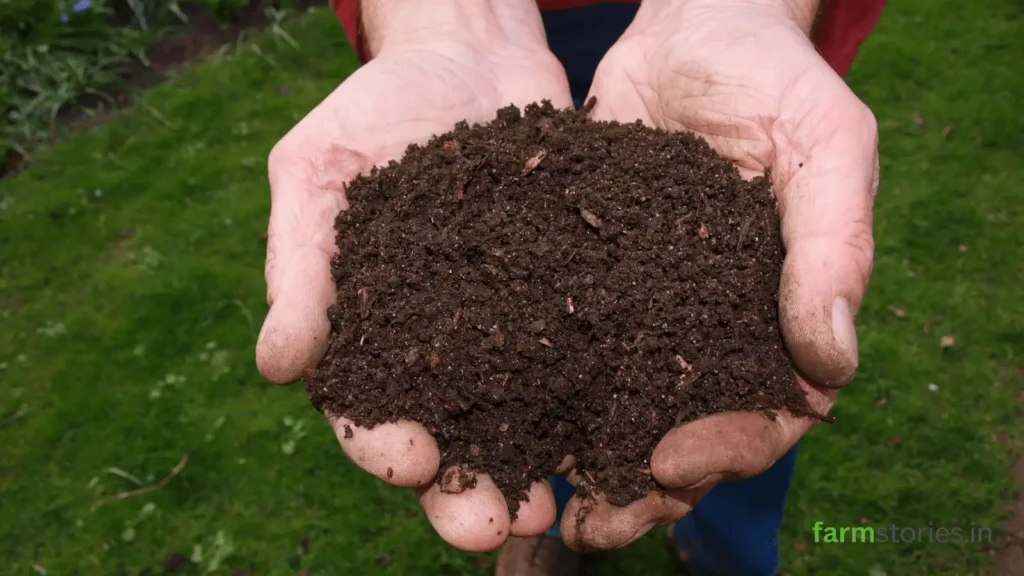
Organic matter is one of the most important indicators of healthy soil. It consists of decomposed plant residues, animal waste, compost, and other natural materials. Organic matter improves soil structure, increases water retention, and provides food for beneficial microorganisms.
Low organic matter often results in poor soil fertility, reduced microbial activity, and lower crop productivity.
2. Soil pH
Soil pH determines how easily plants can absorb nutrients. Most crops grow best in soil with a pH between 6.0 and 7.5, although some crops have different requirements.
If the soil is too acidic or too alkaline, plants may struggle to absorb nutrients even when they are present in sufficient amounts.
3. Soil Microorganisms
Healthy soil contains millions of bacteria, fungi, earthworms, and other beneficial organisms. These living organisms break down organic matter, recycle nutrients, improve soil structure, and protect plants from certain diseases.
Practices that increase organic matter generally encourage greater microbial activity.
4. Water Management
Both excessive and insufficient water can damage soil health.
Overwatering may cause nutrient leaching, waterlogging, and root diseases, while prolonged dry conditions reduce microbial activity and limit nutrient availability.
Efficient irrigation methods help maintain proper soil moisture without wasting water.
5. Soil Compaction
Heavy machinery, repeated tillage, and continuous foot traffic can compact the soil. Compacted soil restricts root growth, reduces air circulation, and limits water infiltration.
Reducing unnecessary traffic on fields and incorporating organic matter can help improve soil structure over time.
6. Erosion
Wind and water erosion remove the nutrient-rich topsoil that plants depend on. Once topsoil is lost, restoring soil fertility becomes difficult and expensive.
Practices such as cover cropping, mulching, and contour farming help reduce erosion.
Maintaining healthy soil requires consistent management rather than a single solution. The following practices improve soil fertility, increase biological activity, and support sustainable crop production.
1. Add Organic Matter Regularly
Adding organic materials is one of the most effective ways to improve soil health.
Examples include:
Compost
Farmyard manure
Vermicompost
Crop residues
Green manure
Organic matter improves soil structure, increases moisture retention, and provides a steady supply of nutrients.
Even fertile land can lose productivity if soil health is neglected. Identifying problems early allows farmers to take corrective measures before crop yields decline.
Soil Erosion
Heavy rainfall, strong winds, and improper land management can remove the nutrient-rich topsoil. Once lost, topsoil takes many years to regenerate naturally.
Prevention methods:
Grow cover crops
Apply mulch
Use contour farming on slopes
Plant windbreaks
Maintain vegetation around fields
Soil Compaction
Compacted soil limits root growth and reduces water infiltration.
Common causes include:
Heavy farm machinery
Repeated tillage
Grazing on wet fields
Continuous foot traffic
Adding organic matter and reducing unnecessary machinery use can gradually improve compacted soils.
Nutrient Depletion
Growing the same crop repeatedly without replenishing nutrients eventually exhausts the soil.
Signs include:
Yellowing leaves
Poor plant growth
Reduced crop yield
Weak root systems
Balanced fertilization, crop rotation, and regular soil testing help restore nutrient levels.
Low Organic Matter
Organic matter is essential for healthy soil. Low levels reduce water retention, microbial activity, and nutrient availability.
Investing in soil health delivers long-term benefits for farmers, gardeners, and the environment.
Higher Crop Yields
Healthy soil provides a steady supply of nutrients and supports stronger root systems, leading to improved plant growth and better harvests.
Better Water Retention
Organic matter acts like a sponge, helping soil hold moisture during dry periods. This reduces irrigation needs and improves drought tolerance.
Reduced Fertilizer Costs
Healthy soils recycle nutrients more efficiently. Farmers often need fewer fertilizer applications when soil biology is active and organic matter levels are high.
Improved Disease Resistance
Healthy plants growing in healthy soil are generally more resilient against pests and diseases.
Greater Environmental Sustainability
Good soil management helps reduce erosion, minimize nutrient runoff, increase carbon storage, and protect surrounding ecosystems.
Long-Term Farm Productivity
Unlike practices that provide only short-term results, soil health builds fertility over time, supporting sustainable agricultural production for future generations.
The Indian Council of Agricultural Research (ICAR) publishes research and technical guidance on soil fertility, nutrient management, and sustainable agricultural practices that support long-term productivity.
Soil Health Tips for Home Gardeners
Healthy soil is equally important in home gardens.
Simple practices include:
Add compost before every planting season.
Mulch around vegetables and flowers.
Avoid overwatering.
Rotate crops every season.
Grow cover crops during the off-season if space allows.
Minimize digging to preserve soil structure.
Feed the soil, not just the plants.
These practices improve vegetable production while reducing the need for synthetic fertilizers.
Soil health is the process of maintaining and improving the physical, chemical, and biological properties of soil to support healthy plant growth and sustainable agriculture.
Healthy soil supplies nutrients, stores water, supports beneficial microorganisms, and improves crop productivity while protecting the environment.
How can farmers improve soil health naturally?
Farmers can improve soil health by adding organic matter, practicing crop rotation, using cover crops, reducing excessive tillage, applying mulch, and conducting regular soil testing.
How often should soil be tested?
Testing agricultural soil every two to three years is recommended. More frequent testing may be beneficial for intensive farming or high-value crops.
Which fertilizer is best for improving soil health?
Organic fertilizers such as compost, vermicompost, and well-decomposed farmyard manure improve soil health by increasing organic matter and supporting beneficial microorganisms.
Yes. Healthy soil improves nutrient availability, root development, water retention, and microbial activity, all of which contribute to better crop growth and higher yields.
Soil health is the foundation of productive and sustainable agriculture. Healthy soil supports plant growth, improves nutrient availability, conserves water, and encourages beneficial microorganisms that keep farming systems productive over the long term.
Simple practices such as adding organic matter, rotating crops, reducing excessive tillage, applying mulch, and testing the soil regularly can significantly improve soil fertility. These methods not only increase crop yields but also reduce production costs and protect the environment.
Whether you are a commercial farmer, a home gardener, or just beginning your agricultural journey, investing in soil health today will lead to healthier crops and more resilient farming systems in the future.
Want to see these techniques in action? Join our growing community of urban farmers by following farmstories on LinkedIn, Instagram, YouTube, and Facebook for daily tips, video guides, and harvest inspiration!