Vermicomposting is one of the most effective ways to recycle organic waste while producing a nutrient-rich natural fertilizer for plants. By using earthworms to break down kitchen scraps, crop residues, and other biodegradable materials, this process creates vermicompost, a dark, crumbly material that improves soil fertility, enhances plant growth, and supports sustainable agriculture.
As interest in organic farming and environmentally friendly gardening continues to grow, vermicomposting has become a popular solution for farmers, gardeners, schools, and households. It reduces the amount of waste sent to landfills and converts everyday organic materials into a valuable resource for improving soil health.
Unlike traditional composting, which relies mainly on microorganisms, it uses specific species of earthworms that consume organic matter and produce nutrient-rich castings. These castings contain essential plant nutrients, beneficial microorganisms, and organic matter that help crops grow more effectively.
In this guide, you’ll learn what is it?, how it works, its benefits, the best earthworm species to use, step-by-step methods for making vermicompost, common mistakes to avoid, and practical tips for achieving the best results.
Quick Summary: Vermicomposting is the process of using earthworms to convert organic waste into nutrient-rich vermicompost. It improves soil fertility, supports healthy plant growth, reduces organic waste, and plays an important role in sustainable agriculture and home gardening.
What Is Vermicomposting?
It is a biological process in which selected earthworm species consume organic waste and convert it into nutrient-rich vermicompost, also known as worm castings. These castings contain valuable nutrients, beneficial microorganisms, enzymes, and organic matter that improve soil structure and plant growth.
Unlike ordinary compost, vermicompost is finer in texture, contains a diverse microbial population, and releases nutrients gradually, making them available to plants over an extended period.
The process can be carried out in farms, gardens, balconies, schools, apartments, and commercial composting units, making it suitable for both small-scale and large-scale applications.
Join a community dedicated to sustainable cultivation. Subscribe to FarmStories below for free, authentic insights into modern agri-tech and organic farming methods.
The Food and Agriculture Organization (FAO) recognizes organic waste recycling and sustainable soil management as important practices for improving soil health, conserving natural resources, and supporting sustainable agriculture.
Earthworms feed on partially decomposed organic materials. As the material passes through their digestive system, it is broken down into stable organic matter enriched with beneficial microorganisms and plant nutrients.
The finished product contains:
Organic matter
Nitrogen
Phosphorus
Potassium
Calcium
Magnesium
Beneficial microbes
Plant growth-promoting substances
Because nutrients are released gradually, plants can absorb them more efficiently while reducing nutrient losses.
Types of Earthworms Used?
Not all earthworms are suitable for composting. Certain surface-dwelling species are highly efficient at processing organic waste.
Earthworm Species
Common Use
Characteristics
Eisenia fetida (Red Wiggler)
Home and commercial composting
Fast breeding and excellent waste conversion
Eudrilus eugeniae (African Nightcrawler)
Warm climates
Produces high-quality vermicompost
Perionyx excavatus (Indian Blue Worm)
Tropical regions
Rapid decomposition of organic matter
These species thrive in moist organic materials and efficiently convert waste into high-quality vermicompost.
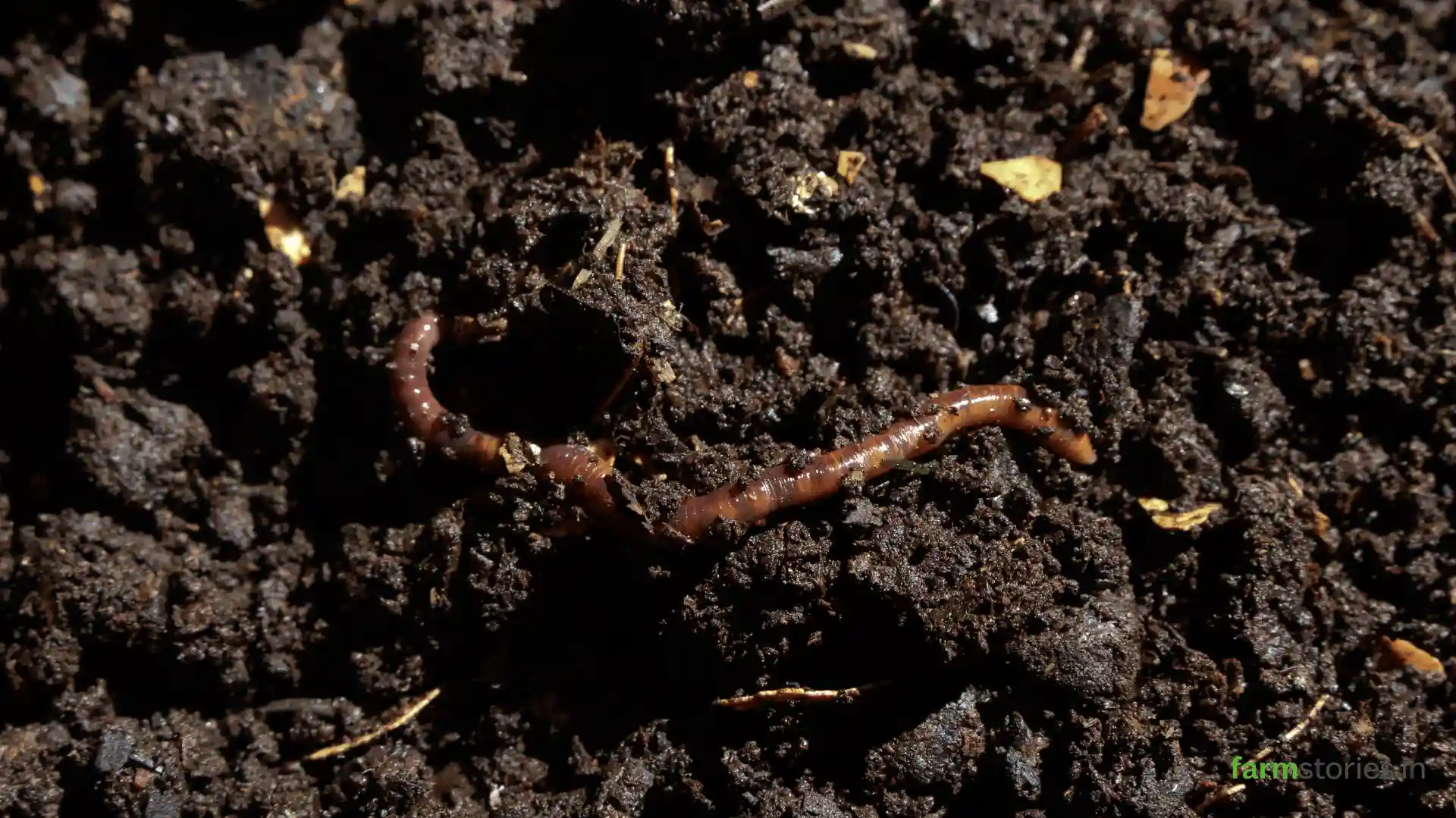
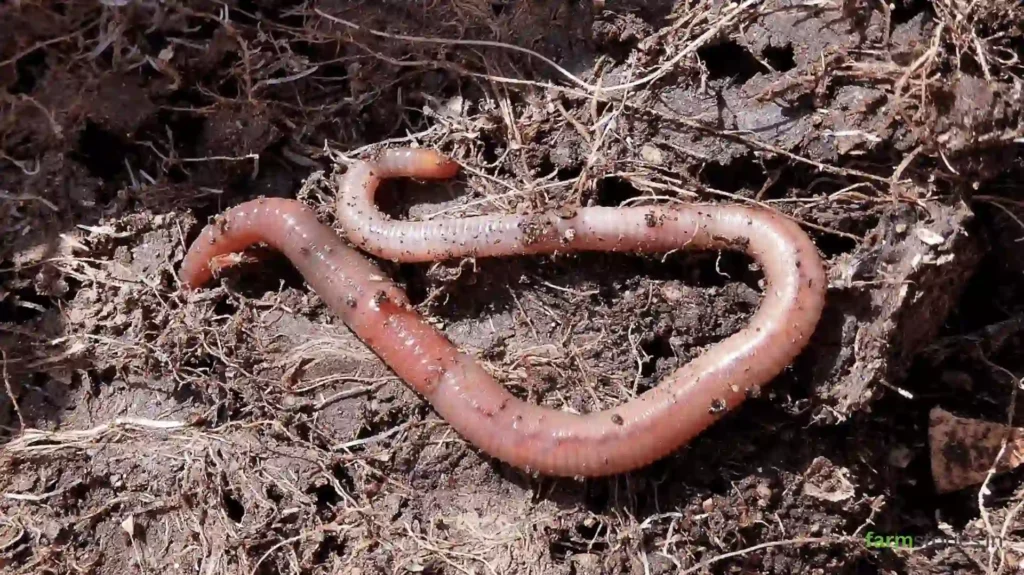
Earthworms transform organic waste into nutrient-rich vermicompost that improves soil fertility and supports healthy plant growth.
Why Vermicompost Is Important
It offers practical benefits for agriculture, gardening, and waste management.
A vermicomposting unit showing earthworms converting kitchen and garden waste into organic vermicompost for use in agriculture and home gardens.
Uses of Vermicompost in Agriculture
Vermicompost is suitable for almost every type of crop. It improves soil fertility, enhances microbial activity, and supplies nutrients gradually throughout the growing season.
It is widely used in:
Field crops
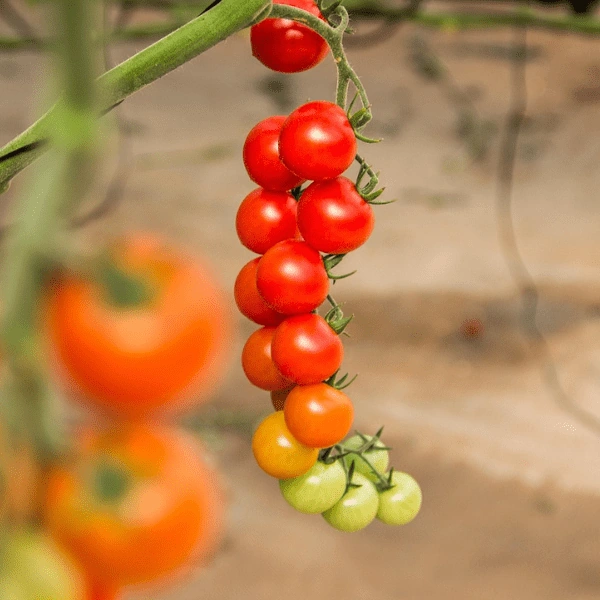
Vegetable farming
Fruit orchards
Flower gardens
Plantation crops
Kitchen gardens
Nurseries
Terrace gardens
Lawns and landscaping
Regular application helps improve both soil quality and plant health over time.
How to Apply Vermicompost
Applying vermicompost correctly ensures plants receive the maximum benefit.
Before Planting
Mix vermicompost thoroughly into the soil before sowing or transplanting.
This improves:
Soil structure
Nutrient availability
Root development
Water retention
Around Established Plants
Spread a thin layer around the base of the plant while keeping it a few centimetres away from the stem.
Water the area after application to help nutrients move into the root zone.
For Potted Plants
Mix vermicompost with the potting mix or apply a thin layer on the soil surface every few weeks during the growing season.
This helps maintain healthy foliage, flowers, and root growth.
Both products improve soil health, but they differ in how they are produced and their nutrient content.
Feature
Vermicompost
Traditional Compost
Production Method
Earthworms and microorganisms
Mainly microorganisms
Processing Time
45 to 90 days
2 to 6 months
Nutrient Availability
Higher and more readily available
Moderate
Microbial Activity
Very high
High
Texture
Fine and crumbly
Coarser
Odour
Earthy smell
Earthy smell when fully mature
Suitable For
Gardens, farms, nurseries, pots
Farms, gardens, landscaping
Environmental Benefits of Vermicomposting
This contributes to environmentally responsible waste management.
Major benefits include:
Reduces household organic waste.
Lowers the amount of waste sent to landfills.
Reduces methane emissions from decomposing waste.
Improves soil organic matter.
Supports biodiversity in the soil.
Reduces dependence on synthetic fertilizers.
Promotes sustainable agriculture.
Encourages recycling of biodegradable waste.
These benefits make vermicomposting an excellent practice for both rural and urban communities.
The Ministry of Agriculture & Farmers Welfare encourages sustainable nutrient management practices, including the use of organic manures and compost, to improve soil health and support long-term agricultural productivity.
Common Mistakes to Avoid
Many beginners experience problems because of simple mistakes.
Avoid the following:
Adding Too Much Food
Overfeeding creates unpleasant odours and attracts insects.
Feed small quantities regularly instead.
Allowing the Bin to Dry Out
Earthworms need moisture to survive.
Check the bedding frequently and sprinkle water when necessary.
Overwatering
Excess water reduces oxygen levels and may cause earthworms to die.
Always maintain moist, well-drained bedding.
Placing the Bin in Direct Sunlight
High temperatures can quickly overheat the compost.
Keep the bin in a shaded, cool location throughout the year.
Using Fresh Animal Manure
Fresh manure generates heat during decomposition.
Always use well-decomposed manure if adding it to the compost system.
Frequently Asked Questions
What is vermicomposting?
Vermicomposting is the process of using selected earthworm species to convert organic waste into nutrient-rich vermicompost that improves soil fertility and plant growth.
Which earthworms are best for vermicomposting?
Commonly used species include:
Red Wiggler (Eisenia fetida)
African Nightcrawler (Eudrilus eugeniae)
Indian Blue Worm (Perionyx excavatus)
These species reproduce quickly and efficiently process organic waste.
How long does vermicomposting take?
Depending on temperature, moisture, and the type of organic materials used, vermicompost is usually ready within 45 to 90 days.
Can vermicompost replace chemical fertilizers?
Vermicompost can reduce dependence on chemical fertilizers by improving soil fertility and nutrient availability. However, nutrient management should always be based on crop requirements and soil test results.
Is vermicomposting suitable for home gardens?
Yes. Vermicomposting is ideal for home gardens, balconies, terrace gardens, and kitchen gardens because it requires little space and helps recycle household organic waste.
Does vermicompost smell bad?
No. Properly maintained vermicompost has a pleasant, earthy smell. Bad odours usually indicate excess moisture, poor aeration, or too much food waste.
Can all kitchen waste be used?
No. Fruit and vegetable scraps are suitable, but meat, dairy products, oily foods, plastic, and chemically treated materials should be avoided.
Is vermicompost safe for vegetables?
Yes. Vermicompost is widely used in vegetable production because it naturally improves soil fertility and supports healthy plant growth.
Vermicomposting is an efficient and sustainable method of converting organic waste into a valuable soil amendment. By using earthworms to process biodegradable materials, farmers and gardeners can produce nutrient-rich vermicompost that improves soil structure, enhances nutrient availability, increases microbial activity, and supports healthy crop growth.
Whether you are managing a commercial farm, maintaining a home garden, or looking for an environmentally friendly way to recycle kitchen waste, vermicomposting offers a practical solution. When combined with composting, biofertilizers, and other sustainable farming practices, it helps build healthier soils and reduces dependence on synthetic fertilizers.
Starting a vermicomposting system requires minimal investment, but the long-term benefits for soil health, crop productivity, and waste reduction make it a worthwhile practice for every grower.
Want to see these techniques in action? Join our growing community of urban farmers by following farmstories on LinkedIn, Instagram, YouTube, and Facebook for daily tips, video guides, and harvest inspiration!