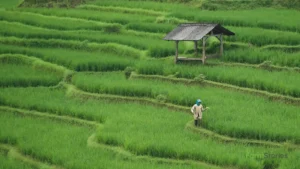
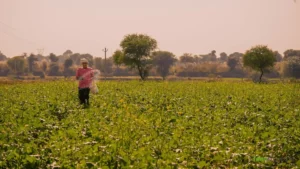
The monsoon season brings much-needed rainfall that supports crop growth, replenishes groundwater, and improves soil moisture. However, the same weather conditions also create an ideal environment for many plant diseases. High humidity, frequent rain, poor air circulation, and prolonged leaf wetness allow fungi, bacteria, and other pathogens to spread quickly.
Whether you grow vegetables in a home garden or manage a large farm, recognizing common plant diseases during monsoon at an early stage can save your crops from severe damage. Diseases that begin as small leaf spots or slight discoloration can spread rapidly if left untreated, reducing plant growth, yield, and produce quality.
Many crops grown during the rainy season, including tomato, chilli, brinjal, cucumber, paddy, banana, turmeric, ginger, and leafy vegetables, become more vulnerable to disease outbreaks. Early identification, proper field management, and preventive care are often more effective than trying to control a disease after it has spread.
This guide explains the most common plant diseases during monsoon, how to identify their symptoms, what causes them, practical prevention methods, and treatment options suitable for home gardeners and farmers alike.
Table of Contents
Why Are Plant Diseases More Common During Monsoon?
Plant diseases become more frequent during the rainy season because environmental conditions favor the growth and spread of disease-causing organisms. Warm temperatures combined with constant moisture create the perfect breeding ground for fungi and bacteria.
Several factors contribute to higher disease incidence during monsoon:
High humidity encourages fungal spores to germinate.
Continuous rainfall keeps leaves wet for long periods.
Water splashes spread pathogens from soil to healthy plants.
Poor drainage causes waterlogging and root stress.
Dense plant spacing reduces airflow and slows drying.
Cloudy weather limits sunlight, allowing moisture to remain on foliage.
These conditions make crops more susceptible to infections, especially when fields are overcrowded or poorly maintained.
How Monsoon Conditions Affect Crop Health
Different weather conditions during the rainy season affect plants in different ways.
Join a community dedicated to sustainable cultivation. Subscribe to FarmStories below for free, authentic insights into modern agri-tech and organic farming methods.
Monsoon Condition
Effect on Plants
High humidity
Promotes fungal and bacterial diseases
Continuous rainfall
Increases leaf wetness and infection risk
Waterlogged soil
Causes root rot and weak root systems
Poor air circulation
Slows drying of leaves and encourages disease spread
Warm temperatures
Speeds up pathogen growth and reproduction
Splashing rainwater
Transfers disease spores between plants
Understanding these conditions helps farmers take preventive measures before diseases become widespread.
Common Causes of Plant Diseases During Monsoon
While rainfall itself does not directly cause diseases, it creates favorable conditions for pathogens to multiply. Many disease outbreaks occur because of a combination of environmental and management factors.
The most common causes include:
1. Excess Moisture
Leaves that remain wet for several hours allow fungal spores to germinate and infect plant tissues.
2. Waterlogging
Poorly drained soil reduces oxygen around roots, weakening plants and making them more vulnerable to root diseases.
3. Contaminated Soil
Some fungi and bacteria survive in the soil for months or even years. Rainwater helps spread these pathogens throughout the field.
4. Infected Plant Debris
Diseased leaves, stems, and fruits left in the field become a source of infection for new crops.
Plants lacking essential nutrients often develop weaker natural defenses, making them more susceptible to infections.
Early Signs of Plant Diseases You Should Never Ignore
Early detection is one of the most effective ways to reduce crop losses. Farmers and gardeners should inspect their plants regularly, especially after several consecutive days of rainfall.
Watch for these warning signs:
Yellow or brown leaf spots
White, gray, or black fungal growth
Powdery coating on leaves
Water-soaked lesions
Wilting despite adequate soil moisture
Soft or rotten stems
Root decay
Premature leaf drop
Fruit rot
Slow or stunted growth
Inspect both the upper and lower surfaces of leaves because many diseases first appear underneath before spreading throughout the plant.
FarmStories Tip: Walk through your garden or field every morning during the monsoon. Early detection often allows you to remove infected leaves before the disease spreads to healthy plants.
Crops Most Affected During the Rainy Season
Almost every crop can develop diseases during prolonged wet weather, but some are particularly vulnerable.
Crop
Common Disease Risk
Tomato
Early blight, late blight, leaf spot
Chilli
Anthracnose, wilt, leaf curl complications
Brinjal
Phomopsis blight, bacterial wilt
Cucumber
Downy mildew, powdery mildew
Paddy
Blast disease, sheath blight
Banana
Sigatoka leaf spot, Panama disease
Ginger
Soft rot
Turmeric
Rhizome rot, leaf blotch
Okra
Powdery mildew, leaf spot
Leafy vegetables
Downy mildew, damping-off
Understanding which diseases commonly affect your crops allows you to monitor them more closely throughout the rainy season.
The rainy season creates ideal conditions for many plant diseases to spread rapidly. Most outbreaks begin with small symptoms that are easy to overlook. If left untreated, these diseases can affect the entire crop within days.
Understanding the symptoms, causes, and management practices for each disease helps you act quickly and reduce crop losses.
1. Early Blight
Early blight is one of the common plant diseases during monsoon that frequently affects tomato, potato, brinjal, and chilli. It is caused by the fungus Alternaria solani and thrives in warm, humid conditions.
Symptoms
Brown circular spots with concentric rings on older leaves
Yellowing around infected areas
Premature leaf drop
Dark lesions on stems
Reduced fruit production
Causes
High humidity
Frequent rainfall
Infected crop debris
Poor air circulation
Prevention
Maintain proper spacing between plants.
Water at the base instead of wetting the leaves.
Remove infected leaves immediately.
Practice crop rotation.
Use disease-free seeds and seedlings.
Treatment
Apply approved fungicides when symptoms first appear.
Use biofungicides containing Trichoderma species where suitable.
Destroy heavily infected plant material to prevent further spread.
2. Late Blight
Late blight is among the most destructive common plant diseases during monsoon, especially in tomatoes and potatoes. Under cool, wet conditions, it can spread across an entire field within a short period.
Symptoms
Large dark brown or black patches on leaves
White fungal growth on the underside of leaves during humid weather
Stem lesions
Fruit rot
Rapid plant collapse
Causes
Prolonged rainfall
High humidity
Cool temperatures
Poor field ventilation
Prevention
Improve air circulation.
Avoid overhead irrigation.
Remove infected plants promptly.
Monitor crops regularly during extended rainy periods.
Treatment
Spray recommended fungicides at the early stage of infection.
Dispose of infected plants away from cultivation areas.
Powdery mildew commonly affects cucumbers, pumpkins, beans, okra, roses, and many ornamental plants. Unlike many fungal diseases, it can spread even when leaves are not constantly wet, provided humidity remains high.
Symptoms
White powder-like coating on leaves
Curling leaves
Yellowing foliage
Reduced flowering
Poor fruit development
Causes
High humidity
Dense planting
Limited sunlight
Poor ventilation
Prevention
Prune overcrowded plants.
Ensure adequate sunlight reaches the foliage.
Maintain recommended spacing.
Remove infected leaves early.
Treatment
Apply sulfur-based fungicides where appropriate.
Use biological fungicides approved for your crop.
Continue monitoring until new growth remains disease-free.
4. Downy Mildew
Downy mildew spreads rapidly during periods of continuous rain and high humidity. It commonly affects cucumbers, gourds, grapes, onions, spinach, and leafy vegetables.
Symptoms
Yellow angular spots on leaves
Gray or purple fungal growth underneath leaves
Leaf curling
Premature leaf drop
Weak plant growth
Causes
Wet foliage
Cool, humid weather
Frequent rainfall
Poor drainage
Prevention
Avoid excessive irrigation.
Improve airflow around plants.
Remove infected leaves immediately.
Use resistant varieties whenever available.
Treatment
Apply suitable fungicides before severe infection develops.
Remove infected crop residue after harvest.
common plant diseases during monsoon.
5. Anthracnose
Anthracnose is another serious disease that becomes more active during the rainy season. It affects chilli, mango, beans, papaya, cucurbits, and several fruit crops.
Symptoms
Sunken dark lesions on fruits
Black spots on leaves
Stem cankers
Fruit cracking
Premature fruit drop
Causes
Continuous rainfall
High humidity
Infected planting material
Splashing rainwater
Prevention
Harvest fruits on time.
Improve field sanitation.
Remove infected fruits immediately.
Prune infected branches.
Treatment
Apply preventive fungicide sprays during prolonged wet weather.
Follow crop-specific recommendations for spray intervals.
6. Damping-Off Disease
Damping-off mainly affects seedlings and is one of the most frustrating common plant diseases during monsoon for nurseries and home gardeners.
Young seedlings may appear healthy one day and collapse the next.
Symptoms
Seedlings fail to emerge
Thin, water-soaked stem near the soil surface
Sudden collapse
Root decay
Causes
Waterlogged soil
Poor drainage
Overwatering
Contaminated nursery soil
Prevention
Use sterile growing media.
Avoid excessive watering.
Improve drainage.
Ensure adequate sunlight reaches seedlings.
Treatment
Remove infected seedlings immediately.
Apply biological soil treatments where recommended.
Disinfect seed trays before reuse.
7. Bacterial Leaf Spot
Bacterial leaf spot affects tomatoes, peppers, leafy vegetables, and many ornamental plants during humid weather.
Symptoms
Small water-soaked spots
Brown or black lesions
Yellow halos around spots
Leaf drop
Reduced plant vigor
Causes
Rain splash
Contaminated tools
Infected seeds
Warm, humid conditions
Prevention
Avoid working with wet plants.
Sanitize pruning tools regularly.
Use certified disease-free seeds.
Remove infected leaves promptly.
Treatment
Copper-based bactericides may help reduce disease spread.
Avoid overhead watering.
Rotate crops between growing seasons.
8. Root Rot
Root rot is one of the most damaging common plant diseases during monsoon because symptoms often appear only after significant root damage has occurred.
How to Prevent Common Plant Diseases During Monsoon
Preventing disease is far easier and more cost-effective than treating an infected crop. A few simple management practices can significantly reduce the risk of disease outbreaks during the rainy season.
1. Improve Field Drainage
Standing water creates ideal conditions for root diseases and fungal infections. Ensure excess rainwater drains away quickly by:
Creating drainage channels between rows.
Planting on raised beds where suitable.
Removing blockages from existing drains.
Avoiding low-lying areas that remain flooded.
Healthy roots are the foundation of disease-resistant plants.
2. Maintain Proper Plant Spacing
Overcrowded plants trap moisture and reduce airflow, allowing fungal spores to spread easily.
Benefits of proper spacing include:
Faster drying of leaves after rain.
Better sunlight penetration.
Reduced humidity around plants.
Easier inspection for disease symptoms.
Always follow the recommended spacing for each crop.
3. Water Plants Correctly
Although rainfall supplies most of the moisture during monsoon, supplemental irrigation may still be necessary in some situations.
Follow these practices:
Water only when needed.
Irrigate early in the morning.
Avoid wetting leaves whenever possible.
Stop irrigation if the soil is already saturated.
4. Remove Diseased Plant Parts
Never leave infected leaves, stems, or fruits in the field.
Instead:
Prune affected plant parts immediately.
Collect fallen leaves regularly.
Dispose of infected material safely.
Clean pruning tools after each use.
Good sanitation reduces the spread of disease-causing organisms.
5. Use Healthy Seeds and Seedlings
Many diseases begin with infected planting material.
Purchase seeds and seedlings from reliable sources and inspect them before planting for:
Leaf spots
Wilting
Mold
Stem discoloration
Poor root development
6. Improve Soil Health
Healthy soil supports beneficial microorganisms that naturally suppress many harmful pathogens.
You can improve soil health by:
Applying well-decomposed compost.
Using vermicompost.
Adding organic matter regularly.
Rotating crops.
Avoiding excessive chemical inputs.
Healthy soil often produces healthier, more disease-resistant plants.
Organic Methods to Manage Plant Diseases
Many gardeners and farmers prefer environmentally friendly disease management methods before considering chemical controls.
Some effective organic options include:
Organic Method
Purpose
Neem oil spray
Helps suppress several fungal diseases and some insect pests
Compost tea
Supports beneficial microorganisms on plant surfaces
Trichoderma-based biofungicides
Protect roots from soil-borne fungi
Bacillus-based biological products
Help manage certain fungal and bacterial diseases
Proper mulching
Reduces soil splash that spreads pathogens
Crop rotation
Breaks disease life cycles
Organic practices work best when combined with good field hygiene and regular monitoring.
Chemical fungicides should be used only when disease pressure becomes severe or when preventive measures alone cannot protect the crop.
Before applying any fungicide:
Correctly identify the disease.
Select a product approved for the crop and disease.
Follow the manufacturer’s label instructions.
Wear appropriate protective equipment.
Observe the recommended pre-harvest interval.
Rotate fungicide groups to reduce the risk of resistance.
Avoid unnecessary spraying, as overuse can lead to resistant pathogens and may affect beneficial organisms.
Monsoon Plant Health Checklist
Use this checklist throughout the rainy season to reduce the risk of common plant diseases during monsoon.
Task
Frequency
Inspect leaves for spots and discoloration
Every 2 to 3 days
Remove infected leaves and fruits
Immediately
Check drainage after heavy rain
After every rainfall
Clean garden tools
After each use
Remove weeds
Weekly
Apply organic compost if needed
As recommended for the crop
Monitor for insects that spread diseases
Weekly
Review crop condition and growth
Weekly
Regular observation helps detect problems before they become serious.
common plant diseases during monsoon season
Common Mistakes That Increase Disease Risk
Many disease outbreaks are linked to avoidable management mistakes.
Avoid these common errors:
Planting too closely together.
Allowing water to stand around roots.
Ignoring early disease symptoms.
Using infected seeds or seedlings.
Leaving diseased crop residue in the field.
Overwatering during rainy weather.
Applying fungicides without identifying the disease.
Reusing contaminated nursery trays without cleaning.
Correcting these practices can significantly reduce disease incidence.
Frequently Asked Questions
Which plant disease is most common during the monsoon?
Fungal diseases such as early blight, late blight, downy mildew, powdery mildew, and root rot are among the most common because they thrive in warm and humid conditions.
Why do fungal diseases spread faster during rainy weather?
Frequent rainfall, high humidity, and prolonged leaf wetness create ideal conditions for fungal spores to germinate and infect plants.
Can organic methods control plant diseases?
Yes. Good sanitation, crop rotation, healthy soil, neem oil, biofungicides, and proper drainage can help prevent and manage many diseases, especially when applied early.
Should infected leaves be composted?
Heavily infected leaves and plant parts should generally be removed from the growing area rather than added to a home compost pile, as some pathogens can survive if composting conditions are not hot enough.
How often should plants be inspected during the rainy season?
Inspect plants every two or three days during periods of continuous rainfall. Early detection greatly improves the chances of successful disease management.
The rainy season supports healthy crop growth, but it also increases the risk of disease outbreaks. Understanding common plant diseases during monsoon allows farmers and home gardeners to identify problems early, apply the right preventive measures, and protect their plants before serious damage occurs.
Simple practices such as improving drainage, maintaining proper plant spacing, removing infected plant material, and building healthy soil can greatly reduce disease pressure. Regular monitoring throughout the season is equally important, as many diseases spread quickly under humid conditions.
By combining good cultivation practices with timely treatment when necessary, you can maintain healthier crops, improve yields, and reduce unnecessary losses during the monsoon.
Learn more about integrated pest management from the Food and Agriculture Organization (FAO) to understand sustainable approaches for preventing and managing plant diseases.
Key Takeaways
High humidity and continuous rainfall encourage fungal and bacterial diseases.
Early detection is the best defense against major crop losses.
Proper drainage and good airflow reduce disease pressure.
Healthy soil improves plant resilience.
Organic and biological methods can effectively support disease management.
Chemical fungicides should be used responsibly and only when necessary.
Want to see these techniques in action? Join our growing community of urban farmers by following farmstories on LinkedIn, Instagram, YouTube, and Facebook for daily tips, video guides, and harvest inspiration!