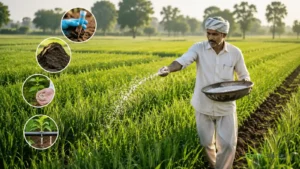
Shifting from synthetic chemical inputs to organic cultivation requires a deep understanding of soil biology. Finding the best organic manure for plant growth is not simply about replacing chemical compounds with natural ones; it is about building a living, self-sustaining soil ecosystem. When you introduce high-quality organic matter into your garden or farm, you supply essential macro nutrients while radically improving soil structure, moisture retention, and microbial activity. Understanding how these inputs interact with your soil matrix is the first step in identifying the best organic manure for plant growth.
For growers managing high-yielding summer crops and kitchen gardens, choosing the right biological input determines how well plants handle environmental stress, resist root pathogens, and sustain long-term fruit production.
Evaluating the Top Organic Manures
Not all organic inputs are created equal. Different sources of manure offer varying ratios of Nitrogen (N), Phosphorus (P), and Potassium (K), along with distinct rates of decomposition. To select the best organic manure for plant growth tailored to your specific crops, you must evaluate their nutritional profiles and structural benefits. Analyzing these biological properties helps growers determine the best organic manure for plant growth based on their specific crop requirements.
1. Vermicompost (Worm Castings)
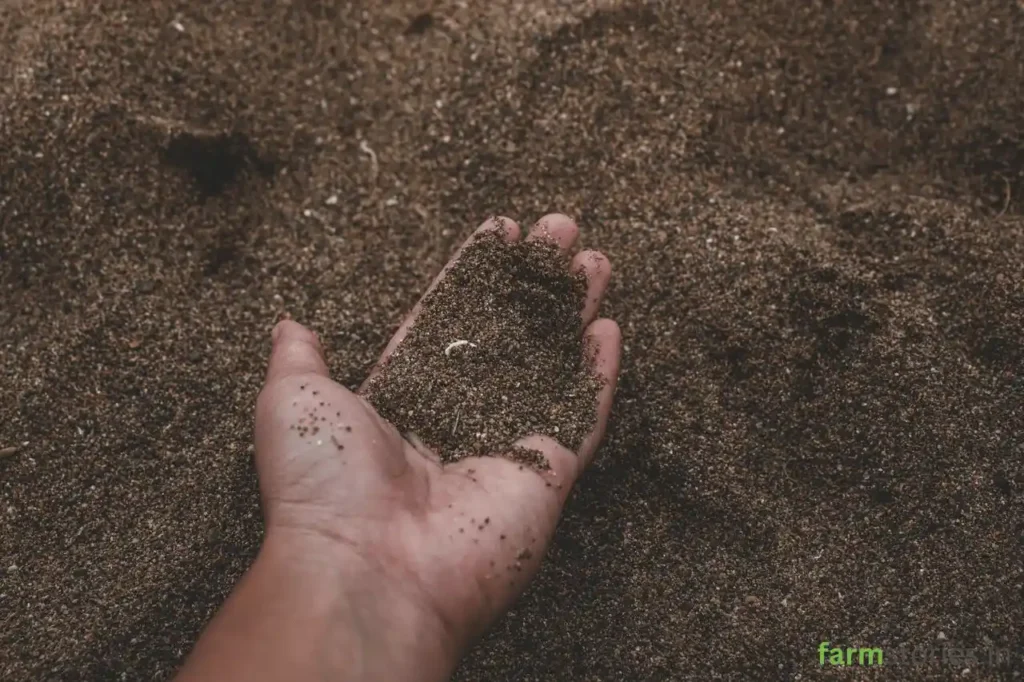
Vermicompost is widely considered the gold standard for container gardening and intensive vegetable cultivation. Because it has already been broken down by earthworms, the nutrients are highly bioavailable, meaning plants can absorb them almost instantly. It is rich in beneficial microbes and humic acids, which stimulate rapid root branching and enhance stress tolerance. For delicate root systems, its gentle nutrient release profile makes it a top contender for the best organic manure for plant growth.
2. Aged Cow Dung Manure
A classic backbone of traditional agriculture, fully decomposed cow dung is exceptional for improving soil texture. It acts as a slow-release fertilizer that feeds the soil over several months. It is critical to ensure that cow dung is aged for at least six months to prevent high ammonia levels from burning delicate root systems and to kill off any weed seeds. When properly composted, it remains a highly dependable, cost-effective choice as the best organic manure for plant growth.
3. Poultry Manure (Chicken Litter)
Poultry manure is a highly concentrated source of nitrogen, making it excellent for leafy green crops and heavy feeders during their early vegetative growth stage. Because of its high potency, it must be used sparingly and composted thoroughly to prevent nutrient burn and soil acidification. For nitrogen-loving crops, this high-potency input is often regarded as the best organic manure for plant growth during early growth stages.
NPK and Micro-Nutrient Comparison
To maximize your yield, it helps to understand exactly what each input contributes to the soil matrix. The table below outlines the typical characteristics of the top biological inputs to help you identify the best organic manure for plant growth based on your specific garden milestones.
Nutritional Profiles of Primary Organic Inputs
Manure Type
Relative NPK Strength
Release Rate
Primary Structural Benefit
Best Used For
Vermicompost
Balanced / Mild
Rapid to Moderate
Maximizes microbial population and root aeration
Seedlings, container potting mixes, and direct top-dressing
Aged Cow Dung
Balanced / Low
Slow (Long-term)
Moderates soil texture and increases water-holding capacity
Ground preparation, fruit trees, and building crop beds
Poultry Litter
High Nitrogen / High Phosphorus
Moderate
Drives aggressive vegetative canopy development
Leafy greens, brassicas, and initial vegetative stages
🌱 Feeding the Soil: Adding a handful of nutrient-rich vermicompost directly to the root zone gives your plants an instant microbial boost and protects them from summer heat stress.
Strategic Application: Avoiding Nutrient Lockout
Even when utilizing the best organic manure for plant growth, application methods dictate success. Organic nutrients must be broken down by soil microorganisms before roots can absorb them. Even when you have sourced the best organic manure for plant growth, improper soil management can prevent plants from absorbing it.
Join a community dedicated to sustainable cultivation. Subscribe to FarmStories below for free, authentic insights into modern agri-tech and organic farming methods.
Maintain Aeration: Soil microbes require oxygen to convert organic matter into plant-available ions. Always integrate organic inputs into a well-aerated potting mix rather than compacted, heavy clay soils.
Avoid Fresh Applications: Never apply uncomposted, raw manure directly to growing plants. The resulting intense heat from rapid microbial decomposition will destroy root hairs and induce severe nutrient lockout.
By selecting and combining these inputs strategically, you establish an optimal growing medium that sustains vigorous health from seed to harvest. Consistently feeding your soil with the best organic manure for plant growth ensures long-term sustainability and abundant seasonal harvests.
Want to see these techniques in action? Join our growing community of urban farmers by following farmstories.in on LinkedIn, Instagram, YouTube, and Facebook for daily tips, video guides, and harvest inspiration!