The global agricultural landscape is undergoing a monumental paradigm shift. According to a comprehensive study by Precedence Research, the global agriculture equipment market size is valued at USD 124.77 billion in 2025 and is projected to scale to a staggering USD 197.84 billion by 2035, growing at a steady compound annual growth rate (CAGR) of 4.72%.
While advanced economies in North America and Europe traditionally lead this space, the Asia-Pacific region—spearheaded by India and China—is recognized as the fastest-growing market. For a country like India, where more than half of the population relies heavily on agriculture, this market expansion is not just an industrial statistic. It represents a profound lifestyle transformation for millions of Indian farmers.
1. Shifting from Backbreaking Labour to Dignified Operations
Historically, Indian farming has been synonymous with intense, manual, and backbreaking physical labour. The Precedence Research report highlights that while the manual segment still held a major market share globally in 2025 due to developing economies, a rapid transition to automated and semi-automatic systems is underway.
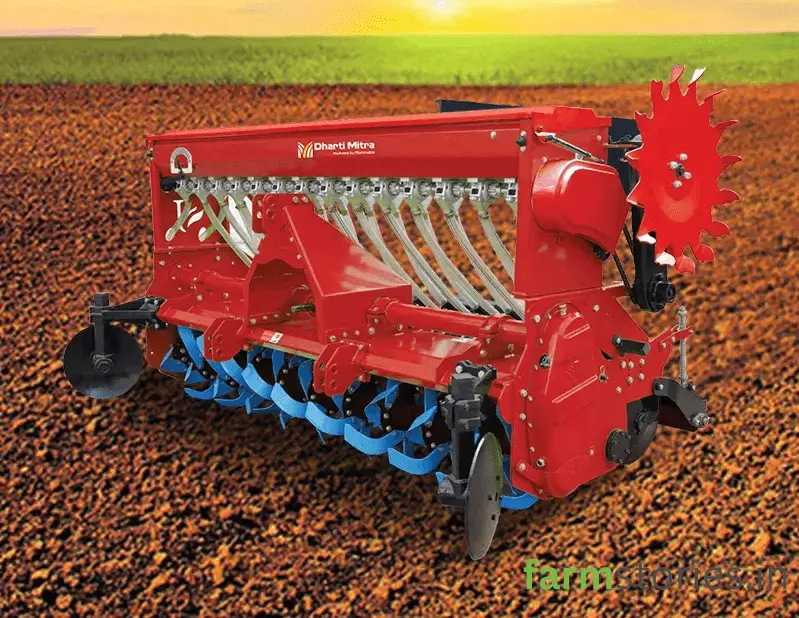
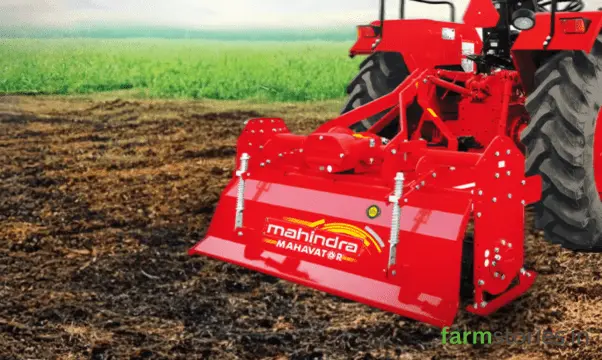
The introduction of modern agriculture equipment—such as multi-crop harvesters, power tillers, and advanced laser-guided land levelers—is drastically reducing physical drudgery. Tasks that previously required weeks of manual sweat, such as tilling hard monsoon soil or manual weeding, can now be executed in a matter of hours. This reduction in physical exhaustion has a direct, positive correlation with the health, life expectancy, and overall well-being of the rural farming community, giving them time to focus on strategic business operations or familial life.
2. Eradicating Rural Labour Shortages and Boosting Efficiency
One of the key market drivers identified in the global report is the urgent need to combat physical labor shortages and rising labor wages. In India, a major socioeconomic shift has been occurring as rural youth migrate to urban centers in search of alternative employment, leaving farm owners facing acute labor deficits during critical sowing and harvesting windows.
Modern machinery solves this operational bottleneck. Mechanized solutions ensure that crucial windows for land preparation and planting are never missed. By optimizing operational efficiency, farmers can manage larger tracts of land with minimal manual intervention, transforming farming from a volatile hand-to-mouth survival mechanism into a predictable, structured business model.
3. Enhancing Yield and Income Security Through Precision Tools
The Precedence Research report identifies “Land & Development” and “Plant Protection” as highly dominant and fast-growing application segments within the market. This is particularly crucial for India, where fragmented landholdings and climate vulnerabilities often threaten crop stability.
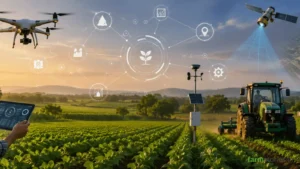
With precision agriculture equipment—including GPS-guided tractors, automated crop processing units, and specialized drone sprayers—Indian farmers can practice targeted farming. Instead of blindly broadcasting expensive fertilizers and chemical pesticides, they apply inputs with surgical precision.
Join a community dedicated to sustainable cultivation. Subscribe to FarmStories below for free, authentic insights into modern agri-tech and organic farming methods.
Resource Optimization: Reduces chemical waste by up to 30-40%.
Input Cost Reductions: Saves significant money on seeds, water, and fuel.
Higher Yield Volumes: Maximizes output per hectare, translating directly into a more robust financial safety net and a higher quality of life.
4. Mitigating Climate Vulnerability via Next-Gen Automation
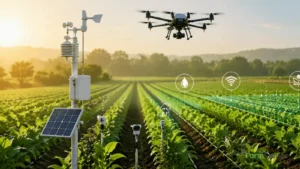
Climate change brings unpredictable monsoons and unseasonal heatwaves to the Indian subcontinent. The market report shines a spotlight on the newest emerging trends, such as the inclination towards electric autonomous machinery and real-time IoT monitoring capabilities.
Advanced irrigation and crop processing equipment allow Indian farmers to shield their crops from sudden environmental shifts. Micro-irrigation systems ensure optimal moisture distribution even during dry spells, while rapid-harvesting machinery allows farmers to secure their mature yields before an incoming unseasonal storm destroys the crop. This predictability builds immense psychological relief, replacing existential anxiety with economic stability.
This resilient infrastructure highlights how a tech-forward agriculture equipment market serves as a vital shield against environmental unpredictability. By turning climate-vulnerable fields into controlled, data-driven ecosystems, modern tools ensure that a farmer’s livelihood is no longer at the mercy of sudden weather anomalies.
5. Drastic Reductions in Post-Harvest Losses
A critical yet overlooked aspect of the agriculture equipment market value chain is post-harvest handling and cold-chain logistics. India has historically suffered massive economic leaks due to poor storage and sluggish transport, leading to the spoilage of fresh produce before it reaches urban markets.
The modernization of post-harvest agro-processing machinery and mobile cold-storage infrastructure ensures that fruits, vegetables, and grains maintain their structural and nutritional integrity. As Indian farmers adopt these mechanized post-harvest solutions, their spoilage rates plummet. They are no longer forced into distress sales to local middlemen; instead, they can command premium prices in competitive markets, dramatically improving household disposable income.
A Tech-Driven Blueprint for Rural Prosperity
The sustained upward trajectory of the global agriculture equipment market makes it completely clear that technology is the ultimate equalizer in modern food production. For India’s vast agricultural sector, welcoming advanced machinery is no longer a luxury—it is an economic necessity.
As Indian farmers move away from traditional, primitive tools and invest in the modern solutions offered by the evolving agriculture equipment market, they unlock a renewed standard of living. This wave of mechanization effectively bridges the rural-urban economic divide, creating a sustainable, tech-driven future where farming is respected as a proud, highly profitable, and dignified profession.
Want to see these techniques in action? Join our growing community of urban farmers by following farmstories on LinkedIn, Instagram, YouTube, and Facebook for daily tips, video guides, and harvest inspiration!