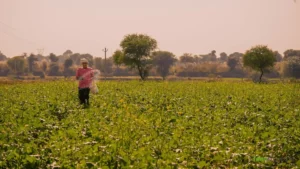
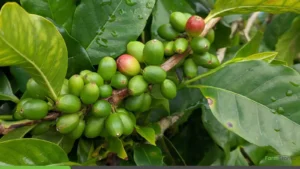
The survival of modern food systems is deeply linked to the historic secrets buried within our ancestral farmlands. As climate volatility induces unprecedented droughts and severe topsoil erosion across the subcontinent, modern agricultural frameworks are hitting a breaking point. To counter this ecological decline, a quiet revolution is taking shape by looking backward. Embracing traditional, time-tested regenerative agriculture practices in India offers a permanent blueprint to restore soil microbiology, enhance moisture retention capacities, and ensure chemical-free food security for generations to come.
For millennia, Indian farming was fundamentally restorative, functioning as a holistic circle of nutrient exchange. However, the intensive chemical inputs popularized over the last several decades have structurally disrupted these natural cycles, resulting in compacted soils and depleted water tables. By returning to heritage soil preservation philosophies and scaling up regenerative agriculture practices in India, today’s growers can revive the land’s innate capacity to heal itself, ensuring sustainable cultivation yields without relying on artificial components.
1. The Sacred Architecture of Vedic Soil Bio-Inoculants
At the center of ancestral Indian soil management is the rejection of synthetic inputs in favor of living, farm-sourced biological catalysts. When studying the implementation of regenerative agriculture practices in India, these systems do not feed the plant directly; instead, they awaken the sleeping microbial network within the topsoil matrix.
Jeevamrutham / Jivamrita : Jeevamrut is a masterful fluid ferment combining fresh local indigenous cow dung, aged urine, unrefined jaggery, organic pulse flour, and a handful of undisturbed, virgin forest topsoil. Fermented over several days in partial shade, this mixture acts as a dense microbial engine. Incorporating Jeevamrutham into the standard routine of regenerative agriculture practices in India prompts a rapid multiplication of beneficial soil bacteria and mycorrhizal fungi, which unlock fixed phosphorus and trace minerals for plant root absorption.
Bijamrita : Heritage seed preservation begins before sowing. Bijamrita is an organic seed coating composed of cow dung, urine, lime, and local soil. Coating native heirloom seeds in this blend creates an active biological shield that repels destructive seed-borne blights and early fungal root-rot pathogens without stalling natural seedling emergence.
The Core Metric of Heritage Soil Transformation
Recent action-based agronomic studies conducted across water-scarce smallholdings demonstrate that applying foundational, ancestral biological soil treatments can scale water holding metrics significantly. On average, implementing indigenous regenerative agriculture practices in India elevates overall soil moisture retention thresholds by up to Mw=40% compared to standard chemical-treated baseline plots. This provides crops with a critical natural hydration buffer during prolonged dry spells.
2. Safeguarding the Earth: Zero-Tillage and Heritage Mulching
In traditional Indian land stewardship, leaving the topsoil naked or over-plowing it is viewed as a structural failure. Conservation of soil structure is primary to maintaining natural subterranean water loops under regenerative agriculture practices in India.
Achhadana (Traditional Crop Residue Mulching): Achhadana involves covering all open soil surfaces with a thick protective layer of dry straw, leaf litter, or live cover crops. This technique prevents direct solar radiation from baking the ground, reduces evaporation losses, keeps the root zone cool, and suppresses invasive weed seeds. Over time, this biomass naturally decays into pure humus, dramatically lifting organic carbon indices.
The Shift to Ancestral Zero-Tillage: Repeated intensive mechanical tillage tears apart delicate underground networks of fungal hyphae and accelerates the oxidation of organic carbon. Embracing a zero-tillage approach means seeds are sown directly into undisturbed soil residues, leaving the earth’s natural architecture intact to accumulate organic mass and naturally combat structural compaction.
3. The Canopy Blueprint: Multi-Tier Agroforestry
Mirroring the structural layout of ancient tropical forest systems, traditional Indian polyculture relies on vertical stacking to optimize resource capture. This methodology is perfectly preserved in the classic homesteads of Kerala, known historically as the Adukkalathottam or kitchen-garden framework, and forms a key pillar of regenerative agriculture practices in India.
Canopy Layer
Representative Crop Varieties
Value in Regenerative Agriculture Practices in India
Overstory (Top Layer)
Tall Coconut Palms, Areca Nut, Mango
Breaks intense wind, filters direct solar radiation
Understory (Mid Layer)
Black Pepper Vines, Vanilla, Cocoa, Papaya
Optimizes vertical solar space, utilizes vertical supports
Ground & Rhizosphere
Ginger, Turmeric, Arrowroot, Tapioca
Secures topsoil, exploits distinct deep-root soil zones
This multi-tiered layering ensures that plants never compete directly for nutrients or sunlight. Instead, deep-rooted perennials draw up trace minerals from deep subterranean basements, shedding leaf litter that naturally fertilizes shallow-rooted vegetable crops growing at ground level, showcasing how structural loops elevate regenerative agriculture practices in India.
4. Natural Crop Protection via Botanical Ecology
Traditional regenerative agriculture practices in India do not aim to completely eradicate insects; rather, they seek to maintain a balanced field ecology where destructive pest surges are kept in check by natural biological balances.
Join a community dedicated to sustainable cultivation. Subscribe to FarmStories below for free, authentic insights into modern agri-tech and organic farming methods.
Dashaparni Arka : To ward off severe pest outbreaks without harming beneficial pollinators, ancestral farmers developed Dashaparni Arka. This highly potent liquid is prepared by fermenting the leaves of ten specific indigenous bitter and medicinal botanical species—including Neem (Arakku), Calotropis, Papaya, and Castor—in an organic liquid base. The resulting extract operates as an exceptionally effective anti-feedant and natural insect repellent, proving how effectively regenerative agriculture practices in India keep crop fields healthy without introducing chemical residues into the human food chain.
Reclaiming Our Agrarian Legacy
Modern intensive farming has treated the earth as a static substrate, requiring continuous injections of synthetic inputs to produce a yield. Heritage agricultural methods prove that the soil is a living entity that thrives on symbiotic care. By re-adopting traditional regenerative agriculture practices in India, we can restore structural biodiversity, lock moisture inside thirsty topsoils, and build a highly resilient, independent agricultural model capable of navigating modern climate challenges. True forward progress for our food systems requires us to honor and protect the agrarian heritage and long-term regenerative agriculture practices in India that kept the subcontinent fertile for thousands of years.
Want to see these techniques in action? Join our growing community of urban farmers by following farmstories on Instagram, YouTube, and Facebook for daily tips, video guides, and harvest inspiration!