Organic Pest Control Methods for Home Gardens help you protect vegetables, herbs, flowers, and fruit plants without relying on synthetic pesticides. By using natural solutions such as neem oil, companion planting, beneficial insects, and homemade sprays, you can manage common garden pests while keeping your soil healthy and your harvest safe to eat.
Many gardeners reach for chemical pesticides as soon as they notice insects on their plants. While these products may provide quick results, they can also harm pollinators, beneficial insects, and the natural balance of your garden.
I’ve found that the healthiest home gardens aren’t the ones with no insects at all. Instead, they’re the gardens where pests are kept under control naturally. A few aphids or caterpillars are normal. The goal is to prevent serious damage rather than eliminate every insect.
Whether you grow vegetables in a backyard, terrace, balcony, or containers, learning organic pest control methods for home gardens will help you build a healthier and more productive garden throughout the year.
Table of Contents
Why Choose Organic Pest Control Methods for Home Gardens?
Organic pest control is about working with nature rather than against it. Instead of killing every insect, the focus is on creating a healthy environment where plants can thrive and natural predators help keep pest populations under control.
Compared with synthetic pesticides, organic methods offer several advantages:
Safer for children and pets.
Protect beneficial insects such as ladybirds and lacewings.
Reduce chemical residues on vegetables and herbs.
Improve long-term soil health.
Lower the risk of pesticide resistance.
Support biodiversity in your garden.
When combined with good gardening practices, these methods are often just as effective as chemical solutions for most home gardens.
Join a community dedicated to sustainable cultivation. Subscribe to FarmStories below for free, authentic insights into modern agri-tech and organic farming methods.
Common Garden Pests in India
Before choosing a control method, it’s important to identify the pest correctly. Different insects require different approaches.
Some of the most common pests found in Indian home gardens include:
Aphids
Whiteflies
Mealybugs
Spider mites
Thrips
Caterpillars
Fruit borers
Leaf miners
Snails and slugs
Red pumpkin beetles
Many of these pests become more active during warm and humid weather, particularly during the monsoon season.
Natural Ways to Prevent Pest Problems
Prevention is always easier than treatment.
Healthy plants naturally resist pest attacks better than weak or stressed plants.
Start by improving your soil with compost or well-rotted organic manure. Healthy soil supports strong root development, which leads to healthier plants.
Avoid overcrowding. Proper spacing improves airflow and reduces humidity around leaves, making it harder for fungal diseases and pests to spread.
Water plants early in the morning instead of late evening. This allows foliage to dry quickly and reduces the risk of disease.
Regularly inspect both sides of leaves. Early detection is one of the simplest and most effective forms of organic pest control.
Organic Pest Control Methods for Home Gardens
Once pests appear, act quickly. Small infestations are much easier to control than large ones. The following methods are safe, practical, and suitable for most home gardens across India.
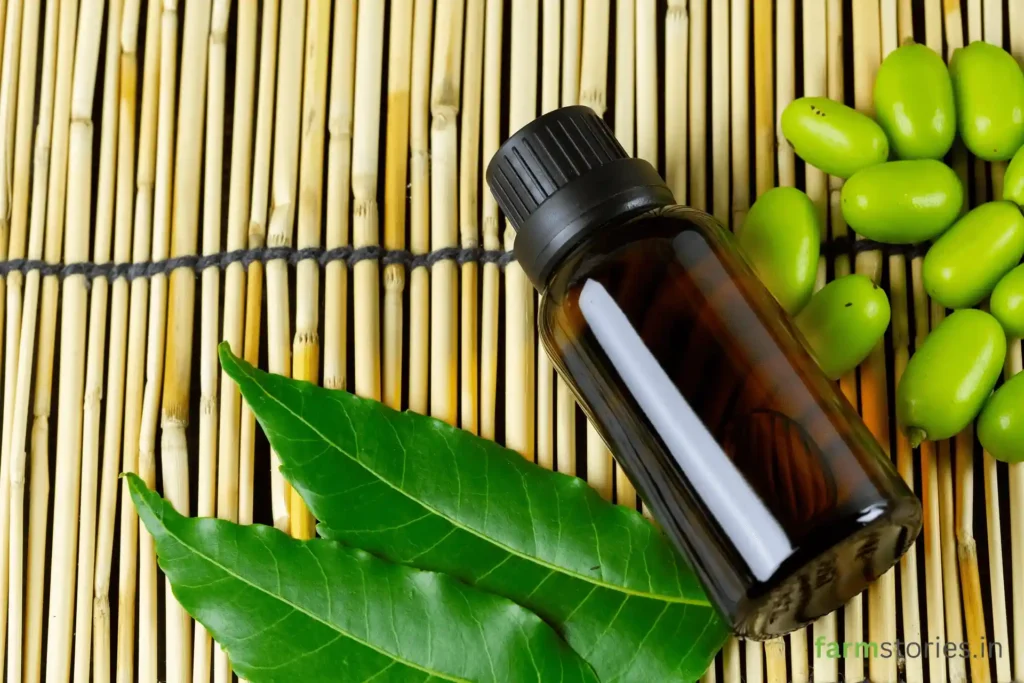
Neem oil is one of the most trusted organic pest control solutions. Extracted from neem seeds, it disrupts the life cycle of many soft-bodied insects without harming plants when used correctly.
Neem oil works well against:
Aphids
Whiteflies
Mealybugs
Spider mites
Thrips
Young caterpillars
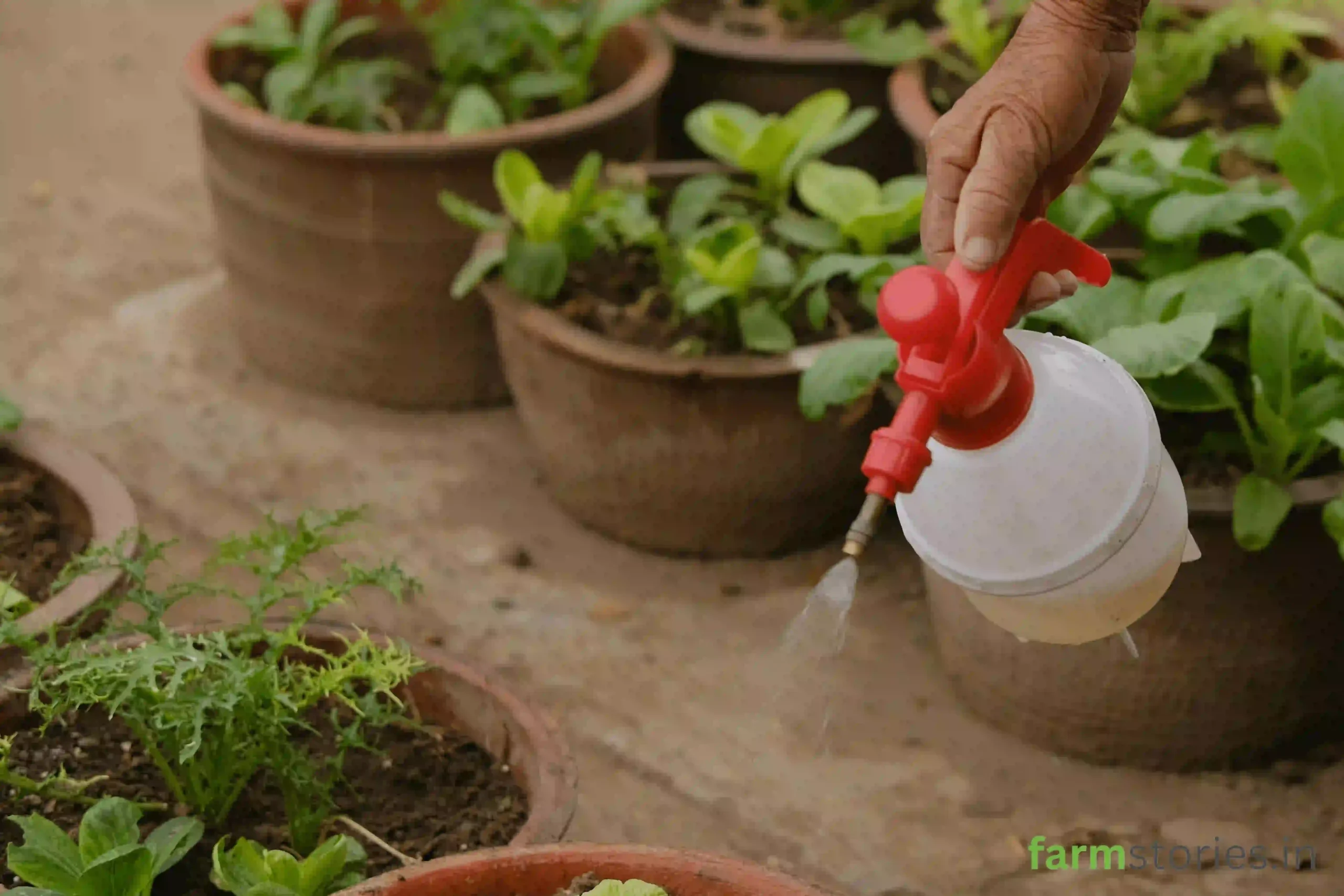
Mix 5 ml of cold-pressed neem oil with 1 litre of water and add a few drops of mild liquid soap to help it mix evenly. Spray both the upper and lower surfaces of leaves during the early morning or late evening. Avoid spraying during the hottest part of the day to prevent leaf burn.
Repeat every 7 to 10 days if necessary.
Organic Pest Control Methods for Home Gardens
2. Garlic and Chilli Spray
Garlic and chilli contain natural compounds that repel many chewing and sucking insects.
Blend:
10 garlic cloves
3 green chillies
1 litre of water
Allow the mixture to sit overnight, strain it, and spray it on affected plants.
This homemade spray works best as a repellent rather than a complete treatment. Test it on a small section of the plant before spraying the entire crop.
3. Soap Spray
A simple soap solution is effective against soft-bodied pests such as aphids and whiteflies.
Mix one teaspoon of mild liquid soap in one litre of water.
Spray directly onto the insects rather than the entire plant. After a few hours, rinse the leaves with clean water to prevent soap residue from building up.
Never use detergent powder or strong household cleaners, as they can damage plant tissue.
4. Hand Picking
Large pests like caterpillars, beetles, and snails can often be removed by hand.
This may seem time-consuming, but in a small home garden, it’s one of the quickest and safest control methods.
Inspect plants every morning, especially after rain, when snails and caterpillars are more active.
5. Sticky Traps
Yellow sticky traps attract flying pests such as whiteflies, aphids, and leaf miners.
Blue sticky traps are particularly effective for thrips.
Place traps slightly above plant height and replace them when they become covered with insects or dust.
Sticky traps help monitor pest populations as well as reduce their numbers.
Beneficial Insects Every Gardener Should Know
Not every insect is harmful. In fact, some insects actively protect your garden by feeding on common pests.
Ladybirds
Both adult ladybirds and their larvae consume large numbers of aphids every day.
Lacewings
Lacewing larvae feed on aphids, mealybugs, whiteflies, and mites.
Hoverflies
Adult hoverflies pollinate flowers, while their larvae eat aphids.
Praying Mantises
These predators feed on caterpillars, grasshoppers, beetles, and other insects.
Avoid broad-spectrum pesticides if you want these helpful insects to remain in your garden.
Companion Planting for Natural Pest Control
Certain plants naturally discourage pests or attract beneficial insects.
Some useful combinations include:
Companion Plant
Helps Protect
Marigold
Tomatoes, brinjal, chilli
Basil
Tomatoes
Coriander
Cabbage, cauliflower
Mint
Cabbage and leafy vegetables
Nasturtium
Cucumbers and beans
Marigolds are especially popular because they attract pollinators while helping reduce some soil pests.
Plants That Naturally Repel Pests
Growing aromatic herbs around your vegetable beds provides another layer of protection.
Good choices include:
Tulsi (Holy Basil)
Mint
Lemongrass
Rosemary
Lavender (cooler regions)
Curry leaf
Citronella grass
These plants won’t eliminate pests entirely, but they can help reduce infestations while increasing biodiversity.
Common Mistakes to Avoid
Many gardeners unintentionally make pest problems worse.
One common mistake is spraying organic solutions too frequently. Even natural products should only be used when needed.
Another mistake is treating every insect as harmful. Bees, butterflies, dragonflies, and ladybirds are valuable visitors that support your garden.
Overwatering is another issue. Constantly wet soil encourages fungal diseases and attracts pests such as fungus gnats.
Finally, don’t wait until plants are heavily damaged before taking action. Weekly inspections can prevent most serious infestations.
Organic Pest Control Methods for Home Gardens
Expert Tips
Rotate vegetable crops every season.
Keep weeds under control, as they often shelter pests.
Remove heavily infected leaves immediately.
Clean pruning tools regularly.
Encourage birds by placing a small water source in the garden.
Maintain healthy soil with compost instead of excessive fertilizer.
Mix flowering plants with vegetables to attract beneficial insects.
Observe your plants every few days rather than waiting for visible damage.
Healthy gardens rely more on prevention than treatment.
Frequently Asked Questions
Which organic pesticide is best for home gardens?
Neem oil is one of the most effective and widely used organic pest control solutions for home gardens in India.
Can organic pest control completely eliminate insects?
No. Organic gardening aims to maintain a healthy balance rather than eliminate every insect.
Usually every 7 to 10 days during active infestations. Avoid spraying during bright afternoon sunlight.
Is soap spray safe for vegetables?
Yes, when prepared correctly with mild liquid soap and applied in moderation.
Which plants naturally repel pests?
Marigold, basil, mint, tulsi, lemongrass, and coriander are commonly grown to discourage certain insects.
Can I combine different organic pest control methods?
Yes. Combining healthy soil, companion planting, neem oil, beneficial insects, and regular inspection usually provides the best long-term results.
Are organic sprays safe for pollinators?
Most organic sprays are safer than synthetic pesticides, but they should still be applied during early morning or evening when bees and butterflies are less active.
Using organic pest control methods for home gardens helps you grow healthier vegetables while protecting pollinators, beneficial insects, and soil life. Instead of depending on synthetic pesticides, simple practices such as neem oil sprays, companion planting, healthy soil management, and regular monitoring can keep most pest problems under control.
Every garden is different. What works for one may need slight adjustments for another depending on climate, crops, and local pest pressure. Start with preventive measures, observe your plants closely, and use natural treatments only when necessary. Over time, you’ll build a healthier, more resilient garden that’s productive and environmentally friendly.
Want to see these techniques in action? Join our growing community of urban farmers by following farmstories on LinkedIn, Instagram, YouTube, and Facebook for daily tips, video guides, and harvest inspiration!