The best vegetables to grow in rainy season in India are those that thrive in warm temperatures, high humidity, and regular rainfall. For many home gardeners and farmers, the arrival of the southwest monsoon marks the beginning of one of the most productive growing seasons of the year. When managed properly, monsoon gardening can deliver healthy harvests with less dependence on irrigation.
But growing vegetables during the rainy season isn’t simply about sowing seeds and waiting for nature to do the work. Excess rain can cause waterlogging, fungal diseases, nutrient loss, and pest outbreaks if the garden isn’t prepared correctly.
I’ve noticed that many beginners blame the weather when their vegetables fail. In reality, the problem is often poor drainage or selecting crops that aren’t suited to the season. A few simple changes can make a remarkable difference in plant health and yield.
Whether you have a backyard, terrace garden, balcony containers, or a small farm, choosing the right crops is the first step toward a successful monsoon harvest.
Table of Contents
Why the Rainy Season Is Ideal for Growing Vegetables
India’s rainy season generally begins in June and continues until September, although the exact timing varies across regions. During this period, temperatures remain warm while rainfall replenishes soil moisture, creating excellent conditions for many vegetable crops.
Rainwater also contains dissolved nitrogen compounds formed during lightning activity. While the amount isn’t enough to replace fertilizer, it provides a small natural boost that supports healthy plant growth.
The rainy season offers several advantages:
Reduced irrigation requirements.
Faster seed germination.
Vigorous leaf growth.
Lower water costs.
Better soil moisture retention.
Longer growing periods for many climbers and leafy vegetables.
However, success depends on maintaining proper drainage. Waterlogged soil prevents roots from receiving oxygen, leading to root rot and poor growth.
Join a community dedicated to sustainable cultivation. Subscribe to FarmStories below for free, authentic insights into modern agri-tech and organic farming methods.
If you’re preparing a kitchen garden, raised beds or large containers with drainage holes can significantly improve results during heavy rains.
1. Okra (Lady’s Finger)
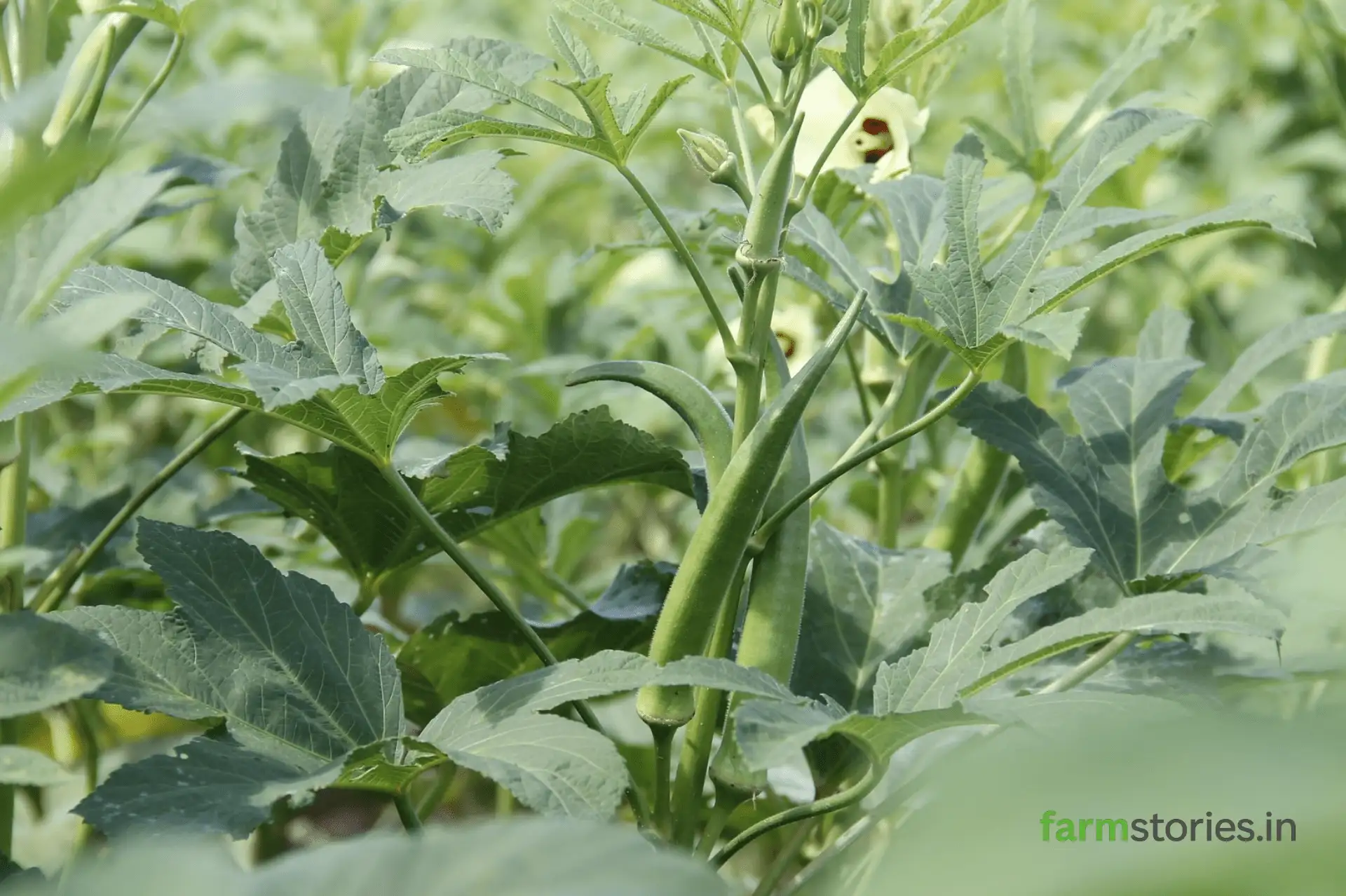
Okra is one of the most reliable vegetables to grow during the Indian monsoon. It grows quickly, tolerates humid conditions, and begins producing pods within 45 to 60 days.
Choose a sunny location that receives at least six hours of direct sunlight daily. Sow seeds about 2 cm deep in loose, fertile soil enriched with compost.
Harvest pods while they are young and tender. Delaying harvest reduces quality because mature pods become fibrous.
Growing Tips
Full sunlight
Well-drained loamy soil
Moderate compost application
Harvest every two to three days
2. Cucumber
Cucumber grows exceptionally well during the rainy season when supported on trellises. Vertical growing improves air circulation, reduces fungal infections, and keeps fruits cleaner.
You might wonder whether cucumbers need daily watering during the monsoon. In most regions, rainfall provides sufficient moisture. Water only when the soil begins to dry.
Adding organic mulch around the base helps reduce soil splashing, which can spread fungal diseases.
3. Bottle Gourd
Bottle gourd is a vigorous climber that performs remarkably well in warm, humid weather.
Provide a sturdy support structure soon after planting because healthy vines grow rapidly. Regular harvesting encourages continuous fruit production throughout the season.
Mix well-decomposed compost into the soil before sowing to improve nutrient availability.
4. Bitter Gourd
Bitter gourd is valued not only for its distinctive taste but also for its nutritional benefits. It tolerates rainy conditions well when grown on raised beds with adequate drainage.
The vines require strong trellises to maximize sunlight exposure and improve airflow.
Regular pruning of excessive side shoots can improve fruit quality and reduce disease pressure.
5. Ridge Gourd
Ridge gourd thrives in warm monsoon weather and produces high yields when given enough space to climb.
Healthy vines often begin flowering within five to six weeks after sowing. Harvest fruits while they remain tender for the best flavour and texture.
Adding compost every three to four weeks supports continuous production.
6. Sponge Gourd
Sponge gourd grows rapidly once the monsoon is established.
Although it tolerates heavy rainfall, prolonged standing water can damage the roots. Raised beds remain one of the simplest ways to avoid this problem.
Young fruits are ideal for cooking, while mature fruits can later be dried and used as natural bath sponges.
7. Pumpkin
Pumpkin requires more growing space than most vegetables, making it suitable for larger gardens or farms.
Its extensive root system benefits from deep, fertile soil rich in organic matter.
Allow vines to spread naturally or guide them along strong supports if space is limited.
Large leaves help suppress weeds by shading the soil, reducing maintenance throughout the growing season.
Seeds germinate quickly in moist soil, and harvesting can begin within four to six weeks.
Instead of pulling entire plants, harvest only the outer leaves. This allows continuous production over several weeks.
Avoid excessive nitrogen fertilizer because it promotes soft growth that attracts pests.
9. Amaranth
Amaranth is one of the easiest leafy vegetables to grow during the monsoon. It germinates quickly, grows vigorously, and can be harvested several times in a season. Both green and red amaranth varieties are widely grown across India.
Sow seeds directly in loose, fertile soil and keep enough spacing between plants to improve airflow. Dense planting may encourage fungal diseases during periods of continuous rain.
Harvest young leaves when they are about 20 to 25 cm tall. Regular harvesting encourages fresh growth and extends the production period.
Growing Tips
Prefers full to partial sunlight.
Harvest every 10 to 15 days.
Apply compost after each major harvest.
Avoid waterlogged soil.
10. Radish
Radish isn’t usually associated with the monsoon, but several early-maturing varieties perform well during the rainy season, especially in regions with moderate rainfall.
Loose soil is essential for straight, healthy roots. Heavy clay soil can cause misshapen or forked radishes.
Harvest on time. Leaving radishes in the soil for too long often results in woody, pungent roots.
Growing Tips
Loose sandy loam soil.
Consistent moisture.
Harvest within 30 to 45 days.
Thin seedlings for better root development.
Best Vegetables to Grow in Rainy Season in India – Cowpea
11. Cowpea
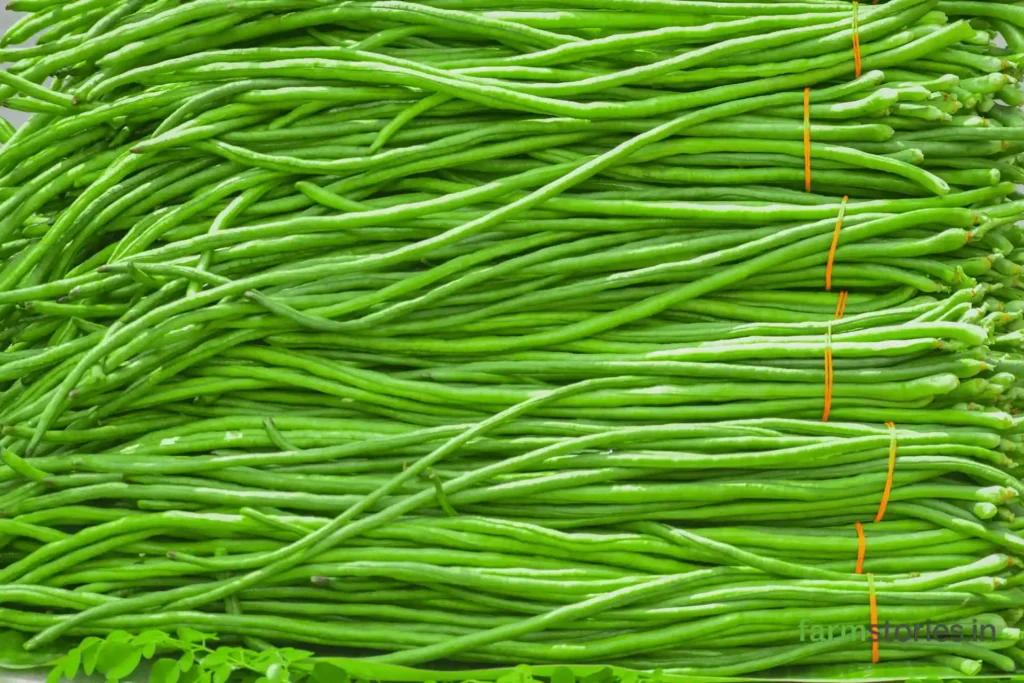
Cowpea is a dependable rainy season vegetable that tolerates heat and humidity well. Besides producing nutritious pods, it also enriches the soil by fixing atmospheric nitrogen.
This makes cowpea an excellent companion crop in home gardens and small farms.
Pick pods while they are still tender. Frequent harvesting encourages continuous flowering.
Growing Tips
Full sunlight.
Moderate watering.
Support climbing varieties.
Harvest regularly.
12. Cluster Beans (Guar)
Cluster beans are well adapted to warm weather and moderate rainfall. They’re valued for both their edible pods and their ability to improve soil fertility.
Avoid overwatering, especially if rainfall has been consistent. Excess moisture can reduce plant vigor.
The tender pods are best harvested before they become fibrous.
13. Green Chilli
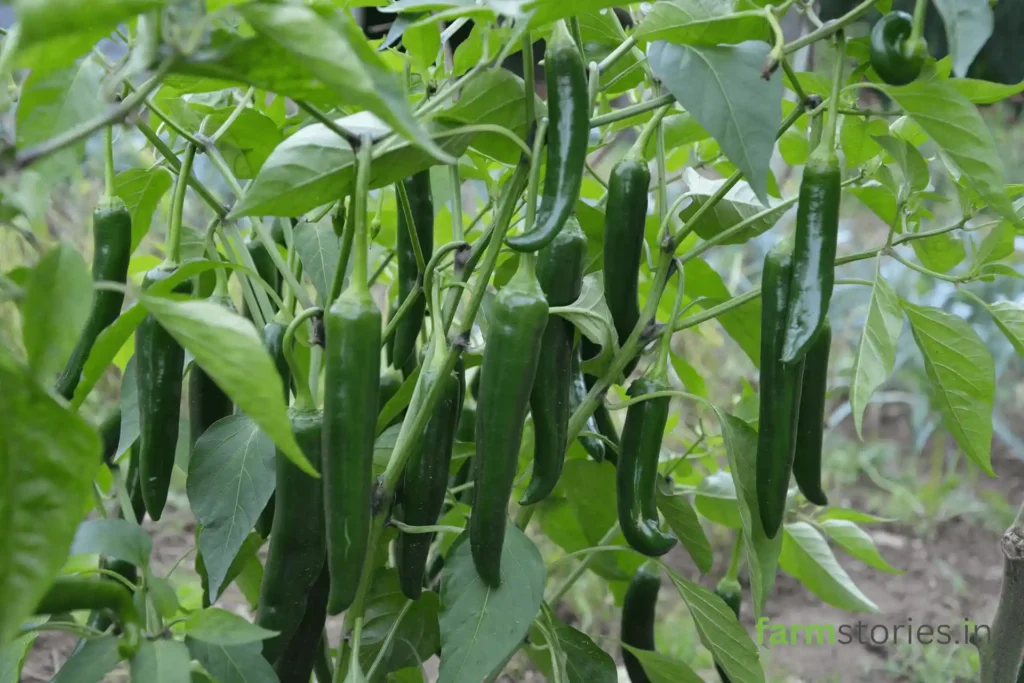
Green chilli plants establish well during the rainy season if planted in raised beds or containers with excellent drainage.
Waterlogging is one of the biggest reasons chilli plants fail during the monsoon. If heavy rain is expected, ensure excess water drains away quickly.
Adding mulch around the plants helps reduce soil splashing and limits fungal infections.
Growing Tips
Six to eight hours of sunlight.
Well-drained soil.
Organic mulch.
Harvest regularly to promote new flowering.
14. Brinjal (Eggplant)
Brinjal is a favourite in Indian kitchens and performs well during the monsoon with proper care.
Young seedlings are sensitive to excessive rainfall, so raised beds provide better growing conditions. Once established, the plants produce continuously for several months.
Regular pruning of damaged leaves improves air circulation and reduces disease pressure.
Growing Tips
Rich organic soil.
Full sunlight.
Stake taller plants.
Remove infected leaves promptly.
15. Coriander
Coriander is a fast-growing herb that fits easily into kitchen gardens, balconies, and container gardens.
Instead of sowing all the seeds at once, sow small batches every two weeks. This simple practice ensures a steady supply of fresh leaves throughout the season.
Harvest leaves before the plants begin flowering for the best flavour.
Choosing the Right Variety for Your Region
Although these vegetables are suitable across much of India, local climate conditions still matter.
For example, gardeners in areas with very heavy rainfall should prioritize raised beds and disease-resistant varieties. In regions with moderate rainfall, direct sowing in well-drained soil is usually sufficient.
Buying certified seeds from reputable suppliers also improves germination rates and reduces the risk of seed-borne diseases.
Selecting varieties suited to your local climate often produces better yields than simply choosing the most popular cultivar.
Mix in well-decomposed compost or farmyard manure. Organic matter improves drainage while helping the soil retain enough moisture during dry spells between rains.
If your garden tends to collect water after heavy showers, create raised beds about 15 to 20 cm high. This simple step greatly reduces the risk of root rot.
Avoid using fresh manure just before sowing. It can burn young roots and encourage unwanted pests.
Essential Care Tips for a Productive Monsoon Garden
Growing vegetables during the rainy season requires a slightly different approach than summer gardening.
Inspect your plants every few days. Early signs of yellowing leaves, fungal spots, or insect damage are much easier to manage before they spread.
Support climbing vegetables such as bottle gourd, ridge gourd, sponge gourd, cucumber, and bitter gourd with sturdy trellises. Better air circulation helps reduce disease.
Mulching with dry leaves, straw, or coco peat helps prevent soil erosion and minimizes weed growth.
Apply compost or vermicompost every three to four weeks to replace nutrients washed away by heavy rainfall.
Common Problems During the Rainy Season
Even the best vegetables to grow in rainy season in India can face challenges if weather conditions become extreme.
Water-logging
Standing water prevents roots from absorbing oxygen and often leads to root rot.
Solution: Use raised beds and improve drainage.
Fungal Diseases
Powdery mildew, leaf spot, and damping-off become common during periods of high humidity.
Solution: Maintain plant spacing, remove infected leaves, and avoid wetting foliage while watering.
Pest Attacks
Aphids, fruit borers, caterpillars, and snails become more active during the monsoon.
Solution: Inspect plants regularly and use neem oil or other recommended organic pest control methods when necessary.
Nutrient Loss
Heavy rainfall can wash nutrients below the root zone.
Solution: Apply compost or balanced organic fertilizer at regular intervals.
Common Mistakes to Avoid
Many gardening failures during the monsoon can be traced back to a few common mistakes.
One of the biggest is choosing the wrong planting location. Areas where rainwater collects are unsuitable for most vegetables.
Another mistake is overcrowding plants. Good spacing improves airflow and reduces fungal diseases.
Some gardeners also continue watering every day even after heavy rainfall. Before watering, check the soil with your finger. If the top few centimetres are still moist, wait another day.
Finally, don’t ignore early signs of pests or disease. Small problems can quickly spread during warm, humid weather.
Expert Tips for Better Harvests
Choose certified seeds from trusted suppliers.
Rotate crops each season to reduce pest and disease build-up.
Grow flowering plants such as marigold nearby to attract pollinators.
Harvest vegetables regularly to encourage continuous production.
Keep the garden free from fallen leaves and diseased plant material.
Install simple bamboo or wire trellises before vines begin spreading.
These small practices often make a noticeable difference in both yield and plant health.
Frequently Asked Questions
Which vegetable grows fastest during the rainy season?
Spinach, amaranth, and radish are among the quickest crops, often ready for harvest within four to six weeks.
Can I grow vegetables in pots during the rainy season?
Yes. Containers work well as long as they have adequate drainage holes and are placed where they receive enough sunlight.
Which vegetables tolerate heavy rainfall best?
Okra, bottle gourd, ridge gourd, bitter gourd, cowpea, and pumpkin generally perform well when grown in well-drained soil.
Should vegetables be watered every day during the monsoon?
Not always. Check the soil first. Overwatering can be more harmful than underwatering during the rainy season.
Is compost enough for monsoon vegetables?
Compost provides a strong foundation, but additional balanced organic nutrition during the growing season helps replace nutrients lost through heavy rainfall.
What is the biggest challenge in monsoon gardening?
Poor drainage is usually the biggest issue. Preventing waterlogging greatly improves plant health and reduces disease problems.
Choosing the best vegetables to grow in rainy season in India allows you to make the most of the monsoon while producing fresh, nutritious food for your family. Crops such as okra, gourds, spinach, cowpea, brinjal, coriander, and chillies naturally thrive in warm, humid conditions when grown in healthy, well-drained soil.
Success during the rainy season isn’t just about selecting the right vegetables. Preparing the soil, ensuring proper drainage, monitoring pests, and harvesting regularly all contribute to a productive garden.
Whether you’re growing vegetables in a backyard, on a terrace, or in containers, the monsoon offers an excellent opportunity to enjoy a rewarding harvest with relatively low irrigation needs. Start with a few reliable crops, observe how they perform in your local climate, and build your garden from there.
Want to see these techniques in action? Join our growing community of urban farmers by following farmstories on LinkedIn, Instagram, YouTube, and Facebook for daily tips, video guides, and harvest inspiration!