Types of organic fertilizers play a vital role in improving soil health, supporting healthy plant growth, and promoting sustainable farming. From compost and farmyard manure to vermicompost and biofertilizers, each type provides unique nutrients and benefits for different crops and soil conditions.
As more farmers and gardeners shift toward natural growing methods, understanding the different types of organic fertilizers has become increasingly important. Unlike synthetic fertilizers that deliver nutrients quickly, organic fertilizers release them gradually, improve soil structure, and encourage beneficial microorganisms that help plants thrive.
Whether you manage a large farm, maintain a kitchen garden, or grow vegetables in containers, choosing the right organic fertilizer can make a noticeable difference in crop yield and soil fertility. This guide explains the major types of organic fertilizers, their benefits, uses, and practical tips to help you select the best option for your farming or gardening needs.
Table of Contents
What Are Organic Fertilizers?
Organic fertilizers are natural substances derived from plant materials, animal waste, or naturally occurring minerals. They provide essential nutrients such as nitrogen (N), phosphorus (P), and potassium (K) while improving the biological activity and physical condition of the soil.
Unlike chemical fertilizers, organic fertilizers depend on soil microorganisms to break down organic matter and release nutrients gradually. This slow-release process provides plants with a steady nutrient supply while reducing nutrient loss through leaching.
Common sources of organic fertilizers include:
Compost
Farmyard manure (FYM)
Vermicompost
Green manure
Poultry manure
Bone meal
Fish emulsion
Neem cake
Seaweed fertilizer
Biofertilizers
These materials not only nourish plants but also increase organic matter in the soil, improving aeration, moisture retention, and microbial diversity.
Why Are Organic Fertilizers Important?
Healthy soil is the foundation of productive agriculture. Continuous use of chemical fertilizers without replenishing organic matter can gradually reduce soil fertility, affect soil structure, and limit microbial activity.
Join a community dedicated to sustainable cultivation. Subscribe to FarmStories below for free, authentic insights into modern agri-tech and organic farming methods.
Organic fertilizers help restore soil health by:
Increasing organic matter content
Supporting beneficial soil microorganisms
Improving soil structure and aeration
Enhancing water-holding capacity
Reducing soil erosion
Providing slow and balanced nutrient release
Promoting sustainable farming practices
These benefits make organic fertilizers an excellent choice for vegetable gardens, fruit orchards, field crops, ornamental plants, and organic farming systems.
How Organic Fertilizers Work
Organic fertilizers do not feed plants immediately after application. Instead, naturally occurring bacteria, fungi, and other soil microorganisms decompose the organic materials into forms that plant roots can absorb.
This natural process offers several advantages:
Nutrients become available over an extended period.
Plants receive a balanced nutrient supply.
The risk of fertilizer burn is much lower.
Soil fertility improves with repeated applications.
Microbial activity increases, creating a healthier growing environment.
Although they act more slowly than synthetic fertilizers, organic fertilizers contribute to sustainable crop production by improving both plant nutrition and soil quality over time.
Types of Organic Fertilizers
Organic fertilizers come in many forms, each offering unique benefits depending on the crop, soil condition, and nutrient requirements. Some improve soil structure, while others provide specific nutrients that support healthy plant growth.
Compost is one of the most widely used organic fertilizers. It is produced by decomposing kitchen waste, garden clippings, leaves, crop residues, and other biodegradable materials.
Compost supplies a balanced range of nutrients and significantly improves soil texture and moisture retention. It also encourages beneficial microorganisms that naturally support plant health.
Best for:
Vegetable gardens
Fruit trees
Flowering plants
Kitchen gardens
Field crops
Benefits
Improves soil fertility
Increases water retention
Enhances microbial activity
Reduces household organic waste
Suitable for almost all plants
2. Farmyard Manure (FYM)
Farmyard manure consists of decomposed cattle dung, urine, bedding materials, and farm waste. It has been used in agriculture for centuries and remains one of the most reliable organic fertilizers.
Although its nutrient content is lower than many commercial fertilizers, it greatly improves soil structure and supports long-term fertility.
Best for:
Paddy fields
Vegetable cultivation
Fruit orchards
Coconut plantations
General farming
Benefits
Adds organic matter
Improves soil aeration
Encourages earthworm activity
Supports long-term soil health
Different types of organic fertilizers commonly used to improve soil fertility and promote healthy plant growth.
3. Vermicompost
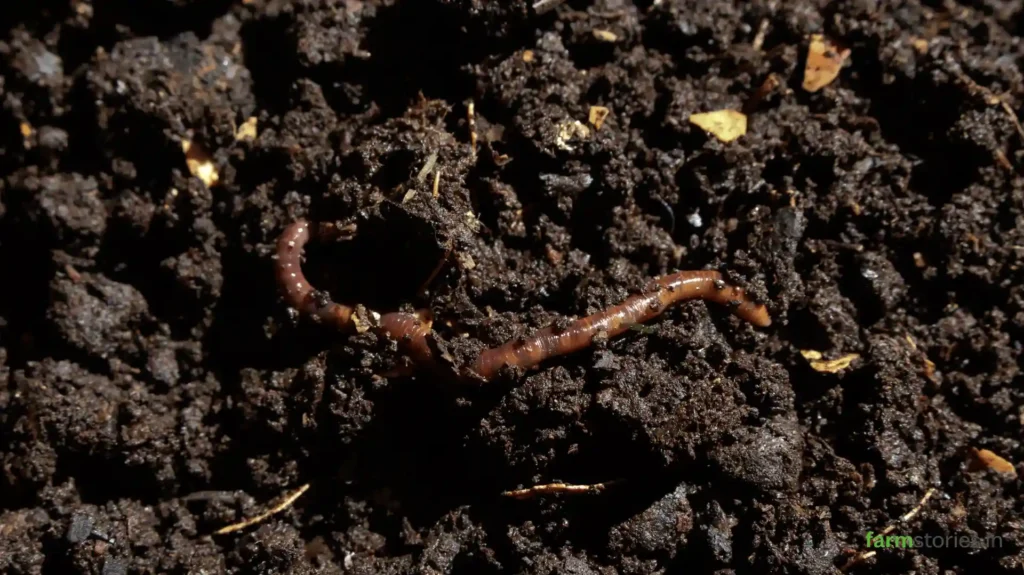
Vermicompost is produced by earthworms that break down organic waste into nutrient-rich castings. It contains readily available nutrients, beneficial microbes, and plant growth-promoting compounds.
Many gardeners prefer vermicompost because it improves seed germination and promotes vigorous root development.
Green manure involves growing specific crops, such as sunhemp, dhaincha, or cowpea, and incorporating them into the soil before they mature.
As these plants decompose, they add organic matter and nutrients, especially nitrogen, making the soil more fertile for the next crop.
Best for:
Rice cultivation
Vegetable farming
Organic farming systems
Large agricultural fields
Benefits
Naturally fixes nitrogen
Improves soil structure
Reduces erosion
Increases organic carbon
Suppresses weeds
5. Poultry Manure
Poultry manure is produced from chickens, ducks, and other poultry birds. It is one of the richest natural sources of nitrogen among organic fertilizers.
Since fresh poultry manure can be too strong, it should be composted before use to avoid damaging plant roots.
Best for:
Leafy vegetables
Maize
Banana
Sugarcane
Fast-growing crops
Benefits
High nitrogen content
Encourages leafy growth
Improves crop productivity
Builds soil fertility
6. Bone Meal
Bone meal is made from finely ground animal bones and is an excellent source of phosphorus and calcium.
It supports root development, flowering, and fruit formation, making it popular among gardeners growing flowering plants and fruit crops.
Best for:
Roses
Fruit trees
Bulb plants
Tomatoes
Root vegetables
Benefits
Promotes strong roots
Improves flowering
Supports fruit production
Provides slow-release phosphorus
7. Fish Emulsion
Fish emulsion is a liquid organic fertilizer made from processed fish waste. It provides nitrogen, phosphorus, potassium, amino acids, and trace minerals.
Because nutrients are available relatively quickly, fish emulsion is often used during active plant growth.
Best for:
Leafy vegetables
Herbs
Flowering plants
Container gardens
Benefits
Fast nutrient availability
Encourages healthy foliage
Easy to apply as a liquid feed
Suitable for most crops
8. Neem Cake
Neem cake is the residue left after extracting oil from neem seeds. Besides supplying nutrients, it helps reduce certain soil pests and harmful nematodes.
It is widely used in organic farming because it improves soil health while offering natural pest management benefits.
Seaweed fertilizers are produced from marine algae and contain trace minerals, natural growth hormones, and micronutrients.
Although they are not a complete fertilizer, they improve plant vigor and help crops tolerate environmental stress.
Best for:
Vegetables
Fruits
Flowers
Hydroponic systems
Nursery plants
Benefits
Enhances root development
Improves stress tolerance
Increases flowering and fruit quality
Supplies essential micronutrients
Different types of organic fertilizers commonly used to improve soil fertility and promote healthy plant growth.
10. Biofertilizers
Biofertilizers contain beneficial microorganisms that naturally improve nutrient availability. These microbes help fix atmospheric nitrogen, dissolve phosphorus, and stimulate plant growth.
Common biofertilizers include Rhizobium, Azotobacter, Azospirillum, and phosphate-solubilizing bacteria (PSB).
Best for:
Pulses
Cereals
Oilseeds
Vegetable crops
Organic farming
Benefits
Increases nutrient availability
Reduces dependence on chemical fertilizers
Improves soil biological activity
Supports sustainable agriculture
Enhances long-term crop productivity
Organic Fertilizers vs Chemical Fertilizers
Both organic and chemical fertilizers supply nutrients to plants, but they differ in how they work and their long-term impact on soil health.
Feature
Organic Fertilizers
Chemical Fertilizers
Source
Plant, animal, or natural minerals
Manufactured chemicals
Nutrient Release
Slow and steady
Fast
Soil Health
Improves soil structure and microbial activity
Does not improve soil health
Environmental Impact
Lower when used correctly
Higher risk of runoff and water pollution
Risk of Plant Burn
Low
Higher if overapplied
Long-Term Benefits
Builds soil fertility
Mainly provides immediate nutrients
Organic fertilizers are ideal for improving soil over time, while chemical fertilizers are often used when crops need nutrients quickly. Many farmers successfully combine both approaches based on soil test results and crop requirements.
How to Choose the Right Organic Fertilizer
The best organic fertilizer depends on your crop, soil condition, and growing stage. Before applying any fertilizer, consider these factors:
1. Know Your Soil
A soil test helps identify nutrient deficiencies and pH levels. This allows you to choose fertilizers that address your soil’s specific needs instead of applying nutrients blindly.
2. Match the Fertilizer to the Crop
Different crops have different nutrient requirements.
Leafy vegetables need more nitrogen.
Flowering plants benefit from phosphorus.
Fruit crops require balanced nutrition.
Root vegetables perform well with adequate phosphorus and potassium.
3. Consider the Growth Stage
Young plants need nutrients that encourage root development, while mature plants often require additional nutrients for flowering, fruiting, or grain production.
4. Check Nutrient Content
Organic fertilizers vary in nutrient levels. Compost mainly improves soil health, while poultry manure supplies more nitrogen and bone meal provides higher phosphorus.
5. Use Well-Decomposed Materials
Fresh manure can damage plants and may contain weed seeds or harmful pathogens. Always use properly composted or well-aged organic fertilizers.
Different types of organic fertilizers commonly used to improve soil fertility and promote healthy plant growth.
How to Apply Organic Fertilizers Correctly
Applying organic fertilizers properly improves nutrient availability and minimizes waste.
Before Planting
Mix compost or farmyard manure into the soil two to four weeks before sowing or transplanting. This gives microorganisms time to break down the organic matter.
During Crop Growth
Apply vermicompost, compost, or liquid organic fertilizers around the base of the plants. Water after application to help nutrients move into the soil.
For Fruit Trees
Spread organic fertilizer evenly around the tree’s drip line rather than directly against the trunk. Lightly incorporate it into the soil and irrigate afterward.
For Container Plants
Use smaller quantities because pots have limited soil volume. Excess fertilizer can lead to nutrient buildup even when using organic products.
Common Mistakes to Avoid
Even natural fertilizers can be less effective if used incorrectly.
Avoid these common mistakes:
Applying excessive amounts of manure.
Using fresh animal manure on growing crops.
Ignoring soil testing.
Applying fertilizer at the wrong growth stage.
Depending on a single fertilizer source.
Forgetting to water after application when needed.
Storing organic fertilizers in damp conditions.
Using the right amount at the right time helps plants absorb nutrients efficiently while maintaining healthy soil.
There is no single best option. Compost, vermicompost, farmyard manure, and poultry manure are among the most widely used organic fertilizers. The right choice depends on your crop and soil conditions.
Can organic fertilizers replace chemical fertilizers?
In many farming systems, organic fertilizers can supply a significant portion of plant nutrients. However, some commercial farms use an integrated nutrient management approach that combines organic and inorganic fertilizers based on crop needs and soil test recommendations.
How often should organic fertilizers be applied?
Application frequency depends on the fertilizer type and crop. Compost and farmyard manure are often added before planting, while vermicompost and liquid organic fertilizers may be applied periodically during the growing season.
Are organic fertilizers safe for vegetables?
Yes. Properly prepared organic fertilizers are safe for vegetable production and help improve soil health. Fresh manure should be composted before use to reduce the risk of harmful pathogens.
Do organic fertilizers work slowly?
Yes. Organic fertilizers release nutrients gradually as soil microorganisms decompose the organic matter. This slow-release process provides a steady nutrient supply and supports long-term soil fertility.
Different types of organic fertilizers commonly used to improve soil fertility and promote healthy plant growth.
Organic fertilizers do much more than supply nutrients. They improve soil structure, increase microbial activity, enhance water retention, and support healthy plant growth over the long term. Whether you are managing a farm, cultivating vegetables, or maintaining a home garden, selecting the right organic fertilizer can improve both crop quality and soil health.
Compost, vermicompost, farmyard manure, green manure, poultry manure, neem cake, bone meal, fish emulsion, seaweed fertilizer, and biofertilizers each offer distinct advantages. Understanding when and how to use them allows you to build healthier soil while reducing dependence on synthetic inputs.
Want to see these techniques in action? Join our growing community of urban farmers by following farmstories on LinkedIn, Instagram, YouTube, and Facebook for daily tips, video guides, and harvest inspiration!