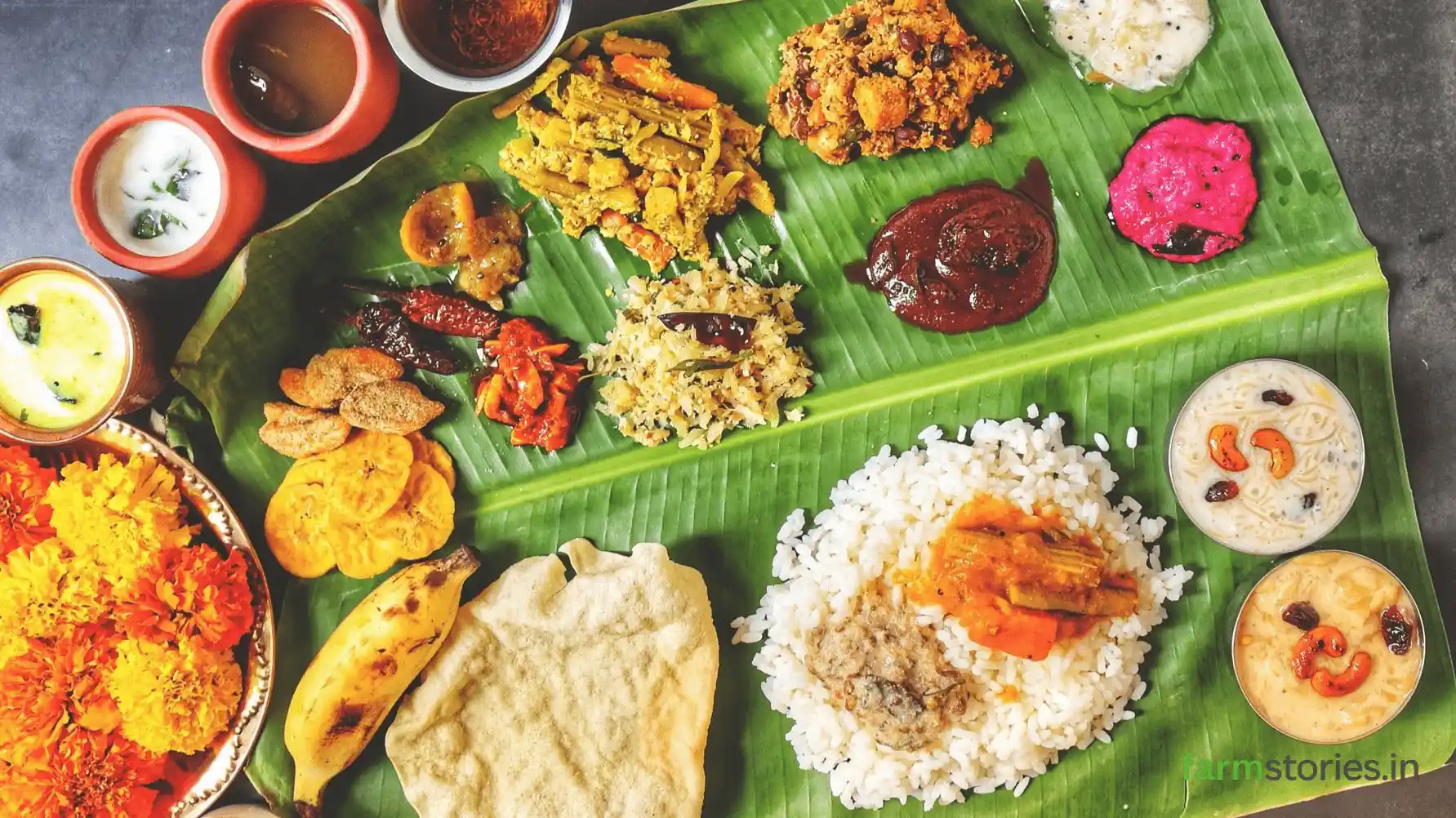
Every year around this time, Kerala home gardeners ask the same question: is it too late to grow something for Onam? It’s not. The vegetables to plant in July for Onam include several fast-growing crops that go from seed to harvest in 45 to 65 days — which is exactly the window you have before the Sadya arrives.
You don’t need a farm. The right vegetables to plant in July for Onam — chillies, beans, bitter gourd, okra — can all come from a balcony grow bag, a terrace bed, or a small backyard plot and still land fresh on the festival table.. And that feeling — serving something you planted yourself — is honestly hard to beat.
Table of Contents
Why July Is the Right Time for an Onam Garden
Onam typically falls in late August or early September. That gives you a six-week growing window from early July. It’s tight, but completely workable if you choose the right crops.
You might wonder whether certain favourites will make it in time. Ash gourd and pumpkin are popular Onam vegetables — but both take 90 to 120 days to mature. Starting them in July means harvesting in October or November, well after the festival. So skip them this round — the best vegetables to plant in July for Onam are the ones that actually reach your plate before the Sadya.
Kerala’s monsoon does most of the heavy lifting on irrigation. Humidity is high, germination is fast, and soil stays moist without daily watering. But there’s a real risk: waterlogging. Roots sitting in stagnant water will rot within days. Good drainage — multiple holes in pots, raised beds in the backyard, grow bags elevated on brick stands — isn’t optional during monsoon. It’s what separates a productive July garden from a disappointing one.
A reliable potting mix for this season is 40% compost or well-rotted cow dung, 30% topsoil, and 30% coco peat. Choosing the right vegetables to plant in July for Onam also means thinking about your microclimate. A balcony facing west in Kozhikode gets strong afternoon sun — perfect for okra and chilli. A shaded north-facing terrace in Kochi suits cowpea and long beans better. The crop list matters, but so does where you place them. That ratio drains fast while holding just enough moisture for roots to thrive through heavy rain weeks.
6 Best Vegetables to Plant in July for Onam
1. Green Chilli and Kanthaari
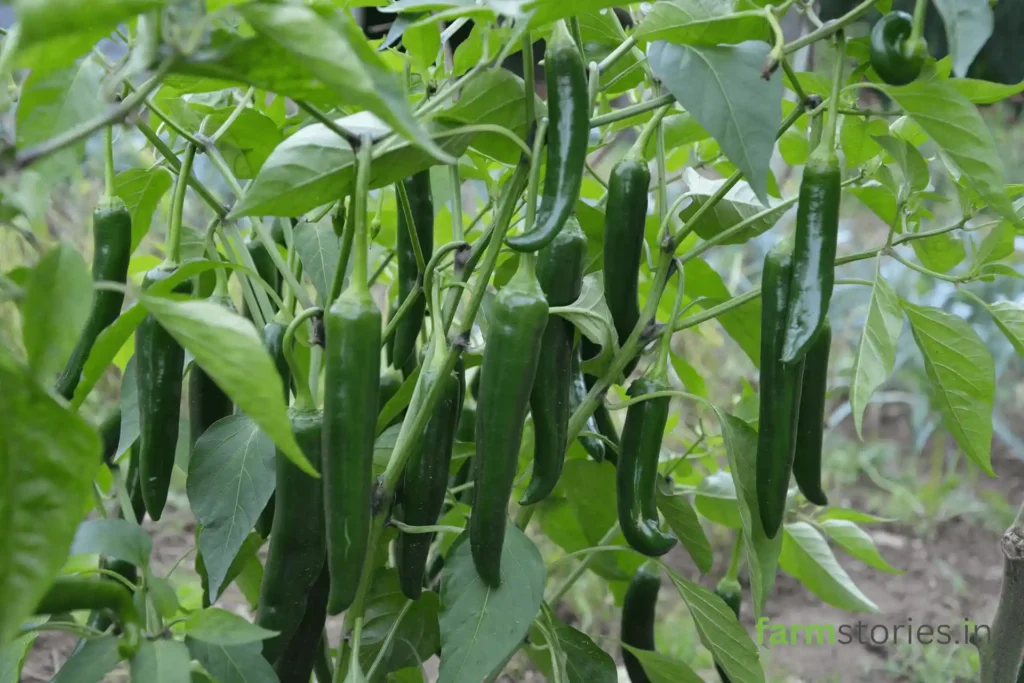
No Kerala kitchen runs without chillies, and no Onam Sadya is complete without at least one dish that brings heat. Standard green chillies and the fiery local Kanthaari both do well in medium-sized pots. Starting from seed in early July, most varieties begin producing pods in 50 to 70 days — landing you right at Onam. Want to shave two weeks off that? Buy saplings from your local nursery instead of starting from seed. Place pots in the sunniest corner of your balcony or terrace. A single healthy plant can yield 30 to 50 pods over its productive period — more than enough for festive cooking.
2. Bitter Gourd (Pavakka)
Pavakka is one of the most rewarding vegetables to plant in July for Onam, and it’s more achievable than most people think. Fast-maturing varieties produce their first fruits in 55 to 65 days — but only just within the window. Plant in the first week of July, not the third. Sow 2 seeds per large grow bag or directly into a prepared bed. Bitter gourd is a climber, so give it a trellis, a balcony railing, or a simple rope frame. Hand-pollinate flowers on rainy days when bees aren’t active — just brush a male flower gently against the centre of a female flower. It takes seconds and dramatically improves fruit set during monsoon.
Join a community dedicated to sustainable cultivation. Subscribe to FarmStories below for free, authentic insights into modern agri-tech and organic farming methods.
3. Bush Long Beans (Valli Payar)
Climbing long bean varieties take too long for a July start. Bush varieties — compact plants that don’t need a tall trellis — begin flowering in about 35 days and produce harvestable pods by week six. Plant 2 seeds per 12-inch grow bag and insert a small stick for support against monsoon winds. Long beans are a Sadya staple — essential in Avial and thoran — so growing even a modest supply feels genuinely meaningful for the festival table.
4. Cowpea (Vanpayar)
Vanpayar has an almost symbolic connection to Onam cooking. It turns up in thorans, curries, and as a side dish that has been part of the festival meal for generations. It’s also one of the most reliable vegetables to plant in July for Onam — vigorous during the rainy season, pods ready in 45 to 60 days, and adaptable to both terrace containers and backyard plots. Climbing varieties need a simple support structure, but bush types are widely available if space is tight.
5. Okra (Venda)
Okra goes from sowing to first harvest in 45 to 60 days, making it a solid July pick. One tip that makes a real difference: soak seeds in warm water for three hours before sowing. This softens the hard outer shell and cuts germination time nearly in half. Okra also needs at least four hours of direct sunlight daily, so a sheltered balcony with poor light won’t suit it. A well-lit terrace or open balcony works much better. Harvest pods young — every two to three days — and the plant keeps producing steadily right through the season.
6. Cucumber (Vellarikka)
The large yellow Kanivellari common in Kerala markets takes too long for a July Onam start. But short-duration salad cucumbers or compact bush varieties produce fruit in 50 to 65 days — achievable if you sow in the first two weeks of July. Grow them in large containers and let vines trail along a balcony railing or a simple frame. During heavy monsoon rain, bees stay grounded and flowers go unpollinated. Hand-pollinate by plucking a male flower and brushing it gently against the centre of a female flower. It takes 30 seconds and makes a significant difference in how many fruits actually set.
Garden Plans Based on Your Space
Balcony gardeners should focus on chillies, okra, and long beans — crops that tolerate some shade and don’t need sprawling root space. A practical setup using the top vegetables to plant in July for Onam: two pots of green chilli, one grow bag of okra, one grow bag of bush long beans, and one large cucumber container trailing along the railing. Use vertical space wherever possible — a bitter gourd vine up a balcony grill takes almost no floor area while producing generously.
Terrace gardeners have more sun and more room, so the full list of 6 crops is realistic. Four okra plants, four chilli plants, two cowpea plants, two bitter gourd plants on a simple trellis, and two cucumber containers gives you a genuinely diverse Onam harvest. Always raise grow bags on bricks or wooden stands — water pooling underneath damages both plant roots and terrace concrete over time.
Kitchen garden or backyard plots offer the most flexibility. But don’t plant directly into flat ground during July — saturated soil drowns seedlings fast. Build raised beds at least 6 inches above ground level, cut small drainage channels around them, and mix dry cow dung powder and wood ash into the soil before sowing. This provides a steady release of potassium and phosphorus for young roots through the wet weeks ahead.
Monsoon Care That Actually Makes a Difference
Monsoon gardening isn’t just about planting and waiting. The same humidity that helps seeds germinate fast also encourages fungal disease and pests. Don’t wait for problems to appear.
Spray plants every Sunday evening with a neem oil solution — 5 ml neem oil and 2 ml liquid soap in 1 litre of water. This keeps aphids and leaf-eating caterpillars away without harsh chemicals. If white powdery patches appear on leaves, fungal infection has already set in. A 1% Bordeaux mixture or an organic Pseudomonas solution sprayed on the foliage controls it before it spreads to neighbouring plants.
Feed lightly and regularly. Rainwater carries dissolved nitrogen, which pushes leafy growth. To balance that and encourage flowering and fruiting, add organic bone meal or rock phosphate powder to your pots mid-month. Small applications of vermicompost every 10 days work far better than a single heavy feeding.
And harvest frequently. Okra left on the plant too long turns fibrous and tough. Long bean pods past their prime are no good for cooking. Harvesting every two to three days once production begins keeps plants productive and delivers better-quality vegetables right through the festive season.
Every experienced home gardener in Kerala will tell you the same thing — the vegetables to plant in July for Onam that survive monsoon aren’t the ones that got the most water. They’re the ones that had the best drainage, the most sunlight, and were harvested on time.
A Few Seeds Today, a Sadya Ingredient in Weeks
Starting vegetables to plant in July for Onam doesn’t require much — a few seed packets, some grow bags, coco peat and compost, and a spot with reasonable sunlight. A family in a Malappuram apartment or a home in Thrissur with a modest terrace can realistically harvest fresh chillies, cowpea, pavakka, and okra before the festival — if planting starts in the first two weeks of July.
You won’t grow every ingredient for the Sadya. But serving even one or two vegetables you raised yourself changes how the meal feels. It connects the festival back to something older — the actual harvest that Onam was always meant to celebrate.
Plant this week. Your Onam table will notice the difference.
Want to see these techniques in action? Join our growing community of urban farmers by following farmstories on LinkedIn, Instagram, YouTube, and Facebook for daily tips, video guides, and harvest inspiration!