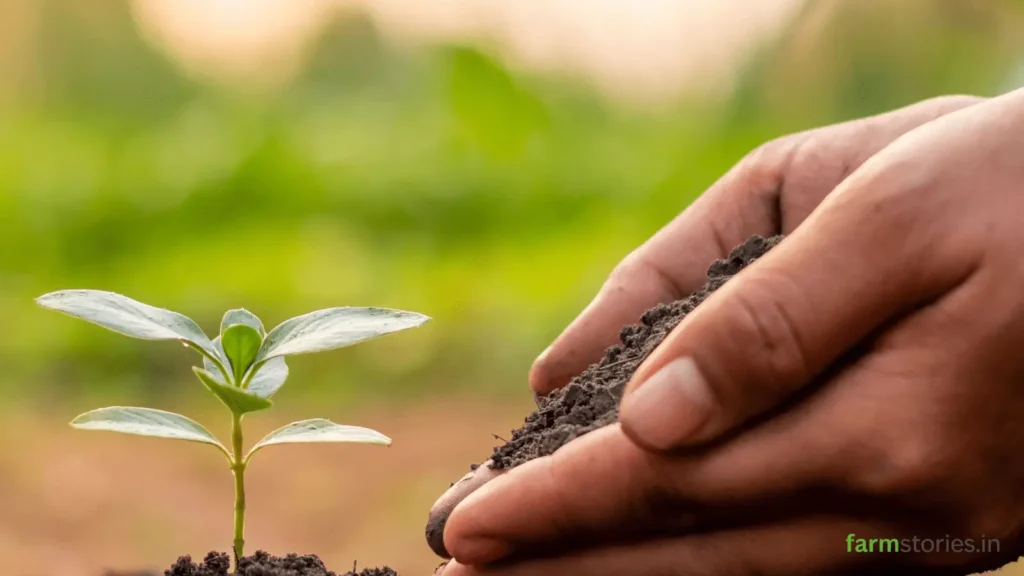
Healthy soil is the foundation of successful farming. No matter how good the seeds or irrigation system are, crops cannot reach their full potential if the soil lacks essential nutrients or has an unsuitable pH level. This is why soil testing for farmers has become one of the most important practices in modern agriculture.
Many farmers still apply fertilizers based on experience or general recommendations. While this approach may work in some cases, it often leads to nutrient deficiencies, excessive fertilizer use, increased production costs, and lower yields. Soil testing removes the guesswork by providing accurate information about your soil’s condition.
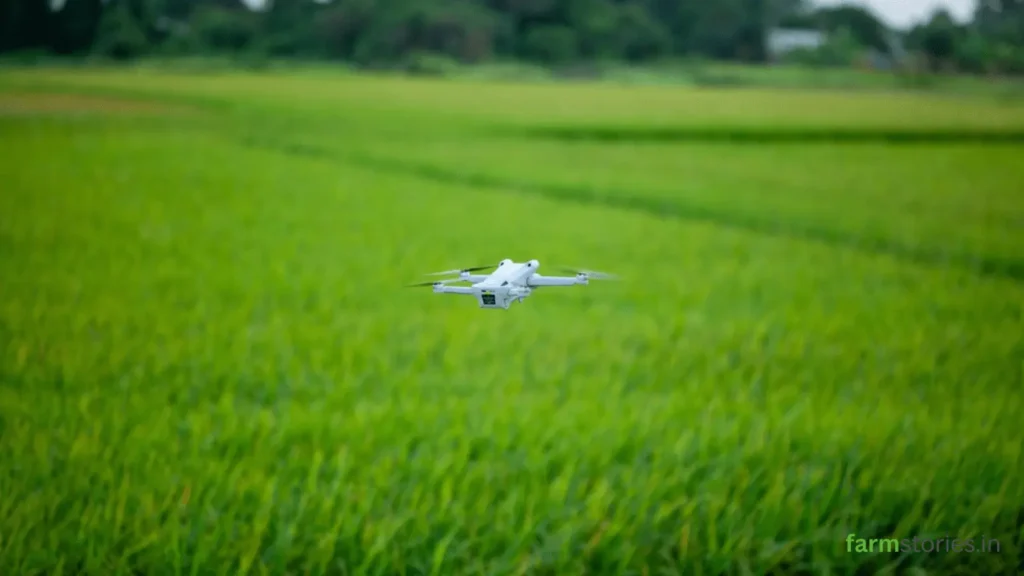
Today, soil testing has advanced beyond traditional laboratory analysis. Artificial intelligence (AI), digital sensors, drones, satellite imagery, and precision agriculture technologies now help farmers monitor soil health more efficiently and make data-driven decisions.
Whether you manage a small vegetable garden, a family farm, or a large commercial operation, understanding your soil is the first step toward improving crop productivity and long-term soil health.
In this guide, you’ll learn everything about soil testing for farmers, including its benefits, traditional and modern testing methods, AI-powered technologies, soil sample collection, and best practices for improving soil fertility.
Table of Contents
What Is Soil Testing?
Soil testing is the process of analyzing soil samples to determine their physical, chemical, and sometimes biological properties. The results help farmers understand whether the soil contains the right balance of nutrients needed for healthy crop growth.
A standard soil test measures factors such as:
Soil pH
Organic carbon
Nitrogen (N)
Phosphorus (P)
Potassium (K)
Secondary nutrients
Micronutrients
Electrical conductivity (EC)
Salinity in affected areas
Based on these results, farmers can apply the right fertilizers and soil amendments in the correct quantities instead of relying on assumptions.
Join a community dedicated to sustainable cultivation. Subscribe to FarmStories below for free, authentic insights into modern agri-tech and organic farming methods.
Why Soil Testing Is Important for Farmers
Every field is different. Even two neighboring farms growing the same crop may have completely different nutrient levels and soil conditions.
Without testing, farmers may unknowingly:
Apply more fertilizer than necessary.
Miss important nutrient deficiencies.
Increase production costs.
Reduce crop quality.
Damage soil health over time.
Regular soil testing for farmers helps identify these issues before they affect crop performance.
It also supports sustainable farming by improving fertilizer efficiency and reducing nutrient runoff into nearby water sources.
Benefits of Soil Testing
Regular soil testing offers both economic and environmental benefits.
1. Improves Crop Yield
Healthy soil provides crops with balanced nutrition, resulting in stronger plant growth and higher productivity.
2. Reduces Fertilizer Costs
Applying fertilizers based on actual soil requirements prevents unnecessary expenses and improves nutrient use efficiency.
3. Identifies Nutrient Deficiencies
A soil test reveals which nutrients are lacking and which are already sufficient, helping farmers develop balanced fertilization plans.
Matching fertilizer applications to soil test results increases nutrient uptake and minimizes waste.
6. Protects the Environment
Overusing fertilizers can contaminate rivers, lakes, and groundwater. Soil testing helps reduce nutrient losses and supports environmentally responsible farming.
7. Supports Precision Agriculture
Modern precision farming relies on accurate soil data to optimize irrigation, fertilizer application, and crop management decisions.
Key Soil Properties Measured During Soil Testing
A comprehensive soil test evaluates several important characteristics that influence crop growth.
Soil Property
Why It Matters
pH
Determines nutrient availability to plants
Nitrogen (N)
Supports leaf and stem growth
Phosphorus (P)
Promotes root development and flowering
Potassium (K)
Improves disease resistance and crop quality
Organic Carbon
Indicates soil fertility and organic matter content
Calcium
Supports strong cell walls and root growth
Magnesium
Essential for chlorophyll production
Sulfur
Required for protein synthesis
Zinc
Supports enzyme activity and plant development
Iron
Necessary for chlorophyll formation
Electrical Conductivity (EC)
Indicates salinity levels
Organic Matter
Improves soil structure and water retention
Understanding these properties allows farmers to make informed decisions about nutrient management and crop selection.
Signs Your Soil Needs Testing
Many nutrient problems develop gradually and may not be immediately visible. However, several warning signs indicate that your soil should be tested.
Look for symptoms such as:
Poor seed germination
Slow plant growth
Yellowing leaves
Purple or reddish foliage
Weak root development
Reduced flowering
Small fruits or grains
Uneven crop growth across the field
Low yields despite regular fertilization
Waterlogging or poor drainage
Testing the soil before planting can identify these problems early and help prevent yield losses.
How Often Should Farmers Test Their Soil?
The frequency of soil testing depends on the cropping system, soil type, and management practices.
The following schedule is a useful general guideline:
Farming Situation
Recommended Testing Frequency
Vegetable farming
Every year
Field crops
Every 2 to 3 years
Fruit orchards
Every 2 years
Greenhouse cultivation
Before each major cropping cycle
Newly developed farmland
Before the first crop is planted
Regular testing allows farmers to track changes in soil fertility over time and adjust nutrient management accordingly.
FarmStories Tip: Don’t wait until crops show nutrient deficiency symptoms. Test your soil before each planting season to make informed decisions about fertilizer application and crop planning.
Farmers have relied on soil testing for decades to understand soil fertility and nutrient availability. While laboratory testing remains the most accurate method, new technologies now offer faster and more convenient alternatives.
Choosing the right testing method depends on your farm size, budget, and the level of detail required.
1. Laboratory Soil Testing
Laboratory analysis is the most reliable method for evaluating soil health. A soil sample is collected from the field and sent to an agricultural laboratory, where specialists analyze its physical and chemical properties.
What Does a Laboratory Test Measure?
A standard laboratory test can determine:
Soil pH
Organic carbon
Nitrogen (N)
Phosphorus (P)
Potassium (K)
Calcium
Magnesium
Sulfur
Zinc
Iron
Electrical conductivity (EC)
Soil salinity
Many laboratories also provide fertilizer recommendations based on the crop you plan to grow.
Advantages
Highly accurate results
Comprehensive nutrient analysis
Professional fertilizer recommendations
Suitable for all crop types
Limitations
Results may take several days.
Sample collection and transportation require extra effort.
Costs vary depending on the tests requested.
2. Home Soil Test Kits
Home soil test kits provide a quick way to estimate soil conditions without sending samples to a laboratory.
Most kits measure:
Soil pH
Nitrogen
Phosphorus
Potassium
These kits are useful for home gardens and small farms but are generally less accurate than laboratory testing.
Advantages
Quick results
Easy to use
Affordable
No laboratory visit required
Limitations
Limited nutrient analysis
Lower accuracy
Not suitable for detailed fertilizer planning
3. Visual Soil Assessment
Experienced farmers often identify potential soil problems by observing crop performance and soil characteristics.
Common indicators include:
Poor crop growth
Yellowing leaves
Stunted plants
Hard or compacted soil
Waterlogging
Uneven crop growth
Although visual inspection is helpful, it cannot accurately determine nutrient levels or soil chemistry. It should be used alongside proper soil testing rather than as a replacement.
How to Collect a Soil Sample Correctly
Accurate soil testing begins with proper sample collection. Even the best laboratory cannot provide reliable recommendations if the sample does not represent the field.
Follow these steps:
Step 1: Divide the Field
Separate fields based on:
Soil type
Previous crop
Fertilizer history
Irrigation practices
Slope and drainage
Avoid combining samples from areas with different characteristics.
Step 2: Collect Multiple Samples
Take soil from 10 to 15 different locations across the field.
Walk in a zigzag pattern to collect representative samples.
Step 3: Sample at the Correct Depth
Recommended sampling depths:
Crop Type
Soil Depth
Field crops
0 to 15 cm
Vegetables
0 to 20 cm
Fruit trees
15 to 30 cm (around the root zone)
Step 4: Mix the Samples
Combine all collected soil in a clean plastic bucket.
Remove:
Stones
Plant roots
Leaves
Other debris
Mix thoroughly to create a uniform composite sample.
Step 5: Dry and Pack the Sample
Air-dry the soil in the shade.
Do not dry it in direct sunlight.
Place about 500 grams in a clean, labeled bag.
Include information such as:
Farmer’s name
Field location
Crop to be grown
Date of collection
AI Technologies Transforming Soil Testing
Traditional laboratory testing provides valuable information, but modern agriculture increasingly relies on Artificial Intelligence (AI) to monitor soil conditions in real time.
AI-powered technologies help farmers detect problems earlier, apply inputs more precisely, and make better decisions based on continuous data rather than occasional testing.
1. AI-Powered Soil Sensors
Smart soil sensors are installed in the field to monitor important soil conditions around the clock.
These sensors can measure:
Soil moisture
Soil temperature
Soil pH
Electrical conductivity
Salinity
Nutrient availability
The collected data is sent to a mobile app or online dashboard, where AI analyzes trends and provides recommendations.
Getting a soil test report is only the first step. The real value of soil testing for farmers comes from using the results to improve soil fertility and crop productivity.
Follow these best practices after receiving your soil test report.
Apply Fertilizers Based on Soil Test Results
Avoid applying fertilizers based on guesswork or previous seasons.
Instead:
Apply only the nutrients recommended in the report.
Split fertilizer applications when appropriate.
Match fertilizer schedules with crop growth stages.
Monitor crop performance after application.
Balanced fertilization improves nutrient use efficiency and reduces unnecessary costs.
Maintain Soil Organic Matter
Healthy soil contains enough organic matter to support beneficial microorganisms and improve soil structure.
You can increase organic matter by:
Applying compost
Using vermicompost
Growing green manure crops
Leaving crop residues where appropriate
Practicing crop rotation
Improving soil organic matter also enhances water retention and nutrient availability.
Retest Soil Regularly
Soil testing for farmers should not be a one-time activity.
Nutrient levels change because of:
Crop removal
Rainfall
Irrigation
Fertilizer use
Soil erosion
Testing soil every two to three years helps farmers monitor these changes and adjust nutrient management plans.
Vegetable growers and intensive farming systems may benefit from annual testing.
Government Support for Soil Testing for Farmers
The Government of India promotes soil testing for farmers through the Soil Health Card Scheme.
The scheme helps farmers:
Test soil at approved laboratories.
Receive detailed nutrient reports.
Understand fertilizer requirements.
Improve soil fertility.
Reduce unnecessary fertilizer use.
Increase farm productivity.
Farmers can contact their local agriculture department or Krishi Vigyan Kendra (KVK) to learn about soil testing services available in their area.
Farmers can learn more about the Soil Health Card Schemeand official soil testing services through the Ministry of Agriculture & Farmers Welfare.
The Future of Soil Testing for Farmers
Technology is making soil testing for farmers faster, more accurate, and easier to use.
Some emerging innovations include:
AI-powered nutrient prediction
Smart soil sensors
Autonomous field robots
Drone-based soil mapping
Satellite-based crop monitoring
Digital twins for farms
Cloud-based farm management platforms
In the coming years, many farms will combine laboratory soil analysis with real-time sensor data and AI recommendations to improve decision-making.
Instead of waiting for visible crop problems, farmers will be able to identify nutrient deficiencies before they affect plant growth.
Common Mistakes in Soil Testing for Farmers
Many inaccurate soil reports result from poor sampling rather than laboratory errors.
Avoid these mistakes:
Collecting soil immediately after fertilizer application.
Mixing soils from different fields.
Using dirty sampling tools.
Collecting too few samples.
Ignoring soil depth recommendations.
Sending wet samples without air drying.
Waiting too long before submitting samples.
Following proper sampling procedures improves the accuracy of soil testing for farmers.
Frequently Asked Questions About Soil Testing for Farmers
What is the best time for soil testing for farmers?
The best time is before planting or after harvesting, when fertilizers have not been recently applied. This provides more accurate nutrient readings.
How often should soil testing for farmers be done?
Most farms should test their soil every two to three years. Intensive vegetable farming and greenhouse cultivation may require annual testing.
Can AI improve soil testing for farmers?
Yes. AI can analyze soil data from sensors, drones, satellites, and laboratory reports to recommend irrigation schedules, fertilizer application rates, and nutrient management strategies.
Is laboratory testing better than digital soil testing?
Laboratory testing remains the most accurate method for detailed nutrient analysis. Digital soil testing devices are useful for quick field assessments and continuous monitoring.
Does soil testing reduce fertilizer costs?
Yes. Soil testing for farmers helps apply only the nutrients that crops actually need, reducing waste and lowering fertilizer expenses.
Soil testing for farmers is one of the most effective ways to improve crop yields, reduce fertilizer costs, and maintain long-term soil health. Whether you use traditional laboratory analysis or modern AI-powered technologies, understanding your soil allows you to make informed farming decisions.
As precision agriculture continues to evolve, smart sensors, drones, satellite monitoring, and machine learning will become increasingly valuable tools for managing soil fertility. However, these technologies work best when combined with proper soil sampling, regular testing, and sustainable farming practices.
Investing in soil testing for farmers today helps build healthier soils, more productive crops, and a more sustainable farming system for the future.
Key Takeaways
Soil testing for farmers improves fertilizer efficiency and crop productivity.
Laboratory testing provides the most detailed nutrient analysis.
AI technologies make soil monitoring faster and more precise.
Proper soil sampling is essential for accurate results.
Test soil regularly to track changes in soil fertility.
Use soil test recommendations instead of applying fertilizers based on assumptions.
Want to see these techniques in action? Join our growing community of urban farmers by following farmstories on LinkedIn, Instagram, YouTube, and Facebook for daily tips, video guides, and harvest inspiration!