Agriculture has always been the backbone of India’s economy, supporting the livelihoods of millions of farmers and contributing significantly to the country’s food security. However, Indian farming continues to face several challenges, including unpredictable weather, rising input costs, labour shortages, limited market access, post-harvest losses, and price fluctuations. These issues often reduce farm profitability and make farming a difficult occupation, particularly for small and marginal farmers.
In recent years, a new generation of Indian AgriTech startups has emerged with innovative solutions designed to address these real-world challenges. Instead of focusing only on increasing crop yields, many startups are helping farmers improve market access, reduce post-harvest losses, simplify supply chains, adopt digital technologies, and make better business decisions. By combining agriculture with artificial intelligence, mobile applications, cloud computing, drones, biotechnology, logistics, and financial services, these companies are reshaping how farming is practiced across the country.
The Indian AgriTech ecosystem has also attracted significant attention from investors, government agencies, agribusinesses, and research institutions. Initiatives such as Startup India, Digital Agriculture Mission, and increased smartphone penetration in rural areas have created an environment where agricultural innovation can reach farmers more quickly than ever before. As technology becomes more affordable and accessible, farmers are gradually adopting digital tools that help them reduce risks and improve productivity.
Unlike our previous feature on Startups Driving Precision Agriculture in India, which focused on companies using artificial intelligence, IoT, satellite imagery, and precision farming technologies, this article explores Indian AgriTech startups working across different segments of agriculture. These companies are solving problems related to marketing, supply chains, dairy farming, post-harvest management, climate resilience, warehousing, and agricultural commerce.
Whether you are a farmer, agribusiness professional, student, entrepreneur, or someone interested in India’s agricultural transformation, these startups demonstrate how innovation is creating practical solutions that benefit farmers throughout the agricultural value chain.
Table of Contents
Why Indian AgriTech Startups Matter Today
Indian agriculture is changing rapidly. Farmers today need more than quality seeds and fertilizers. They require timely information, reliable buyers, better storage facilities, affordable financing, and efficient logistics to remain competitive. Technology alone cannot solve every agricultural challenge, but it can make farming decisions faster, reduce inefficiencies, and connect farmers with better opportunities.
Many AgriTech startups have moved beyond experimental technologies and are now working directly with farmers, Farmer Producer Organizations (FPOs), cooperatives, exporters, retailers, and food processing companies. Their solutions cover every stage of agriculture, from planning and cultivation to storage, transportation, marketing, and exports.
Some startups focus on helping farmers obtain fair prices for their produce, while others reduce food waste by improving cold chain infrastructure or extending the shelf life of fruits and vegetables. Several companies are also making dairy farming, fisheries, and agricultural trading more transparent through digital platforms.
Join a community dedicated to sustainable cultivation. Subscribe to FarmStories below for free, authentic insights into modern agri-tech and organic farming methods.
This diversity reflects the growing maturity of India’s AgriTech ecosystem. Instead of solving a single farming problem, today’s startups are building integrated solutions that strengthen the entire agricultural supply chain.
DeHaat has grown into one of India’s leading full-stack AgriTech platforms by bringing multiple agricultural services together under one digital ecosystem. Founded in 2012, the company works with farmers across several states, helping them access quality farm inputs, scientific advisory services, financial solutions, crop procurement, and market linkages through a single platform.
One of DeHaat’s biggest strengths is its ability to simplify farming operations. Farmers no longer need to depend on multiple service providers for seeds, fertilizers, pesticides, crop guidance, or selling their produce. Instead, they can access these services through DeHaat’s digital platform and its network of local service centres.
The company combines agronomic expertise with digital technology to provide recommendations throughout the crop cycle. Farmers receive guidance based on local conditions while also gaining access to verified agricultural inputs. At harvest, DeHaat connects farmers with buyers, reducing dependence on traditional intermediaries and improving market access.
Beyond advisory services, DeHaat also supports farmers through credit, insurance, and financial products that help reduce production risks. This integrated approach has made the company one of India’s most recognized agricultural technology startups. Among today’s leading Indian AgriTech Startups, DeHaat has created a comprehensive platform that supports farmers from crop planning to market access.
Agricultural trading in India has traditionally relied on personal relationships, local market knowledge, and trust between buyers and sellers. However, delayed payments, limited transparency, and difficulty in finding reliable trading partners often create financial uncertainty for farmers and traders alike.
Bijak addresses these challenges through a business-to-business agricultural trading platform that connects commission agents, traders, wholesalers, and buyers across India. Rather than focusing on crop production, the company improves the way agricultural commodities are bought and sold.
One of Bijak’s most valuable features is its trader rating and transaction history system. Users can evaluate potential trading partners based on previous business interactions, helping reduce payment risks and build greater confidence in agricultural transactions.
The platform also simplifies communication, digital record keeping, and price discovery, making agricultural commerce more transparent. As interstate agricultural trade continues to expand, platforms like Bijak are helping modernize India’s agricultural marketing ecosystem.
By improving trust and reducing information gaps, Bijak enables agricultural businesses to operate more efficiently while supporting better commercial opportunities for farmers. Indian AgriTech Startups like Bijak are making agricultural trading more transparent by helping farmers and traders build trusted business relationships.
Access to reliable agricultural information can significantly influence farming decisions. While many farmers seek advice from local dealers or neighbouring farmers, digital platforms are creating new opportunities for knowledge sharing across regions and crop types.
Krishify has developed one of India’s largest digital communities for farmers by combining agricultural advisory, social networking, marketplace services, and local language communication into a single platform.
Farmers can ask questions, share experiences, upload crop photographs, and receive guidance from agricultural experts as well as fellow farmers. This peer-to-peer learning environment encourages practical knowledge sharing based on real farming experiences rather than theoretical recommendations alone.
In addition to community discussions, Krishify provides weather updates, crop advisory, input purchasing options, and market information that help farmers make timely decisions throughout the growing season.
Its multilingual approach has contributed to wider adoption across different states, making digital agricultural services more accessible to farmers who prefer regional languages.
As smartphone usage continues to increase in rural India, platforms like Krishify demonstrate how digital communities can strengthen agricultural learning and improve farmer engagement. Krishify demonstrates how Indian AgriTech Startups are using digital communities to connect farmers with expert advice and market opportunities.
Moving fresh fruits and vegetables from farms to consumers is one of the biggest challenges in Indian agriculture. Farmers often face delays in transportation, multiple intermediaries, inconsistent prices, and significant post-harvest losses before their produce reaches the market. These issues reduce farm income and affect the quality of fresh produce available to consumers.
Ninjacart was established to make the fresh produce supply chain faster, more transparent, and more efficient. The company connects farmers directly with retailers, supermarkets, restaurants, wholesalers, and businesses through a technology-enabled distribution network.
Unlike traditional supply chains, where produce may pass through several middlemen, Ninjacart uses digital procurement, sorting centres, and optimized logistics to move fruits and vegetables quickly from farms to buyers. This helps maintain freshness while reducing unnecessary handling and transportation delays.
The company also uses data analytics to forecast demand and plan procurement more accurately. Better demand forecasting helps minimize waste and allows farmers to sell their produce more efficiently.
Today, Ninjacart has built one of India’s largest fresh produce supply chains, serving multiple cities and supporting thousands of farmers with improved market access. Indian AgriTech Startups such as Ninjacart are modernizing fresh produce supply chains and helping farmers reach organized markets more efficiently.
India is one of the world’s largest producers of fruits, yet many fruit growers continue to face challenges related to quality grading, exports, price fluctuations, and access to organized buyers. Small variations in quality can significantly affect market value, especially in premium domestic and international markets.
Vegrow focuses on improving the fruit value chain by connecting growers with retailers, exporters, food businesses, and institutional buyers. The company combines technology with supply chain management to improve quality assessment, procurement, and market planning.
Its digital platform helps match supply with demand while maintaining quality standards throughout the distribution process. This enables growers to reach larger markets with greater confidence and supports buyers in sourcing consistent, high-quality produce.
Vegrow also works on improving transparency in transactions by using data to predict market demand and optimize procurement schedules. This reduces uncertainty for both growers and buyers.
As demand for premium-quality fruits continues to grow in India and overseas, companies like Vegrow are helping farmers participate in higher-value agricultural markets. Vegrow is one of the Indian AgriTech Startups improving fruit marketing through technology-driven quality management and better supply chain planning.
Many farmers are forced to sell their harvest immediately after collection because they lack access to safe storage facilities or working capital. This often results in distress sales when market prices are at seasonal lows.
Arya.ag addresses this problem by providing scientific warehousing, post-harvest financing, and digital agricultural commerce solutions. The company enables farmers, Farmer Producer Organizations (FPOs), traders, and agribusinesses to store agricultural commodities securely while waiting for better market prices.
One of Arya.ag’s key innovations is the use of digital warehouse receipts. Farmers who store their produce in certified warehouses can use these receipts to access credit without selling their crops immediately. This gives them greater financial flexibility and more control over when to enter the market.
The company also provides quality assessment, storage management, and market linkage services that help reduce post-harvest losses and improve transparency across the agricultural value chain.
By strengthening post-harvest infrastructure, Arya.ag is helping farmers improve income stability while supporting a more organized agricultural marketing system. Among emerging Indian AgriTech Startups, Arya.ag is strengthening post-harvest infrastructure with scientific warehousing and digital financing solutions.
Key Highlights
Scientific warehousing
Digital warehouse receipts
Post-harvest financing
Market linkage
Commodity storage
Agricultural commerce platform
How These Startups Are Strengthening Agricultural Markets
For many years, agricultural innovation was associated mainly with improving crop production. While higher productivity remains important, today’s farming ecosystem also depends on efficient transportation, reliable storage, transparent trading, and better market access.
Companies such as Ninjacart, Vegrow, and Arya.ag demonstrate that solving post-harvest challenges can be just as valuable as increasing crop yields. Better logistics help preserve produce quality, organized supply chains reduce unnecessary losses, and scientific warehousing allows farmers to make marketing decisions based on price rather than storage limitations.
Together, these innovations strengthen the agricultural value chain and create new opportunities for farmers to improve profitability without increasing cultivated land.
India loses a significant quantity of fruits and vegetables before they reach consumers. High temperatures, long transportation distances, and limited cold storage facilities often reduce the shelf life of fresh produce, affecting both farmers and buyers. These post-harvest losses represent lost income for growers and unnecessary food waste across the supply chain.
GreenPod Labs is working to address this challenge through biotechnology-based post-harvest solutions. The company develops plant-based products that help extend the freshness of fruits and vegetables during storage and transportation without relying on harmful chemical preservatives.
Its technology slows the natural ripening process, allowing fresh produce to remain marketable for a longer period. This gives farmers, exporters, retailers, and distributors more time to transport and sell their produce while maintaining quality.
The company’s solutions are especially valuable for highly perishable crops that require careful handling. By reducing spoilage during transit and storage, GreenPod Labs helps improve returns for farmers while supporting a more sustainable food system.
As India continues to expand its fresh produce exports, innovations that reduce post-harvest losses will become increasingly important for improving competitiveness in domestic and international markets. Indian AgriTech Startups like GreenPod Labs are helping reduce food waste through innovative post-harvest technologies for fresh produce.
Water scarcity has become one of the biggest concerns for agriculture in many parts of India. Irregular rainfall, declining groundwater levels, and increasing temperatures make efficient water management essential for long-term farm sustainability.
EF Polymer has developed biodegradable water-retaining polymers made from agricultural by-products. These materials are mixed with soil to absorb and gradually release water, helping crops remain hydrated for longer periods between irrigation cycles.
Unlike conventional synthetic water-retaining materials, EF Polymer’s products are designed to be environmentally friendly while supporting improved soil moisture management. This technology can help farmers reduce irrigation frequency, improve water-use efficiency, and increase crop resilience during dry conditions.
The solution is suitable for a wide range of crops, including vegetables, fruits, plantation crops, and ornamental plants. It also supports sustainable farming by reducing water consumption without changing existing irrigation systems.
As climate change places increasing pressure on agricultural water resources, innovations like EF Polymer demonstrate how simple technologies can help farmers adapt to changing environmental conditions. EF Polymer highlights how Indian AgriTech Startups are developing sustainable solutions that help farmers conserve water and improve soil moisture.
Agriculture extends beyond crop production, and India’s dairy sector plays a vital role in supporting rural livelihoods. Millions of small dairy farmers contribute to the country’s milk production, but managing livestock health, milk quality, and collection systems efficiently remains a challenge.
Stellapps is one of India’s leading DairyTech companies, developing digital solutions that improve productivity across the dairy value chain. Its technology supports milk collection centres, dairy cooperatives, processors, and farmers through data-driven monitoring and automation.
The company’s platforms help record milk quality, manage procurement, monitor livestock health, and improve traceability throughout the dairy supply chain. Digital tools also assist dairy farmers in tracking animal performance, breeding, feeding, and health management.
By improving transparency and operational efficiency, Stellapps helps dairy businesses reduce losses while enabling farmers to make informed livestock management decisions.
The company’s work illustrates how digital technologies are transforming India’s dairy industry in much the same way that AgriTech startups are reshaping crop farming. Stellapps shows that Indian AgriTech Startups are transforming dairy farming through smart livestock management and digital milk collection systems.
Key Highlights
Dairy technology platform
Digital milk collection
Livestock monitoring
Milk quality management
Traceability solutions
Dairy supply chain digitization
Innovation Beyond the Farm
The startups featured so far demonstrate that agricultural innovation goes far beyond crop cultivation. Companies like GreenPod Labs focus on reducing food waste after harvest, EF Polymer helps farmers conserve water under changing climate conditions, and Stellapps brings digital transformation to the dairy sector.
These innovations address practical challenges that affect farm profitability every day. Extending the shelf life of fresh produce can increase marketing opportunities. Improving water efficiency helps reduce production costs. Better livestock management supports higher milk quality and healthier animals.
This broader approach reflects the evolution of the Indian AgriTech ecosystem. Instead of concentrating on a single stage of farming, modern startups are building solutions that strengthen every link in the agricultural value chain, from production and storage to livestock management and sustainability.
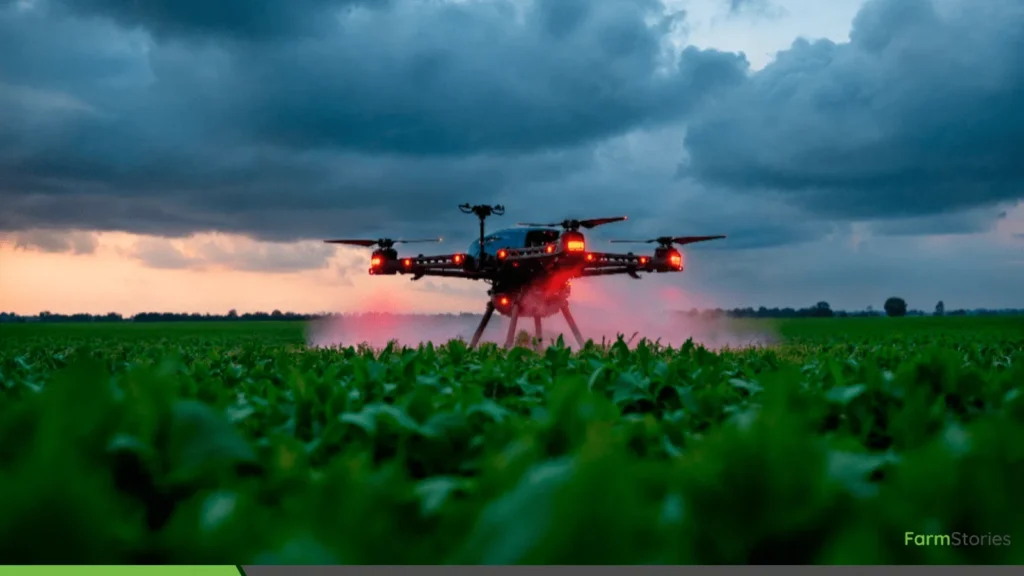
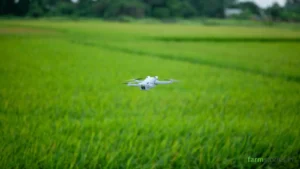
Drone technology is becoming an important part of modern agriculture, especially as farmers look for faster, safer, and more efficient ways to manage crop protection. While drones are increasingly being used for spraying, surveying, and field monitoring, their successful adoption depends on reliable equipment, technical support, and trained operators.
Syfero Synergetics is an Indian AgriTech company focused on expanding the use of agricultural drone technology. The company supplies crop spraying drones, intelligent drone batteries, genuine spare parts, and maintenance services that support precision farming operations. It also provides pilot training, technical guidance, and assistance with DGCA certification, helping individuals and businesses build professional drone service capabilities.
By combining equipment with training and after-sales support, Syfero Synergetics reduces some of the barriers that have traditionally limited drone adoption in agriculture. Its solutions are used by farmers, drone service providers, agribusinesses, and rural entrepreneurs seeking to improve spraying efficiency while reducing labour requirements and optimizing crop protection practices.
As drone technology becomes more widely accepted across Indian agriculture, companies like Syfero Synergetics are helping build the ecosystem needed for safe, reliable, and effective field operations. Syfero Synergetics is among the Indian AgriTech Startups promoting agricultural drone adoption through equipment, training, and technical support.
India’s fisheries and aquaculture sectors contribute significantly to agricultural exports and rural livelihoods. However, seafood producers often face challenges related to quality control, fragmented supply chains, cold chain management, and timely market access.
Captain Fresh has developed a technology-driven seafood supply chain that connects fish farmers, seafood suppliers, processors, exporters, and retailers through an integrated digital platform. The company uses data and modern logistics to improve procurement, quality management, and distribution across domestic and international markets.
Its technology helps streamline operations while maintaining product quality throughout transportation and storage. Better coordination between producers and buyers reduces delays, improves traceability, and strengthens export opportunities for Indian seafood.
Although fisheries are sometimes discussed separately from crop farming, they remain an important part of India’s agricultural economy. Captain Fresh demonstrates how digital innovation can improve efficiency across another major agricultural sector. Captain Fresh demonstrates how Indian AgriTech Startups are improving seafood supply chains with technology-driven logistics and quality management.
Key Highlights
Seafood supply chain platform
Technology-enabled procurement
Export-focused logistics
Quality management
Cold chain optimization
Digital seafood commerce
What Makes These Indian AgriTech Startups Different?
The companies featured in this article represent different parts of India’s agricultural ecosystem, but they share a common goal: solving practical problems that farmers and agribusinesses face every day.
Some startups improve access to markets, while others strengthen post-harvest management, modernize dairy farming, conserve water, or introduce advanced technologies such as drones and biotechnology. Together, they demonstrate that agricultural innovation is no longer limited to crop production alone.
As rural connectivity improves and digital tools become more accessible, Indian AgriTech startups are expected to play an increasingly important role in making agriculture more productive, sustainable, and resilient.
India’s agricultural sector is entering a period of rapid digital transformation. Government initiatives supporting agricultural modernization, growing investment in AgriTech, expanding internet access, and increasing awareness among farmers are creating new opportunities for technology adoption.
Future innovations are likely to focus on artificial intelligence, automation, climate resilience, carbon farming, robotics, biotechnology, precision irrigation, digital marketplaces, and sustainable supply chains. At the same time, startups will need to ensure that their solutions remain affordable, practical, and accessible for farmers across different regions and farming systems.
Success will depend not only on developing advanced technologies but also on building trust, providing local support, and delivering measurable value to farming communities.
The startups featured here illustrate the diversity and strength of India’s innovation ecosystem. Whether they work in supply chains, dairy, post-harvest management, drones, or agricultural commerce, each contributes to making Indian agriculture more efficient and better prepared for future challenges.
Frequently Asked Questions
What are Indian AgriTech startups?
Indian AgriTech startups are companies that develop technology-driven products and services to improve agriculture. Their solutions include digital advisory, supply chain management, drones, biotechnology, dairy technology, market linkages, and financial services for farmers.
Which Indian AgriTech startup is the largest?
Several companies have achieved significant scale, including DeHaat, Ninjacart, Cropin, and Stellapps. The largest company depends on factors such as funding, revenue, number of farmers served, and business model.
How do AgriTech startups benefit farmers?
They help farmers improve productivity, access better markets, reduce post-harvest losses, conserve resources, adopt modern technologies, and make informed farming decisions through digital tools.
Are agricultural drones becoming popular in India?
Yes. Government support, improved drone technology, and specialized companies such as Syfero Synergetics are encouraging wider adoption of drones for crop spraying, field monitoring, and precision agriculture.
Why are post-harvest startups important?
A considerable share of agricultural produce is lost after harvest because of inadequate storage, transportation, and supply chain infrastructure. Startups working in this area help reduce waste, improve quality, and increase farmer income.
Indian AgriTech Startups are transforming Indian agriculture by solving real challenges across farming, supply chains, post-harvest management, dairy, fisheries, and agricultural commerce.Today’s Indian AgriTech startups are building solutions that address challenges throughout the agricultural value chain, from production and market access to storage, logistics, dairy management, and climate resilience.
The eleven startups featured in this article demonstrate that innovation can take many forms. Some improve the way farmers sell their produce, others reduce food waste, strengthen dairy operations, conserve water, or expand the use of agricultural drones. Each contributes to a more efficient and sustainable agricultural ecosystem.
As investment, research, and digital adoption continue to grow, Indian AgriTech startups will play an increasingly important role in shaping the future of farming. Their success will depend on delivering practical solutions that improve farmer livelihoods while supporting a stronger and more resilient agricultural sector.
As more Indian AgriTech Startups introduce practical and scalable solutions, farmers will have greater access to modern technologies, efficient markets, financial services, and sustainable farming practices. Continued innovation and collaboration between startups, research institutions, and farming communities will play a key role in strengthening India’s agricultural future.
Want to see these techniques in action? Join our growing community of urban farmers by following FarmStories on LinkedIn, Instagram, YouTube, and Facebook for daily tips, video guides, and harvest inspiration!