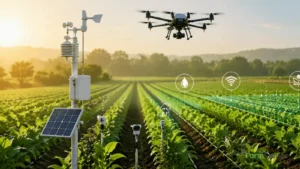
How to Start an FPO in India is a question many farmer groups, agri-entrepreneurs and rural organisations are asking as they look for better ways to increase farm income and strengthen their market position. Selling produce individually often leaves farmers with limited bargaining power, higher input costs and fewer opportunities to access organised markets. Forming a Farmer Producer Organisation (FPO) allows farmers to work together, reduce costs and build a sustainable agricultural business.
India’s agriculture is dominated by small and marginal farmers, many of whom cultivate less than two hectares of land. While they contribute significantly to the country’s food production, they often face challenges such as fluctuating prices, rising production costs, limited storage facilities and restricted access to quality markets. These challenges make collective action increasingly important.
This is where Farmer Producer Organizations have emerged as a practical solution. An FPO enables farmers to purchase farm inputs in bulk, market their produce collectively, adopt modern technologies and negotiate better prices with buyers. Instead of working alone, members benefit from the strength of a professionally managed organisation that is owned and governed by farmers themselves.
Learning how to start an FPO in India is not only about completing legal formalities. It also involves choosing the right members, identifying a viable business opportunity, developing a practical business plan and building an organisation that can grow over time. A well-managed FPO can improve farmers’ incomes while creating employment, encouraging value addition and supporting rural entrepreneurship.
In recent years, the Government of India has introduced several initiatives to promote Farmer Producer Organizations through financial assistance, capacity building and business support. As more farmers recognise the benefits of collective enterprises, interest in how to start an FPO in India continues to grow across different states and agricultural sectors.
This comprehensive guide explains every stage of the process, including eligibility, registration, documents required, government schemes, funding options, state-wise support, common mistakes and practical tips for building a successful Farmer Producer Organization.
What is a Farmer Producer Organisation (FPO)?
A Farmer Producer Organisation (FPO) is a legally recognised organisation formed by farmers who come together to carry out agricultural and allied business activities. Instead of operating individually, members work collectively to reduce costs, improve productivity and secure better returns for their produce.
Most FPOs in India are registered as Producer Companies under Chapter XXIA of the Companies Act, 2013. This structure combines the democratic principles of farmer ownership with the professional management practices of a company. Every member is both an owner and a participant in the organisation’s growth.
Join a community dedicated to sustainable cultivation. Subscribe to FarmStories below for free, authentic insights into modern agri-tech and organic farming methods.
An FPO can be formed by producers engaged in:
Crop cultivation
Horticulture
Dairy farming
Fisheries and aquaculture
Poultry farming
Goat and sheep rearing
Beekeeping
Spice cultivation
Plantation crops
Bamboo and forest produce
Sericulture
Other allied agricultural activities
For example, a group of vegetable growers in Karnataka, coconut farmers in Kerala or dairy producers in Gujarat can establish an FPO to collectively purchase inputs, market produce and expand their business opportunities.
Unlike informal farmer groups, an FPO functions as a registered business entity. It can enter into contracts, open bank accounts, own assets, access institutional finance and undertake commercial activities on behalf of its members.
How to Start an FPO in India: Why FPOs Matter
Indian agriculture has changed significantly over the past few decades, but many farmers continue to face similar challenges. Small landholdings, rising cultivation costs and unpredictable market prices often make it difficult for individual farmers to earn stable incomes.
When farmers work alone, they usually purchase seeds, fertilisers and other inputs in small quantities, which increases costs. They also have limited bargaining power while selling their produce and often depend on local traders because they cannot supply the large volumes required by organised buyers.
Farmer Producer Organizations help address these challenges by bringing producers together under one organisation. Collective purchasing lowers input costs, while collective marketing improves price negotiation and market access.
Understanding how to start an FPO in India has become increasingly important because agriculture is becoming more market-driven. Food processors, exporters, supermarkets and institutional buyers prefer working with organised producer groups that can supply consistent quality and larger quantities.
Recognising this need, the Government of India launched the Central Sector Scheme for the Formation and Promotion of 10,000 Farmer Producer Organizations. The initiative aims to strengthen farmer collectives through financial assistance, professional guidance and capacity building, helping them become sustainable business enterprises.
Beyond increasing farm incomes, FPOs also contribute to rural employment, encourage local entrepreneurship and promote value addition through processing, packaging and branding.
Benefits of Starting an FPO
A well-managed Farmer Producer Organization creates opportunities that are often difficult for individual farmers to achieve on their own. While the exact benefits depend on the type of business and local conditions, most successful FPOs help members improve both profitability and long-term resilience.
Better Bargaining Power
Selling produce as a group allows farmers to negotiate better prices with wholesalers, processors, exporters and retail chains. Buyers are generally more interested in purchasing larger quantities from organised groups than dealing with individual farmers.
Lower Cost of Farm Inputs
An FPO can purchase seeds, fertilisers, crop protection products and farm equipment in bulk. Bulk procurement often reduces costs and gives members access to quality inputs from reliable suppliers.
Improved Market Access
Many farmers are forced to sell their produce immediately after harvest due to limited market connections. An FPO can establish relationships with food processors, supermarkets, exporters and digital marketplaces, opening up new sales opportunities.
Easier Access to Credit
Banks and financial institutions are generally more comfortable lending to organised Producer Companies with proper governance and financial records. Eligible FPOs can also access government-supported financial assistance and credit guarantee schemes.
Value Addition
Instead of selling raw produce, an FPO can improve product value through cleaning, grading, sorting, packaging, processing and branding.
For example, rather than selling raw turmeric, an FPO can process it into turmeric powder, package it under its own brand and supply retailers or online marketplaces. This creates additional income for members.
Adoption of Modern Technology
Many advanced technologies are expensive for individual farmers but become affordable when costs are shared.
An FPO can invest in:
Drone-based crop monitoring
Soil testing services
Precision farming tools
Weather advisory systems
Farm machinery through Custom Hiring Centres
Digital farm management software
These technologies help improve productivity while reducing input costs.
Better Risk Management
Agriculture is exposed to weather fluctuations, pest outbreaks and changing market prices. Working collectively enables members to share resources, diversify business activities and respond more effectively to unexpected challenges.
Stronger Rural Enterprises
A successful FPO is more than a marketing platform. Over time, it can establish warehouses, processing units, seed production centres, input supply businesses and branded agricultural products. This creates local employment and strengthens the rural economy.
These advantages explain why how to start an FPO in India has become an increasingly important topic for farmer groups, rural entrepreneurs and development organisations looking to build sustainable agricultural businesses.
How to Start an FPO in India: Who Can Form an FPO?
After understanding how to start an FPO in India, the next question is whether you or your farmer group are eligible to form one. The good news is that an FPO is not limited to large landowners or commercial farms. It is designed to bring together producers who want to work collectively and improve their livelihoods.
An FPO can be formed by individuals engaged in agriculture or allied activities. Members should be directly involved in producing agricultural goods or related products rather than acting as traders or intermediaries.
Eligible producers include:
Crop farmers
Fruit and vegetable growers
Dairy farmers
Poultry farmers
Goat and sheep rearers
Fishermen and aquaculture farmers
Beekeepers
Spice growers
Plantation crop growers
Bamboo and forest produce collectors
Sericulture farmers
Tribal producer groups
For example, ten vegetable farmers from one district, a group of dairy farmers from neighbouring villages or pepper growers from a cluster of villages can come together to establish an FPO.
Although members can produce different crops, FPOs are generally more successful when they focus on one major commodity or a closely related group of products. This makes procurement, storage, processing and marketing more efficient.
How to Start an FPO in India: Eligibility Criteria
Before beginning the registration process, every farmer group should check whether it meets the legal and operational requirements.
To register a Producer Company, the law generally requires:
At least 10 individual producer members, or
Two or more producer institutions, or
A combination of producer institutions and individual producers, as permitted under the Companies Act.
Every member should be a primary producer, meaning they are actively involved in agriculture or allied activities.
Apart from legal eligibility, members should also be willing to:
Purchase shares in the Producer Company.
Participate in meetings and decision-making.
Follow the company’s Articles of Association.
Support the long-term objectives of the organisation.
When learning how to start an FPO in India, it is important to remember that an FPO is a business enterprise owned by farmers. It should not be created solely to receive government assistance. The most successful FPOs are built around a clear business opportunity and committed members.
How to Start an FPO in India: Minimum Requirements Before Registration
Meeting the legal requirements is only one part of the process. Before applying for registration, the promoter group should complete several important planning activities.
1. Choose the Main Business Activity
Every successful FPO starts with a clear business focus.
Your organisation may work in areas such as:
Paddy cultivation
Vegetable farming
Fruit production
Dairy farming
Coconut cultivation
Spice production
Organic farming
Fisheries
Seed production
Millet cultivation
Beekeeping
Avoid trying to manage too many commodities during the first year. Starting with one strong business activity allows the organisation to develop systems and gain experience before expanding.
2. Select the Board of Directors
Members should elect a Board of Directors who will guide the organisation and make important business decisions.
The Board is responsible for:
Preparing business strategies
Managing finances
Ensuring legal compliance
Approving investments
Monitoring daily operations
Protecting members’ interests
Choose directors based on integrity, leadership and commitment rather than popularity. Good governance during the early years has a significant impact on the future of the organisation.
3. Decide the Registered Office
Every Producer Company must have a registered office where official records and legal documents are maintained.
The office does not need to be a large commercial building. Many newly formed FPOs begin operations from a modest rented office or another legally acceptable premises.
4. Decide the Initial Share Capital
Since an FPO is owned by its members, each producer purchases shares in the company.
The collected share capital is used to meet initial expenses such as:
Registration costs
Office setup
Administrative expenses
Business planning
Basic operational activities
The amount contributed by each member depends on the decisions made by the promoter group and the provisions in the company’s Articles of Association.
5. Prepare Basic Records
Before starting the registration process, keep all important documents ready.
These generally include:
List of members
Identity proof
Address proof
Mobile numbers
Email IDs
Details of proposed directors
Registered office address
Details of the proposed business activities
Preparing these records in advance helps avoid unnecessary delays during incorporation.
How to Start an FPO in India: Step-by-Step Process
Planning is one of the most important stages in how to start an FPO in India. Farmer groups that spend time preparing a strong foundation usually find the registration process much smoother and are better positioned for long-term success.
The first five steps focus on organising the farmer group before legal registration.
Step 1: Identify Producer Members
Every successful FPO begins with committed members who share common objectives.
While the legal requirement specifies the minimum number of producer members, quality is more important than quantity. Members should be willing to participate actively in meetings, contribute ideas and support collective business activities.
For instance, an FPO formed by banana growers from neighbouring villages is often easier to manage than one with members producing many unrelated commodities across different regions.
Step 2: Select the Right Commodity or Business Opportunity
Choosing the right commodity is one of the most important decisions during the formation stage.
Before making a decision, assess:
Local production levels
Market demand
Availability of buyers
Storage requirements
Processing opportunities
Export potential
Price trends
If your district is known for turmeric, spices, vegetables or dairy production, building the FPO around those strengths can improve its chances of success.
Step 3: Conduct Awareness Meetings
Every member should understand how the organisation will function before registration.
Awareness meetings should explain:
Objectives of the FPO
Membership responsibilities
Shareholding structure
Voting rights
Profit distribution
Governance system
Business plans
Open discussions at this stage help build trust and reduce misunderstandings later.
Step 4: Prepare a Practical Business Plan
One of the biggest reasons some FPOs struggle is the absence of a realistic business plan.
A good business plan should answer questions such as:
What products will the FPO handle?
Who are the target customers?
How will income be generated?
What infrastructure is needed?
What risks should be considered?
How much investment is required?
A well-prepared business plan also improves the chances of obtaining financial assistance and institutional support.
Step 5: Form the Promoter Group
The promoter group leads the organisation through the registration process and the early stages of operation.
Its responsibilities include:
Coordinating with members
Collecting documents
Working with professionals
Completing registration formalities
Organising meetings
Communicating with government agencies
When selecting promoters, choose individuals who are respected within the farming community and are willing to dedicate time to building the organisation.
Completing these five steps provides a strong foundation for how to start an FPO in India. Careful planning at this stage reduces future challenges and helps the organisation move confidently into the legal registration process.
How to Start an FPO in India: Registering Your Producer Company
After completing the planning stage, the next step in how to start an FPO in India is to legally register the organisation. Registration gives the FPO a formal identity, allowing it to operate as a business entity, enter into contracts, open bank accounts and access government support schemes.
Most FPOs in India are registered as Producer Companies under Chapter XXIA of the Companies Act, 2013 through the Ministry of Corporate Affairs (MCA). While the registration process is online, many farmer groups seek assistance from a Chartered Accountant (CA), Company Secretary (CS) or other qualified professional to ensure all legal requirements are met correctly.
Step 6: Register the Producer Company
Producer Company registration is the foundation of an FPO. Once incorporated, the organisation becomes a separate legal entity that is distinct from its members.
The registration process generally involves the following stages:
Choose a Company Name
The proposed name should reflect the nature of the organisation and comply with MCA naming guidelines. It should be unique and not conflict with the name of an existing company.
Obtain Digital Signature Certificates (DSCs)
The proposed directors require Digital Signature Certificates to sign and submit incorporation documents electronically.
Obtain Director Identification Numbers (DINs)
Every proposed director must have a Director Identification Number if one has not already been allotted.
Prepare the Incorporation Documents
Important incorporation documents include:
Memorandum of Association (MoA)
Articles of Association (AoA)
Identity and address proof of directors
Registered office details
Declarations and consent forms
File the Application
The incorporation application is submitted online through the Ministry of Corporate Affairs portal along with the required documents and prescribed fees.
Receive the Certificate of Incorporation
After verification, the Registrar of Companies (RoC) issues the Certificate of Incorporation, confirming that the Producer Company has been legally registered.
Completing this stage is one of the most important milestones in how to start an FPO in India, as it gives the organisation legal recognition.
Step 7: Apply for PAN and TAN
After incorporation, the Producer Company should obtain its Permanent Account Number (PAN) for taxation and financial transactions.
If the organisation is required to deduct tax at source, it should also obtain a Tax Deduction and Collection Account Number (TAN).
These registrations are essential for opening bank accounts, maintaining financial records and complying with tax regulations.
Step 8: Open a Bank Account
Every Producer Company should open a bank account in its own name.
The account will be used for:
Member share capital
Government grants
Business income
Loan disbursements
Supplier payments
Operational expenses
Maintaining a separate bank account improves financial transparency and simplifies auditing and statutory compliance.
Step 9: Apply for GST Registration (If Applicable)
GST registration depends on the nature of the FPO’s business activities and the applicable turnover limits under the Goods and Services Tax law.
Some newly formed FPOs may not require GST registration immediately, while others involved in taxable business activities may need to register from the beginning.
Before applying, consult a qualified tax professional or refer to the latest GST guidelines to determine whether registration is mandatory for your organisation.
Step 10: Complete Other Statutory and Operational Formalities
Registration alone does not make an FPO operational. Several additional tasks should be completed before business activities begin.
These include:
Issuing share certificates to members
Maintaining statutory registers
Holding the first Board meeting
Adopting accounting systems
Opening books of accounts
Appointing an auditor, where required
Developing operational policies
Completing these formalities helps the organisation function professionally from the beginning.
Documents Required to Register an FPO
Preparing documents in advance makes how to start an FPO in India much smoother and reduces delays during incorporation.
The following documents are generally required:
Document
Purpose
Aadhaar Card of directors and members
Identity proof
PAN Card of directors
Tax identification
Passport-size photographs
Official records
Address proof of directors
Residential verification
Registered office address proof
Office verification
Mobile number and email ID
Official communication
Proof of agricultural or allied activity
Producer eligibility
Memorandum of Association (MoA)
Defines the company’s objectives
Articles of Association (AoA)
Rules governing the Producer Company
Digital Signature Certificates (DSCs)
Online filing of incorporation documents
Director Identification Numbers (DINs), where applicable
Director registration
Note: Documentation requirements may change over time. Always verify the latest requirements on the Ministry of Corporate Affairs portal or consult a qualified professional before submitting the application.
How Long Does It Take to Register an FPO?
The registration timeline depends on document readiness, name approval and the processing time of the Registrar of Companies.
A typical timeline is shown below.
Activity
Estimated Time
Mobilising members
2 to 4 weeks
Preparing documents
1 to 2 weeks
Company name approval
2 to 7 days
Producer Company registration
1 to 3 weeks
PAN, bank account and other formalities
1 to 2 weeks
In most cases, the complete process takes four to eight weeks, provided all documents are accurate and there are no delays in approvals.
How Much Does It Cost to Register an FPO?
There is no fixed cost because expenses vary depending on the location, professional fees and operational requirements.
Common expenses include:
Company incorporation fees
Professional charges (CA or CS)
Digital Signature Certificates
Documentation and filing charges
Office setup
Stationery and administrative expenses
Apart from registration costs, farmers should also budget for the first year of operations, including:
Office rent
Staff salaries
Accounting and compliance
Member training
Marketing activities
Business development
Preparing a realistic financial plan before registration helps the organisation operate smoothly during its initial years.
Registration Is the Beginning, Not the Destination
Many farmer groups believe that once the Producer Company is registered, the hardest part is over. In reality, registration is only the first step in how to start an FPO in India.
An FPO succeeds when it functions like a professionally managed business. Regular member meetings, transparent governance, proper bookkeeping, timely statutory compliance and a clear marketing strategy are just as important as legal registration. Organisations that build trust among members and focus on long-term business opportunities are more likely to achieve sustainable growth.
Do FPO Rules Differ Across States in India?
One of the most common questions farmers ask while learning how to start an FPO in India is whether the registration process changes from one state to another.
The answer is both yes and no.
The legal process of registering a Farmer Producer Organization is largely the same across the country because Producer Companies are incorporated under Chapter XXIA of the Companies Act, 2013 through the Ministry of Corporate Affairs (MCA). This means the eligibility criteria, incorporation process and statutory compliance remain largely uniform.
However, the support available after registration can vary significantly from state to state. Different states promote different crops, provide different incentives and appoint different agencies to guide FPOs.
Understanding these differences is an important part of how to start an FPO in India, especially if you want to take advantage of state-specific schemes and market opportunities.
What Remains the Same Across India?
No matter where an FPO is established, the following aspects generally remain the same:
Registration under Chapter XXIA of the Companies Act, 2013
Producer Company incorporation process
Minimum eligibility requirements
Rights and responsibilities of members
Corporate governance norms
Annual statutory compliance
Filing requirements with the Ministry of Corporate Affairs
These legal provisions create a common framework for Producer Companies throughout India.
What Changes from State to State?
Although registration follows a common legal framework, implementation differs depending on the state’s agricultural priorities.
Areas that commonly vary include:
Area
How It Differs
Nodal department
Different government departments or agencies support FPOs.
Priority crops
States promote FPOs based on local farming patterns.
Financial assistance
Some states provide additional grants or subsidies.
Training programmes
Capacity-building initiatives differ across states.
Market linkage support
States connect FPOs with different buyers and markets.
Infrastructure support
Availability of warehouses, cold storage and processing units varies.
Export promotion
Export-oriented states may offer additional assistance.
Because of these differences, farmers should explore both Central Government and State Government support before registering an FPO.
Examples of State-wise Opportunities
Every state focuses on commodities that match its agricultural strengths.
State
Major Commodities Promoted
Kerala
Coconut, banana, vegetables, spices, rubber
Tamil Nadu
Millets, flowers, vegetables, fruits
Karnataka
Coffee, millets, horticulture crops
Maharashtra
Onion, grapes, soybean, pomegranate
Gujarat
Cotton, cumin, groundnut
Punjab
Wheat, paddy and dairy
Rajasthan
Mustard, cumin, pulses
Assam
Tea, bamboo, spices and horticulture
For example, an FPO in Kerala may receive stronger institutional support for spices or coconut, while an FPO in Maharashtra may find more opportunities in grapes, onions or pomegranates.
Choosing a business that aligns with your state’s agricultural strengths often improves market access and long-term sustainability.
Government Schemes Supporting FPOs
Government support is one of the biggest advantages of learning how to start an FPO in India. Several Central Government programmes help newly formed FPOs become financially sustainable through professional guidance, infrastructure support and capacity building.
Below are some of the major schemes available for eligible Farmer Producer Organizations.
The National Cooperative Development Corporation (NCDC) supports eligible agriculture-related projects through financial assistance.
Support may be available for:
Storage
Processing
Marketing
Value addition
Supply chain infrastructure
Understanding the Role of CBBOs
While researching how to start an FPO in India, you will frequently come across the term CBBO, which stands for Cluster-Based Business Organization.
CBBOs are professional institutions appointed to support newly formed FPOs during their initial years.
Their responsibilities include:
Mobilising farmers
Assisting with registration
Preparing business plans
Training directors
Developing market linkages
Improving governance
Supporting financial management
Working with a CBBO can make it much easier for a new FPO to become operational.
How Can an FPO Raise Funds?
Every Farmer Producer Organization needs adequate financial resources to establish and grow its business.
Common funding sources include:
Member Share Capital
Every member purchases shares in the Producer Company, creating the initial capital needed for registration and operations.
Government Assistance
Eligible FPOs can apply for financial support under various Central and State Government schemes.
Bank Loans
Commercial banks and rural financial institutions provide loans to eligible Producer Companies based on business viability and financial performance.
NABARD and Development Institutions
Institutions such as NABARD support FPOs through credit facilitation, training and business development initiatives.
CSR Support
Many companies provide financial or technical assistance to FPOs through Corporate Social Responsibility (CSR) programmes.
CSR funding is often used for:
Training
Farm machinery
Processing units
Digital agriculture
Capacity building
Business Income
The most sustainable source of funding is revenue generated from the FPO’s own activities.
Income may come from:
Input sales
Collective marketing
Processing
Warehousing
Farm machinery rental
Value-added products
Advisory services
A successful Producer Company gradually becomes less dependent on grants as its business operations expand.
Understanding these funding options is an important part of how to start an FPO in India, because financial planning determines whether an organisation can grow beyond its initial years.
How Do FPOs Earn Money?
Many people assume that a Farmer Producer Organization survives mainly on government grants. In reality, grants are only meant to support an FPO during its initial stages. A successful FPO generates its own income through business activities and gradually becomes financially independent.
If you are learning how to start an FPO in India, it is equally important to understand how the organisation will earn revenue after registration. A strong business model is often the difference between an active FPO and one that becomes inactive within a few years.
Most successful FPOs earn income from several sources rather than depending on a single activity.
1. Collective Marketing
Collective marketing is one of the primary sources of revenue for an FPO.
Instead of each farmer selling produce individually, members pool their harvest and sell it together. Larger quantities help attract wholesalers, food processors, exporters, retail chains and institutional buyers.
Benefits include:
Better price negotiation
Lower transportation costs
Reduced commission charges
Direct access to larger buyers
For example, an onion-growing FPO in Maharashtra can negotiate with large wholesale buyers, while a spice FPO in Kerala can supply directly to processing companies.
2. Bulk Purchase of Farm Inputs
Buying agricultural inputs in bulk helps reduce costs for members while generating revenue for the FPO.
Common products supplied include:
Seeds
Fertilisers
Biofertilisers
Crop protection products
Farm tools
Irrigation materials
The organisation purchases these products directly from manufacturers or authorised distributors and supplies them to members at competitive prices.
As FPOs grow, they often expand into advisory services.
These may include:
Soil testing
Weather advisories
Pest and disease management
Crop planning
Drone spraying services
Digital farm record management
Technology-based services are becoming increasingly important as Indian agriculture adopts precision farming practices.
Common Mistakes to Avoid When Starting an FPO
Understanding how to start an FPO in India also means learning what can cause an organisation to fail. Many FPOs face difficulties because of weak planning rather than a lack of government support.
Here are some common mistakes to avoid.
Forming an FPO Only to Receive Government Benefits
Some groups establish an FPO expecting grants or subsidies to be their primary source of income.
An FPO should first be viewed as a farmer-owned business. Government assistance can support its growth, but long-term success depends on profitable business operations.
Choosing Too Many Commodities
Handling several crops during the first year often creates unnecessary complexity.
It is usually better to begin with one major commodity or a closely related group of products before expanding into other businesses.
Weak Leadership
The Board of Directors should consist of individuals who are honest, committed and capable of making sound business decisions.
Strong leadership builds trust among members and encourages long-term participation.
Poor Financial Management
Maintaining proper accounts is essential.
Every FPO should:
Record all transactions accurately.
Conduct regular audits.
Maintain statutory registers.
Submit compliance documents on time.
Transparent financial management increases confidence among members, banks and government agencies.
Lack of Member Participation
An FPO belongs to its members.
If members stop attending meetings, supplying produce or participating in business activities, the organisation may struggle to achieve its objectives.
Regular communication keeps members engaged and informed.
Ignoring Market Demand
Growing crops without understanding market demand can lead to financial losses.
Successful FPOs study:
Buyer requirements
Consumer trends
Processing opportunities
Export potential
Price movements
Production decisions should always be linked to market opportunities.
Tips for Building a Successful FPO
Farmer Producer Organizations that perform well usually share several common characteristics.
Some practical tips include:
Start with a realistic business plan.
Focus on one or two commodities initially.
Maintain complete financial transparency.
Build long-term relationships with buyers.
Invest in member training.
Adopt digital record-keeping.
Explore value addition opportunities.
Use government support wisely.
Review business performance regularly.
Encourage young farmers and women to take leadership roles.
These practices help create a stronger and more resilient organisation.
Successful FPO Examples in India
Looking at successful organisations provides valuable lessons for new farmer groups.
Sahyadri Farmers Producer Company Ltd. (Maharashtra)
Sahyadri is one of India’s largest Farmer Producer Companies. It works with thousands of farmers engaged in horticulture and has developed strong domestic and export markets for fruits and vegetables through grading, packaging and value addition.
Chetna Organic Agriculture Producer Company (Telangana)
Chetna supports smallholder farmers by promoting organic agriculture, improving market access and connecting producers with national and international buyers.
Kandhamal Apex Spices Association for Marketing (KASAM), Odisha
KASAM has helped spice growers improve incomes through collective marketing, better processing and stronger branding of turmeric and other spices.
These organisations show that farmer-owned businesses can compete successfully when they focus on quality, transparency and market demand.
Frequently Asked Questions
Can women farmers start an FPO?
Yes. Women farmers can become members, directors and office bearers if they meet the eligibility requirements.
Can dairy farmers or fishermen form an FPO?
Yes. Producer Companies can be formed by farmers involved in agriculture as well as allied sectors such as dairy, fisheries, poultry, beekeeping and sericulture.
Is GST registration compulsory for every FPO?
No. GST registration depends on the nature of business activities and applicable turnover limits under GST law.
Can an FPO export agricultural products?
Yes. Eligible FPOs can export agricultural products after meeting the applicable legal and quality requirements.
Does every FPO receive government funding?
No. Assistance depends on eligibility, scheme guidelines and compliance with programme requirements.
Can farmers from different villages form one FPO?
Yes. Farmers from multiple villages can form a single FPO if they share common business objectives and meet the eligibility criteria.
Understanding how to start an FPO in India is about much more than registering a Producer Company. A successful Farmer Producer Organization is built on trust, strong leadership, active member participation and a clear business strategy. Registration provides the legal framework, but long-term growth depends on how effectively the organisation serves its members and responds to market opportunities.
While the legal process of how to start an FPO in India is largely the same across the country, the support available after registration can differ from state to state. Farmers should contact their District Agriculture Office, NABARD regional office or the designated Cluster-Based Business Organization (CBBO) to learn about local schemes, training programmes and financial assistance before beginning the registration process.
As Indian agriculture becomes more market-oriented, FPOs are expected to play an increasingly important role in improving farmers’ incomes, promoting value addition, strengthening rural entrepreneurship and encouraging sustainable farming practices. For farmer groups willing to work together with a shared vision, learning how to start an FPO in India can be the first step towards building a resilient, profitable and future-ready agricultural enterprise.
Want to see these techniques in action? Join our growing community of urban farmers by following FarmStories on LinkedIn, Instagram, YouTube, and Facebook for daily tips, video guides, and harvest inspiration!