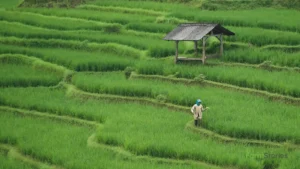
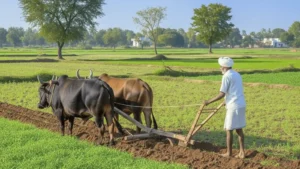
Saving seeds is more than just a gardening habit—it is a form of independence, and Kerala seed preservation techniques have helped farmers protect their crops for generations. In a region known for heavy monsoons and high humidity, storing seeds is not easy.
Constant moisture can quickly damage seeds through fungal growth, pests, or even premature sprouting. Yet, long before modern storage methods existed, farmers in Kerala had already developed simple and effective ways to preserve seeds using natural materials.
These traditional methods are practical, sustainable, and surprisingly scientific. Let’s explore how this living seed bank system continues to work perfectly in tropical conditions.
Why Seed Preservation is Difficult in Kerala
Before understanding the techniques, it is important to know the problem.
In humid climates:
Seeds absorb moisture from the air
Fungal infections spread quickly
Insects damage stored seeds
This is why proper Kerala seed preservation techniques focus mainly on:
Removing moisture
Preventing pests
Creating a stable storage environment
Kitchen Hearth Method (Adukkala Puka)
In traditional homes, you may have seen dried vegetables hanging above the kitchen fire. This is not just decoration—it is a smart storage method.
Join a community dedicated to sustainable cultivation. Subscribe to FarmStories below for free, authentic insights into modern agri-tech and organic farming methods.
Farmers store seeds inside fully matured vegetables like:
Bottle gourd
Ash gourd
Okra
Instead of removing the seeds, the whole vegetable is hung above the wood-fired stove.
Why this works:
Continuous smoke dries out moisture slowly
Heat acts like a natural drying system
Smoke protects against insects and fungus
The seeds stay safe inside the dried shell until the next planting season.
Wood Ash Method (Vennir)
For smaller seeds like:
Chilli
Brinjal
Okra
Farmers use a different method.
After drying the seeds in sunlight, they mix them with fine wood ash.
The science behind it:
Wood ash absorbs moisture from the air
It keeps seeds dry for long periods
Its alkaline nature prevents bacterial growth
It also repels insects naturally
This simple method is one of the most effective Kerala seed preservation techniques still used today.
kerala seed preservation techniques using ash, neem and traditional methods
Cow Dung Seed Pelleting (Chanakam)
This method may sound unusual, but it is incredibly effective.
Farmers coat seeds (especially gourds and beans) with fresh cow dung and shape them into small balls. These are then dried under the sun until they become hard.
Why this works:
The dried layer protects seeds from moisture
It acts as a barrier against pests
During planting, the shell softens in rain
It provides natural nutrients to the seed
This method not only preserves seeds but also supports early plant growth.
Earthen Pot Storage with Neem Leaves (Mankalam Method)
For storing large quantities of seeds, farmers use clay pots.
But they don’t store seeds directly. Instead, they follow a layering method.
How it is done:
A layer of dried neem or nochi leaves is placed at the bottom
A layer of seeds is added
The process is repeated in layers
The pot is sealed with mud and cow dung
Why this works:
Clay pots maintain stable temperature
Neem leaves repel insects
The sealed environment prevents moisture entry
This creates a safe, long-term storage system.
What Modern Farming Can Learn from These Methods
Today, many commercial seeds are treated with chemicals to prevent damage.
While effective, these methods:
Can harm soil health
Reduce biodiversity over time
Traditional Kerala seed preservation techniques offer a natural alternative:
No chemicals
Zero waste
Environment-friendly
They not only preserve seeds but also improve soil health when planted.
Kerala Seed Preservation Techniques – You Should Try Today
In humid climates like Kerala, moisture becomes the biggest enemy of stored seeds because it encourages fungal growth, rotting, and even early germination. This is why traditional farmers focused so much on drying and protecting seeds naturally. For home gardeners, one of the easiest and most effective methods is using wood ash, as it absorbs moisture and keeps seeds dry for longer periods. These traditional techniques are not outdated at all—in fact, many organic farmers still rely on them today because they are simple, low-cost, and chemical-free. When done properly, these methods can preserve seeds for one to three years or even longer, depending on the crop and storage conditions.
The beauty of Kerala seed preservation techniques lies in their simplicity and deep understanding of nature. Farmers did not rely on machines or chemicals; instead, they used what was available around them and created systems that worked perfectly even in challenging climates. What makes these methods special is not just their effectiveness, but their sustainability. They protect the seed, support the soil, and reduce dependency on external inputs. As more people move towards organic gardening and self-sufficiency, these traditional practices are slowly finding their place again. In many ways, they remind us that the future of farming does not always require new inventions—sometimes it simply requires rediscovering what we already knew.
Want to see these techniques in action? Join our growing community of urban farmers by following farmstories on LinkedIn, Instagram, YouTube, and Facebook for daily tips, video guides, and harvest inspiration!