The southwest monsoon has picked up pace across many parts of India, bringing fresh hope for the ongoing Kharif season. At the same time, the changing weather also presents new challenges. Heavy rainfall, thunderstorms, and strong winds are expected in several states over the coming days, making this an important period for farmers to monitor field conditions closely.
According to the latest IMD Monsoon Forecast for Farmers, active monsoon conditions are expected over parts of eastern, northeastern, central, and western India. Some regions may receive heavy to very heavy rainfall, while a few northern areas could continue to experience heatwave conditions before the monsoon advances further
For farmers, this forecast is more than just a weather update. It influences decisions related to sowing, irrigation, fertilizer application, pest management, and crop protection. Timely action during this period can help reduce losses and improve crop establishment.
IMD Monsoon Forecast for Farmers
Table of Contents
Which Areas Are Likely to Receive Heavy Rain?
The India Meteorological Department has issued rainfall alerts for several regions, including parts of:
Northeast India
Sub-Himalayan West Bengal and Sikkim
Konkan and Goa
Central Maharashtra (in the coming days)
Several eastern and central states
Thunderstorms accompanied by gusty winds are also expected in many areas. Farmers are advised to follow district-level weather advisories, as rainfall intensity can vary even within the same state.
What Does This Mean for Farmers?
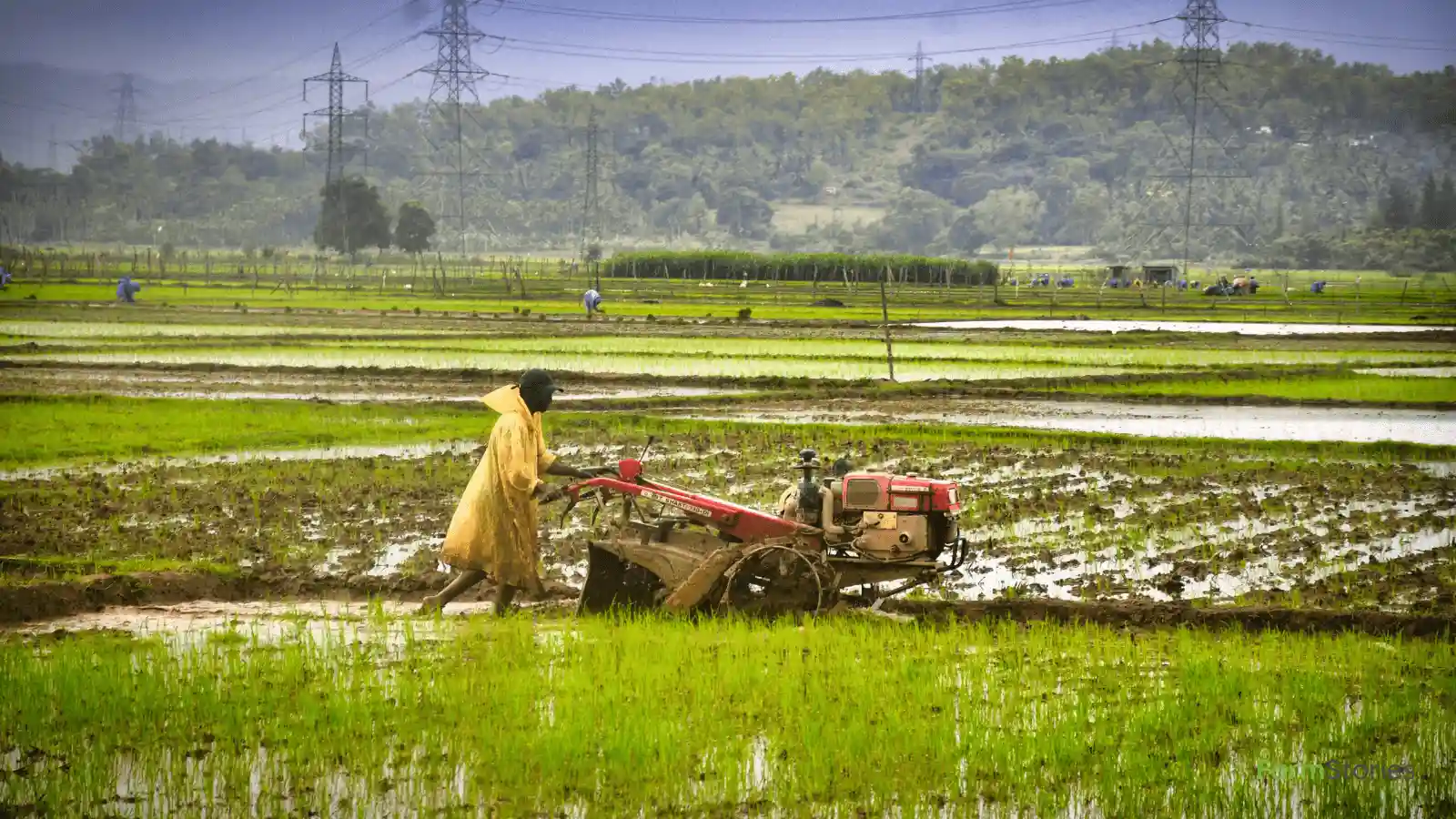
The forecast comes at a crucial stage of the Kharif season. Many farmers are preparing land, sowing crops, or managing newly emerged seedlings.
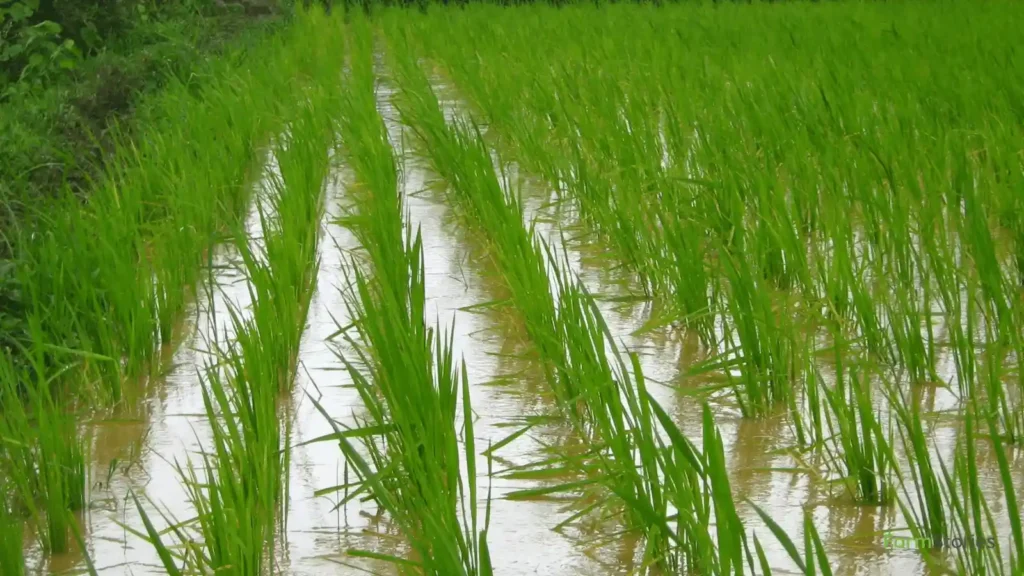
Adequate rainfall can improve soil moisture and support crop establishment, especially for rice, maize, pulses, cotton, and soybean. However, excessive rainfall over a short period may lead to waterlogging, soil erosion, nutrient loss, and an increased risk of fungal diseases.
Farmers should avoid relying on rainfall alone and instead combine weather updates with regular field inspections. Checking drainage channels, monitoring crop health, and planning field operations around the forecast can help minimize avoidable losses.
Join a community dedicated to sustainable cultivation. Subscribe to FarmStories below for free, authentic insights into modern agri-tech and organic farming methods.
Why This Forecast Matters
Weather conditions during the first few weeks of the monsoon often determine how successfully Kharif crops establish. Well-distributed rainfall supports healthy root development and reduces dependence on irrigation. On the other hand, prolonged heavy rain or sudden dry spells can delay field operations and affect crop growth.
The current IMD Monsoon Forecast for Farmers gives growers an opportunity to prepare instead of reacting after problems occur. By adjusting field activities according to local weather forecasts, farmers can protect crops, reduce unnecessary expenses, and make better use of available rainfall.
How Farmers Can Prepare for Active Monsoon Conditions
The latest IMD Monsoon Forecast for Farmers offers an opportunity to plan farm activities before heavy rainfall arrives. A few preventive measures can help protect crops, reduce input losses, and avoid unnecessary expenses.
1. Ensure Proper Field Drainage
Waterlogging is one of the biggest threats during periods of continuous rain. Standing water reduces oxygen in the soil, weakens plant roots, and creates favourable conditions for fungal diseases.
Before heavy rainfall begins:
Clean field drains and irrigation channels.
Remove blockages that prevent water from flowing out.
Check low-lying areas where water usually accumulates.
Create temporary drainage paths if necessary.
Proper drainage is especially important for crops such as soybean, groundnut, cotton, vegetables, and pulses, which are sensitive to excess moisture.
2. Delay Fertilizer Application if Heavy Rain Is Expected
Applying fertilizers just before heavy rainfall can lead to nutrient losses through runoff and leaching. This not only increases production costs but also reduces fertilizer efficiency.
Farmers should:
Check the local weather forecast before fertilizer application.
Wait until heavy rain has passed if possible.
Apply fertilizers when the soil is moist but not waterlogged.
Follow split application methods for nitrogen fertilizers whenever recommended.
Good timing helps crops absorb nutrients more effectively.
Heavy rainfall does not always reduce pest populations. In many cases, changing weather conditions encourage new infestations after the rain.
Farmers should monitor crops for:
Stem borers
Fall armyworm
Aphids
Whiteflies
Leaf folders
Regular field scouting is often more effective than waiting until damage becomes visible across the entire farm.
5. Protect Newly Sown Crops
Freshly sown fields are more vulnerable to heavy rainfall.
Excess rain may cause:
Seed displacement
Poor germination
Soil crusting
Seedling damage
If rainfall is expected immediately after sowing, farmers should inspect fields once conditions improve and carry out gap filling where necessary.
Crop-Wise Advisory for Farmers
Different crops respond differently to prolonged rainfall.
Crop
Recommended Action
Paddy
Maintain proper water levels and inspect for leaf diseases.
Maize
Prevent waterlogging and monitor fall armyworm activity.
Soybean
Improve drainage and inspect for fungal infections.
Cotton
Watch for sucking pests and avoid standing water.
Pulses
Protect young seedlings from excess moisture and root diseases.
Vegetables
Support climbing plants and improve drainage around beds.
Livestock Care During Heavy Rainfall
The monsoon also affects dairy and livestock farming.
Farmers should:
Keep animal shelters dry and well ventilated.
Avoid water stagnation around sheds.
Provide clean drinking water.
Store dry fodder in covered areas.
Watch for signs of foot infections and other moisture-related diseases.
Healthy livestock are less likely to suffer production losses during prolonged wet weather.
Practical Checklist for Farmers This Week
Based on the latest IMD Monsoon Forecast for Farmers, consider completing the following tasks:
Clean field drainage channels.
Check local weather updates before major farm operations.
Delay fertilizer application if heavy rain is expected.
Inspect crops every two to three days for pests and diseases.
Secure farm equipment and harvested produce from rain.
Protect seed stocks and fertilizers in dry storage areas.
Monitor livestock shelters and fodder storage.
Small preventive steps taken now can save both time and money later in the season.
Why Regular Weather Updates Matter
Weather conditions can change quickly during the monsoon. A forecast issued today may be updated within the next 24 hours based on new weather systems.
Instead of checking the forecast only once, farmers should follow daily district-level advisories from the India Meteorological Department and local agricultural extension services. Combining weather information with regular field observations helps farmers make better decisions about irrigation, spraying, fertilizer application, and harvesting.
The current IMD Monsoon Forecast for Farmers should be treated as a planning tool rather than a one-time update. Staying informed throughout the week can help reduce weather-related risks and improve crop management.
How the IMD Monsoon Forecast for Farmers Helps Improve Decision-Making
Using the IMD Monsoon Forecast for Farmers as part of daily farm planning can help reduce weather-related risks throughout the Kharif season. By following official rainfall updates, farmers can schedule sowing, irrigation, fertilizer application, and crop protection measures at the right time. The IMD Monsoon Forecast for Farmers also helps growers prepare for heavy rain, protect standing crops, and make better decisions based on changing weather conditions instead of reacting after damage has already occurred.
Farmers Should Follow the IMD Monsoon Forecast for Farmers Every Day
The IMD Monsoon Forecast for Farmers is updated regularly as weather systems change across the country. Instead of making decisions based on a single forecast, farmers should check daily updates before sowing, applying fertilizers, spraying crop protection products, or harvesting. Even a delay of one day in certain farm operations can help avoid unnecessary crop damage during periods of heavy rainfall.
Following the IMD Monsoon Forecast for Farmers also helps improve resource management. Better planning can reduce fertilizer losses, prevent waterlogging, and lower the risk of pest and disease outbreaks after continuous rain. Farmers who combine official weather forecasts with regular field inspections are often better prepared to protect their crops and maintain healthy growth throughout the Kharif season.
Want to see these techniques in action? Join our growing community of urban farmers by following farmstories on LinkedIn, Instagram, YouTube, and Facebook for daily tips, video guides, and harvest inspiration!