In an era of rapid urbanization and supermarket shelves filled with chemically-treated produce, the most revolutionary act you can perform is a simple one: planting a seed. A kitchen garden is no longer just a hobby for the retired; it is a vital necessity for the modern family. At FarmStories, we believe that your food shouldn’t just be fuel—it should be a story of health, sustainability, and connection.
1. The Shield Against “Silent Toxins”
The primary driver for the modern kitchen garden movement is food safety. In commercial agriculture, the pressure to produce “perfect-looking” vegetables leads to the heavy use of synthetic pesticides, fungicides, and chemical fertilizers. Many of these substances are “systemic,” meaning they are absorbed into the plant’s tissues and cannot simply be washed off.
By growing your own vegetables—whether in a backyard or in containers on a balcony—you become the “Chief Safety Officer” of your kitchen. You decide exactly what goes into the soil. Using organic compost, neem oil for pest control, and natural boosters like seaweed extract ensures that the food your family consumes is 100% free of neurotoxins and endocrine disruptors.
2. Economic Freedom: The ROI of a Seed
With global inflation hitting grocery stores hard, the cost of fresh produce has skyrocketed. Basics like chilies, tomatoes, curry leaves, ginger, and leafy greens are becoming significant monthly expenses.
Consider the Return on Investment (ROI) of a single packet of seeds:
The Cost: A packet of high-quality heirloom tomato seeds costs roughly ₹50–₹100.
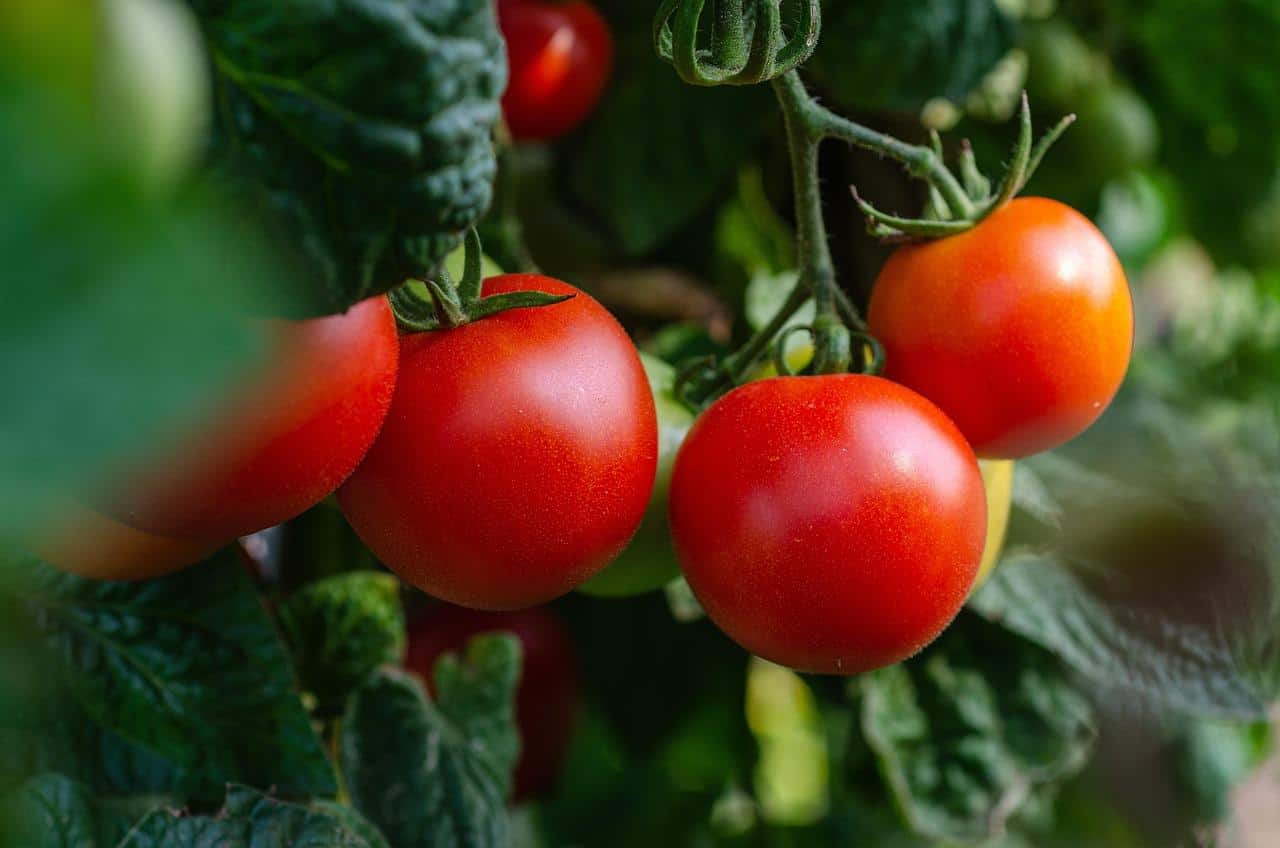
The Yield: One healthy plant can produce 5kg to 10kg of tomatoes over a season.
The Comparison: Buying 10kg of organic tomatoes at a premium store could cost you upwards of ₹800–₹1,000.
Multiply this across ten different varieties of vegetables, and your kitchen garden becomes a living savings account that pays dividends every single morning.
3. The “Garden Gym”: Science-Backed Mental Health
Gardening is nature’s most effective therapy. There is a specific science behind why we feel better when we touch the soil. Soil contains a natural bacterium called Mycobacterium vaccae. Studies have shown that when we inhale or have skin contact with this bacterium, it stimulates the production of serotonin in the brain—the same “happy chemical” targeted by antidepressants.
Join a community dedicated to sustainable cultivation. Subscribe to FarmStories below for free, authentic insights into modern agri-tech and organic farming methods.
Beyond the biology, the act of “Mindful Gardening” provides:
Stress Reduction: Lowering cortisol levels through repetitive, peaceful tasks.
Sensory Grounding: The smell of wet earth, the vibrant green of new leaves, and the physical exertion of tilling help pull us out of “digital burnout.”
Sense of Accomplishment: There is a deep psychological reward in consuming something you nurtured from a tiny seed into a life-sustaining meal.
Many consumers believe that “fresh” vegetables in a supermarket are nutritious. However, the clock starts ticking the moment a vegetable is harvested. Most commercial produce loses up to 50% of its vitamins and antioxidants within 48 to 72 hours of harvest.
When you harvest from your own kitchen garden, the “Food Miles” are reduced from hundreds of kilometers to just a few meters.
Vitamin C Retention: Leafy greens like spinach lose Vitamin C rapidly at room temperature; eating them within minutes of harvest ensures you get the maximum biological benefit.
The Flavor Factor: Commercial varieties are often bred for “toughness” to survive transport, not for flavor. A home-grown tomato is rich in natural sugars and aromatic compounds that industrial farming has lost.
A small step – Kitchen Garden
5. Environmental Responsibility and Waste Management
A kitchen garden turns your home into a closed-loop ecosystem. Instead of sending kitchen scraps (vegetable peels, eggshells, coffee grounds) to a landfill where they produce methane gas, you can turn them into “Black Gold.”
By composting at home, you:
Reduce Waste: Up to 30% of household waste is organic and can be composted.
Carbon Sequestration: Healthy garden soil traps carbon from the atmosphere.
Zero Packaging: You eliminate the need for plastic bags, clamshell containers, and the massive carbon footprint of refrigerated trucking.
6. Biodiversity: Building a Haven for Pollinators
Our global ecosystem is facing a crisis with the decline of bees, butterflies, and other pollinators. A kitchen garden—especially one that includes flowering herbs like basil, coriander, or marigolds—acts as a vital “refueling station” for these insects.
By avoiding harsh chemicals, your garden becomes a safe haven for beneficial insects that keep the local ecosystem balanced. This biodiversity doesn’t just help your garden; it helps the entire neighborhood’s environment.
7. Educational Value for the Next Generation
For families with children, a kitchen garden is the world’s best outdoor classroom. It teaches children essential life skills that are often missing in a digital-first world:
Patience: Understanding that growth takes time and cannot be “downloaded.”
Biology: Observing the lifecycle of a plant from pollination to seed production.
Empathy: Learning to care for another living thing and understanding our dependence on the Earth.
8. Food Security in an Uncertain World
The last few years have shown us that global supply chains are fragile. Whether it’s weather events, fuel price hikes, or logistics issues, the flow of food to our cities can be interrupted. Having a functional kitchen garden provides a layer of Self-Reliance. Knowing you can produce even 20% of your own food gives you a sense of security and peace of mind that no supermarket loyalty card can offer.
How to Start Your Journey with FarmStories
You don’t need a massive farm to experience these benefits. You can start with:
The Window Sill: Herbs like mint and coriander.
The Balcony: Vertical planters for chilies and spinach.
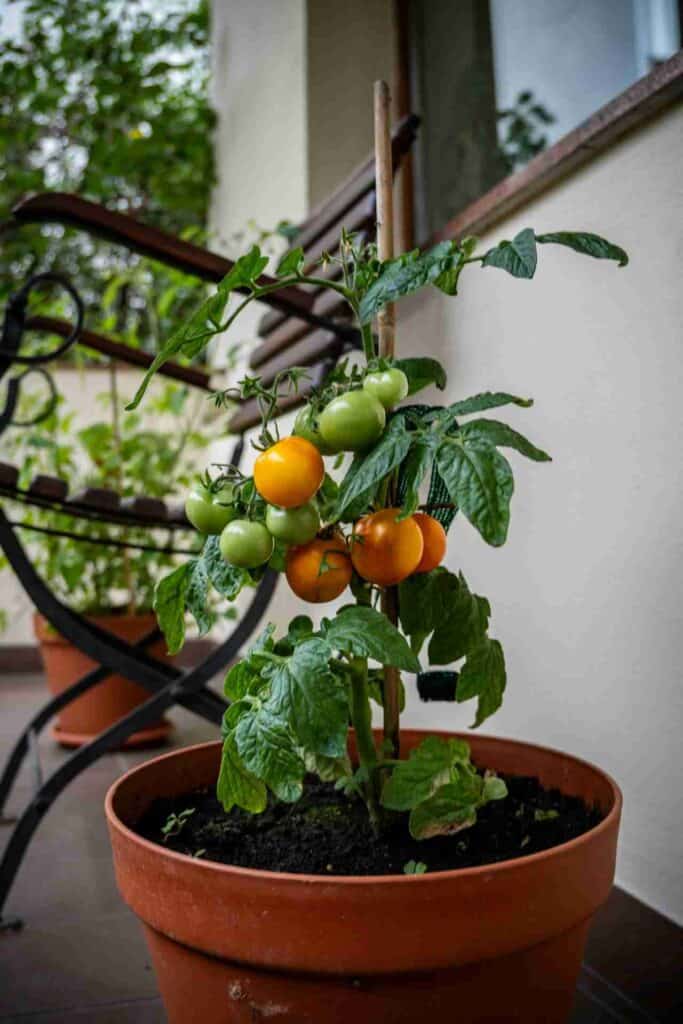
The Terrace: Grow bags for tomatoes, brinjals, and ladies’ finger.
Starting a kitchen garden is an investment in your health, your finances, and the planet’s future. It is a journey of a thousand miles that begins with a single pot. At FarmStories, we are here to walk that path with you, sharing the techniques, the struggles, and the incredible harvests along the way.