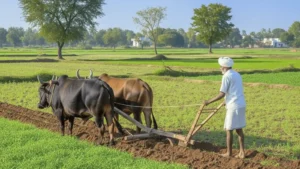
Paddy, rubber, sugarcane — these crops built generations of farming families. But right now, many of those same families are losing money on them. Input costs keep climbing, rainfall has become unpredictable, and market prices offer very little cushion for small landholders. That’s the reality on the ground.
The medicinal plants farming in India scope is where many of these farmers are quietly turning. Not as a gamble — but as a calculated shift toward crops that command premium prices, attract corporate buyers, and carry government support. If you own cultivable land and haven’t yet looked at herbal agriculture seriously, this guide is for you.
Why the Medicinal Plants Farming in India Scope Is Expanding in 2026
The supply chain story here is straightforward. Companies like Dabur, Patanjali, Kottakkal Aryavaidyasala, etc need thousands of metric tons of raw herbs every year. For decades, much of that supply came from wild forest collection. But forest degradation and tighter conservation regulations have largely shut that door. These companies now have no choice but to source directly from cultivated farms.
That structural shift is permanent. It isn’t driven by a wellness trend — it’s driven by necessity.
Export demand adds to this. Europe, North America, and East Asia import large quantities of Indian plant extracts, essential oils, and dried root powders. Premium-grade produce consistently finds strong buyers. And programs like the National Medicinal Plants Board (NMPB) provide subsidies, quality seeds, and technical training to help farmers enter this sector with reduced financial risk.
5 High-Income Crops Within the Medicinal Plants Farming in India Scope
1. Ashwagandha (Withania somnifera)
Here’s a crop that thrives where most others struggle. Ashwagandha grows in semi-arid conditions — low irrigation, sandy-loam soil, pH between 7.5 and 8.0 — making it ideal for dry belt regions in Madhya Pradesh, Rajasthan, and parts of Karnataka.
You plant in late August or September, after the early monsoon recedes. The crop matures in 150 to 180 days, when the leaves dry out and the berries turn bright orange-red. Roots are then harvested, washed, and shade-dried before grading. An investment of roughly ₹12,000 per acre can return ₹60,000 to ₹1,00,000 in net profit. The global nutraceuticals market keeps demand for this root high and consistent year-round.
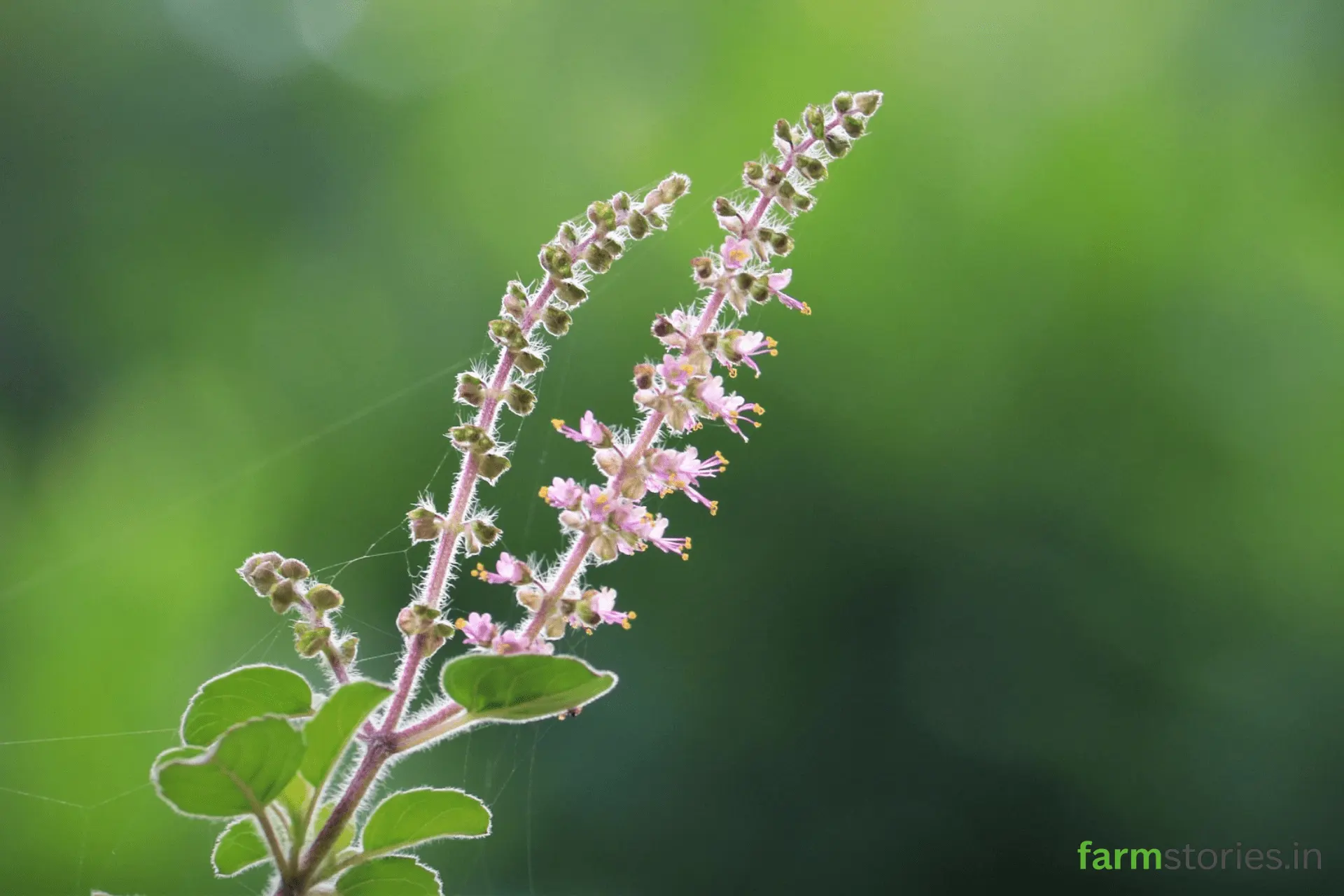
2. Tulsi (Ocimum sanctum)
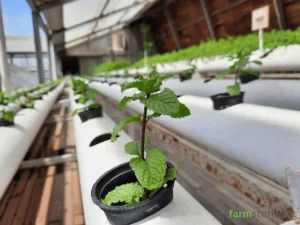
Nobody should overlook Tulsi as a starting crop. It’s fast, forgiving, and constantly in demand for herbal teas, cough syrups, and essential oil extraction.
Join a community dedicated to sustainable cultivation. Subscribe to FarmStories below for free, authentic insights into modern agri-tech and organic farming methods.
Raise seedlings in nursery beds and transplant at 45 × 45 cm spacing. The first harvest comes around 90 days after transplanting, with follow-up cuts every 75 days. A single acre yields roughly 2,000 kg of dried leaves annually, translating to ₹40,000 to ₹80,000 net. And because Tulsi fights off most common pests on its own, your input costs stay low.
3. Aloe Vera (Aloe barbadensis)
Got dry or semi-arid land with poor irrigation? Aloe Vera is built for exactly that situation. Cosmetics companies, skincare brands, and health drink manufacturers all need it — and supply from cultivated farms can’t keep up with demand.
Propagate using root suckers planted at around 20,000 units per acre. The first leaves mature in 12 to 15 months, but here’s the real advantage: one planting continues producing for up to 5 years. You harvest thick outer leaves every three months. Once fully established, net profits run between ₹1,00,000 and ₹2,00,000 per acre annually. The long production cycle means your replanting costs are near zero.
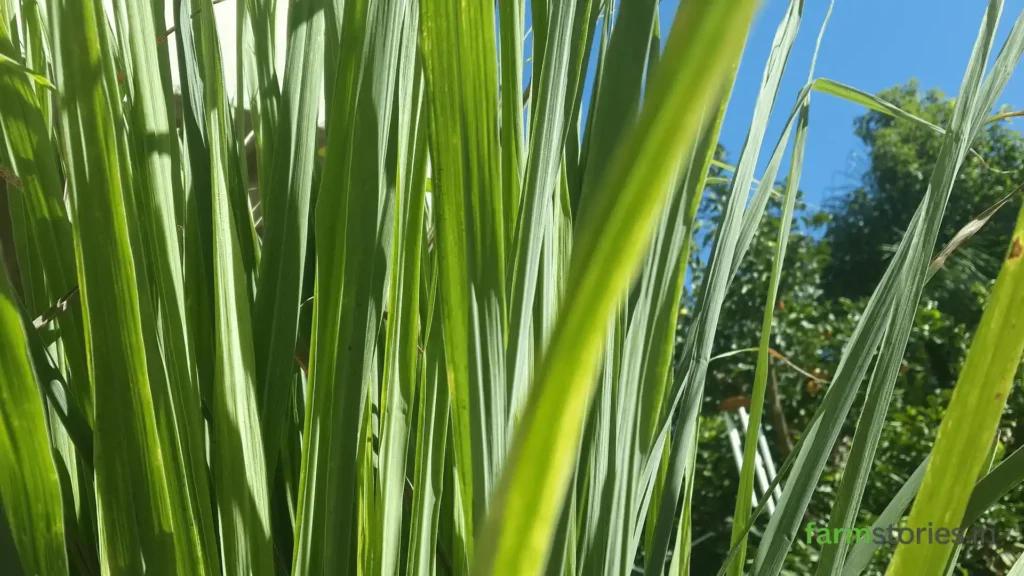
4. Lemongrass (Cymbopogon citratus)
Most medicinal crops expose you to post-harvest spoilage risk. Lemongrass sidesteps that problem entirely — because you don’t sell the leaves, you distill them into essential oil right on or near the farm.
The grass grows vigorously in poor, sandy soils and handles heat well. Plant slips in ridges to prevent crown-level water accumulation. First harvest is ready within 90 days, with cuts every 60 to 90 days for up to four years. A well-managed acre produces 80 to 100 litres of oil per year, selling quickly to fragrance, soap, and pharmaceutical manufacturers. Annual returns consistently cross ₹80,000 per acre.
Lemon Grass
5. Kalmegh (Andrographis paniculata)
Nobody talks about Kalmegh as much as they should. Called the “King of Bitters,” this crop saw huge demand surge through the immunity supplement market — and it requires almost no capital to start.
Kalmegh handles partial shade efficiently, which makes it an excellent candidate for intercropping in young orchut or coconut plantations. The crop matures in just 120 days. You cut the entire plant a few inches above the ground as it begins to flower — that’s when its medicinal compounds peak. Sun-dry the harvested biomass until moisture drops below 10%. Quick turnaround, low cost, safe entry. For someone testing herbal farming for the first time, this is probably the right starting crop.
The Biggest Mistake in Medicinal Plants Farming in India
Many farmers enter this sector with real enthusiasm. They clear the field, buy seeds, raise a beautiful crop — and only then start searching for a buyer. That’s a problem.
Raw medicinal herbs are not like paddy or sugarcane. You can’t drop them at a government mandi for a fixed support price. Buyers want specific varieties, specific moisture levels, specific grading standards. If your produce doesn’t match what they need, you’ll accept whatever price a middleman offers.
So reverse the workflow. Before planting a single seed, visit local herbal traders, contact procurement officers at Ayurvedic processing firms, or explore formal contract farming agreements. Secure your buyer first. Then grow exactly what they want.
A Practical Strategy to Enter Medicinal Plants Farming in India
You don’t need to convert your entire farm overnight. Start with a quarter-acre or half-acre of one crop — Tulsi or Kalmegh make the most sense for beginners — and use that first season to understand the plant’s growth habits, learn drying techniques, and build trade connections without risking your full income.
My observation from watching growers across Kerala is that on-farm processing changes the financial picture completely. Selling fresh leaves makes you vulnerable to spoilage and transport costs. But invest in a simple solar drying yard, or collaborate with a few nearby farmers to share a basic distillation unit, and you transform a perishable crop into a stable, high-value product.
Consider what smallholder groups in Wayanad have done. Instead of selling wet ginger and turmeric to middlemen, they wash, slice, and sun-dry their harvests using basic farm setups. Then they sell directly to premium wellness brands at roughly double the raw market rate. That same approach applied to medicinal herbs captures the full financial potential this sector offers.
Medicinal Plants Farming in India: Scope, Planning, and Your Next Step
Crop
Maturity Period
Net Income Per Acre/Year
Best Soil Type
Ashwagandha
150–180 days
₹60,000–₹1,00,000
Sandy-loam, well-drained
Tulsi
90 days (first cut)
₹40,000–₹80,000
Loam, adaptable
Aloe Vera
12–15 months (first harvest)
₹1,00,000–₹2,00,000
Sandy, high drainage
Lemongrass
90 days (first cut)
₹80,000+
Poor sandy, hardy
Kalmegh
120 days
₹35,000–₹50,000
Sandy-clay, shade tolerant
Check your local soil type, assess water availability, and speak to buyers in your area before you decide. The medicinal plants farming in India scope is expanding faster than most people realise — but the farmers who benefit most are the ones who plan before they plant.
How to Get Started in Medicinal Plants Farming in India
The path into medicinal plants farming in India does not need to be complicated. Here is a simple four-step approach that works for most first-time growers.
Step 1: Identify Your Focus Crop Based on Your Soil and Climate
Don’t try to grow everything at once. Match one crop to your existing conditions. Sandy, well-drained soil in a dry region points clearly toward Ashwagandha or Aloe Vera. Humid tropical land in Kerala or coastal Karnataka suits Tulsi and Kalmegh well. Lemongrass works almost anywhere with good drainage.
Step 2: Secure a Buyer Before You Plant
Contact local herbal traders, Ayurvedic processing companies, or cooperative buyers in your area. Ask what variety they want, what moisture content they require, and what price they pay per kilogram. This one conversation will save you from making an expensive mistake at harvest time.
Step 3: Prepare for Post-Harvest Processing
A solar drying yard, shade net structure, or access to a shared distillation unit will determine how much of the final value you capture. Raw fresh produce earns you the lowest price. Dried, graded, or processed output earns significantly more.
Step 4: Register with NMPB and Your State Horticulture Department
Registering as a medicinal crop farmer opens access to subsidies, certified planting material, and buy-back arrangements through government-linked channels. This step costs nothing and can significantly reduce your input expenses in the first year.
The medicinal plants farming in India scope rewards those who approach it methodically. Your land, properly managed with the right crop and the right market connection, can generate returns that traditional cash crops simply cannot match in 2026.
Want to see these techniques in action? Join our growing community of urban farmers by following farmstories on LinkedIn, Instagram, YouTube, and Facebook for daily tips, video guides, and harvest inspiration!