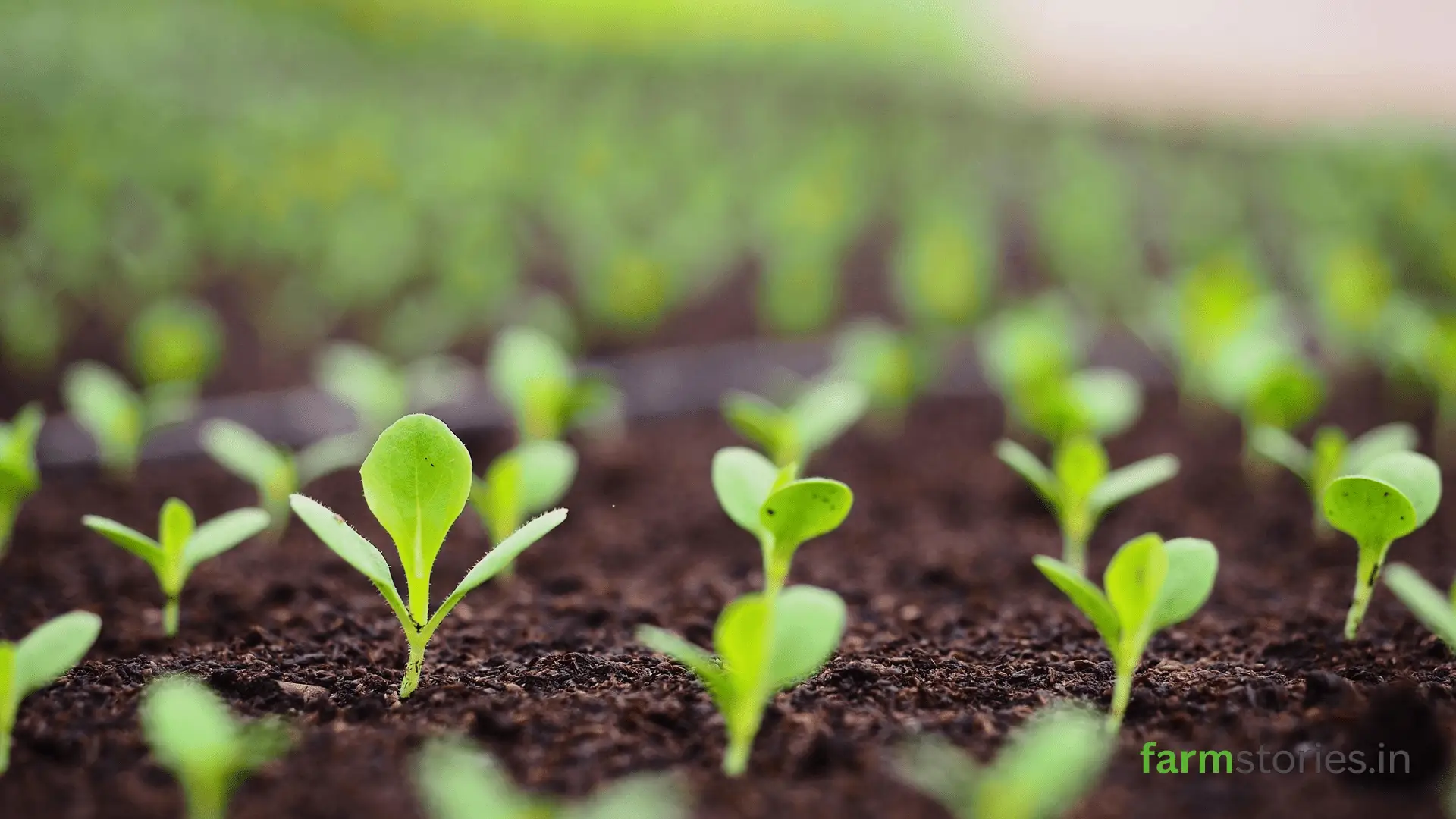
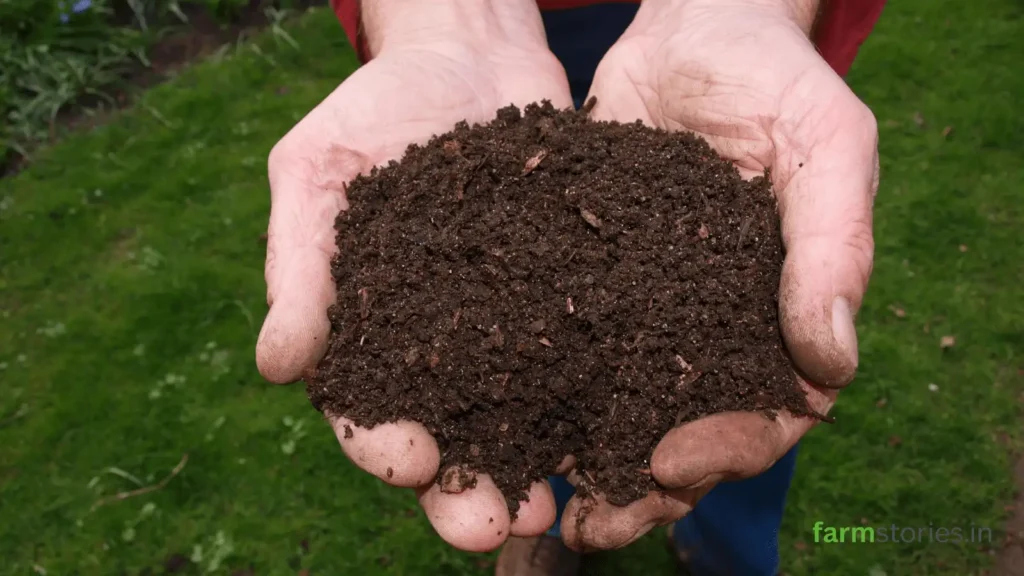
Biofertilizers are living microorganisms that naturally improve soil fertility by increasing the availability of essential nutrients for plants. Unlike chemical fertilizers, which supply nutrients directly, biofertilizers work with natural soil processes to support healthy plant growth, strengthen root development, and maintain long-term soil productivity.
As farmers look for sustainable ways to improve crop yields while reducing production costs, biofertilizers have become an important part of modern agriculture. They help fix atmospheric nitrogen, dissolve unavailable phosphorus, stimulate beneficial microbial activity, and improve nutrient uptake without harming the environment.
These natural inputs are widely used in organic farming, integrated nutrient management, horticulture, and home gardening. They can be applied to cereals, pulses, vegetables, fruits, oilseeds, plantation crops, and ornamental plants.
In this guide, you’ll learn what biofertilizers are, how they work, the different types available, their benefits, applications, limitations, and best practices for achieving healthy crops and fertile soil.
Quick Summary: Biofertilizers are beneficial microorganisms that improve nutrient availability, support soil microbes, and promote healthy plant growth. They are an eco-friendly alternative that complements organic farming and sustainable agriculture.
What Are Biofertilizers?
Biofertilizers are preparations containing beneficial microorganisms such as bacteria, fungi, or algae that enhance plant growth by making nutrients more available in the soil. Once applied to seeds, roots, or soil, these microorganisms multiply around the plant’s root zone and establish a beneficial relationship with the crop.
Instead of replacing good soil management, they improve the efficiency of natural nutrient cycles. This reduces dependence on synthetic fertilizers while maintaining soil fertility over time.
Join a community dedicated to sustainable cultivation. Subscribe to FarmStories below for free, authentic insights into modern agri-tech and organic farming methods.
How Do Biofertilizers Work?
Beneficial microorganisms perform several important functions in the soil.
They can:
Fix atmospheric nitrogen into forms plants can absorb.
Dissolve insoluble phosphorus present in the soil.
Improve potassium availability.
Produce natural plant growth-promoting substances.
Increase root development.
Stimulate beneficial microbial activity.
Improve nutrient absorption.
Enhance soil biological health.
These processes occur naturally and help create a healthier growing environment without excessive chemical inputs.
Why Are Biofertilizers Important?
Healthy soil depends on a diverse community of microorganisms. Modern farming practices, excessive chemical use, and soil degradation can reduce microbial diversity over time.
Using biofertilizers helps restore this balance while supporting sustainable crop production.
Some key advantages include:
Improved soil fertility
Better nutrient availability
Reduced dependence on chemical fertilizers
Enhanced root growth
Improved crop quality
Better soil biological activity
Environmentally friendly farming
Long-term sustainability
Biofertilizers work best when combined with good agricultural practices such as adding compost, maintaining soil organic matter, and following crop rotation.
Types of Biofertilizers
Different microorganisms perform different functions. Selecting the right product depends on the crop, soil condition, and nutrient requirement.
Biofertilizers contain beneficial microorganisms that improve nutrient availability, enhance soil fertility, and support healthy crop growth naturally.
Nitrogen-Fixing Biofertilizers
Nitrogen is one of the most important nutrients for plant growth. Certain beneficial bacteria convert atmospheric nitrogen into forms plants can use.
Examples include:
Rhizobium
Azotobacter
Azospirillum
These microorganisms reduce the need for nitrogen fertilizers and improve plant growth naturally.
Phosphate-Solubilizing Biofertilizers
Although phosphorus may already be present in the soil, much of it remains unavailable to plants.
Phosphate-solubilizing microorganisms release organic acids that convert unavailable phosphorus into forms that roots can absorb.
This improves root development, flowering, and crop productivity.
Mycorrhizal Biofertilizers
Mycorrhizal fungi develop a symbiotic relationship with plant roots.
Benefits include:
Better phosphorus uptake
Improved drought tolerance
Stronger root systems
Increased resistance to environmental stress
Improved nutrient absorption
These fungi are widely used in horticulture, orchards, forestry, and vegetable cultivation.
Benefits of Biofertilizers
Biofertilizers provide advantages that go beyond supplying nutrients. They improve the biological activity of soil, support healthy plant development, and contribute to sustainable farming systems. When used correctly, they can increase productivity while reducing the environmental impact of agriculture.
1. Improve Soil Fertility
Beneficial microorganisms continuously recycle nutrients and enhance soil biological activity. Over time, this improves soil structure and maintains long-term fertility.
Healthy soil also supports stronger root systems and better crop establishment.
2. Increase Nutrient Availability
Many nutrients already exist in the soil but remain unavailable to plants.
Certain microorganisms:
Fix atmospheric nitrogen
Solubilize phosphorus
Mobilize potassium
Improve micronutrient uptake
This allows crops to absorb nutrients more efficiently.
3. Reduce Chemical Fertilizer Use
One of the biggest advantages is reducing dependence on synthetic fertilizers.
Although they do not completely replace chemical fertilizers in every situation, they can significantly reduce the quantity required, especially when combined with organic manure and good soil management practices.
4. Promote Healthy Root Growth
Many beneficial microorganisms produce natural plant growth-promoting substances that stimulate root development.
Stronger roots help plants:
Absorb more nutrients
Access deeper soil moisture
Tolerate drought better
Grow more vigorously
5. Improve Crop Yield and Quality
Healthy roots and better nutrient uptake often lead to:
Uniform crop growth
Improved flowering
Better fruit and grain development
Higher market quality
Increased yields under suitable growing conditions
6. Support Sustainable Agriculture
Biofertilizers reduce nutrient losses and encourage natural nutrient cycling. They fit well into sustainable farming systems that focus on protecting soil health and reducing environmental pollution.
Biofertilizers contain beneficial microorganisms that improve nutrient availability, enhance soil fertility, and support healthy crop growth naturally.
Applications of Biofertilizers
These products are suitable for a wide range of agricultural systems.
Common applications include:
Field crops
Vegetable farming
Fruit orchards
Plantation crops
Organic farming
Kitchen gardens
Nursery production
Floriculture
Farmers growing rice, wheat, maize, pulses, sugarcane, cotton, coconut, banana, spices, and vegetables can benefit from selecting the appropriate microbial inoculant for their crop.
Methods of Application
Proper application improves the survival of beneficial microorganisms and increases their effectiveness.
Seed Treatment
Seeds are coated with the recommended microbial culture before sowing.
This method:
Protects young seedlings
Promotes early root development
Improves nutrient uptake
Encourages healthy plant establishment
It is widely used for cereals, pulses, and oilseed crops.
Seedling Root Dip
For transplanted crops, seedlings can be dipped in a prepared biofertilizer suspension before planting.
This method is commonly used for:
Paddy
Tomato
Chilli
Brinjal
Cabbage
Cauliflower
The microorganisms colonize the root zone soon after transplanting.
Soil Application
Biofertilizers can also be mixed with compost or well-decomposed farmyard manure before being spread across the field.
This method helps distribute beneficial microorganisms evenly throughout the root zone.
For best results:
Apply during cool weather.
Maintain adequate soil moisture.
Avoid direct sunlight during application.
Best Practices for Using Biofertilizers
Following a few simple practices improves their performance.
Purchase products from reliable manufacturers.
Check the expiry date before use.
Store packages in a cool, shaded place.
Follow the recommended dosage.
Apply to moist soil whenever possible.
Combine with compost or organic manure.
Avoid mixing directly with strong chemical pesticides.
Use fresh products for maximum microbial activity.
While biofertilizers offer many benefits, they also have certain limitations.
Slower Results
Unlike chemical fertilizers, beneficial microorganisms need time to establish themselves in the soil before showing visible effects.
Environmental Conditions Matter
Their performance depends on:
Soil temperature
Moisture
Soil pH
Organic matter content
Poor conditions may reduce microbial survival.
Proper Storage Is Essential
High temperatures and direct sunlight can damage living microorganisms.
Always follow storage instructions provided by the manufacturer.
Not a Complete Replacement
Biofertilizers should be viewed as part of an integrated nutrient management strategy rather than a complete substitute for all fertilizers.
Combining them with compost, organic manure, and balanced fertilizer application generally produces better long-term results.
Biofertilizers vs Chemical Fertilizers
Feature
Biofertilizers
Chemical Fertilizers
Source
Living microorganisms
Manufactured chemicals
Nutrient Supply
Improve nutrient availability
Direct nutrient supply
Soil Health
Improves biological activity
May reduce soil health with excessive use
Environmental Impact
Low
Higher if overused
Long-Term Effect
Improves soil fertility
May contribute to nutrient imbalance
Cost
Generally economical over time
Ongoing recurring cost
Sustainability
High
Moderate to low depending on management
Biofertilizers contain beneficial microorganisms that improve nutrient availability, enhance soil fertility, and support healthy crop growth naturally.
Frequently Asked Questions (FAQs)
What are biofertilizers?
Biofertilizers are products that contain beneficial microorganisms such as bacteria, fungi, or algae. These microorganisms improve nutrient availability in the soil, promote healthy root growth, and support sustainable crop production.
How do biofertilizers improve plant growth?
They enhance plant growth by fixing atmospheric nitrogen, solubilizing phosphorus, mobilizing nutrients, and increasing the efficiency of nutrient uptake. Some microorganisms also produce natural substances that stimulate root development.
Can biofertilizers replace chemical fertilizers?
Biofertilizers can reduce the need for chemical fertilizers, but they usually work best as part of an integrated nutrient management plan. Combining them with compost, organic manure, and balanced fertilizer application often gives the best long-term results.
Which crops benefit from biofertilizers?
Biofertilizers can be used for many crops, including:
Rice
Wheat
Maize
Pulses
Sugarcane
Cotton
Vegetables
Fruit crops
Plantation crops
Spices
The choice of biofertilizer depends on the crop and soil conditions.
How should biofertilizers be stored?
Store biofertilizers in a cool, dry, and shaded place away from direct sunlight and excessive heat. Always check the expiry date before use and follow the manufacturer’s storage instructions.
Are biofertilizers safe for organic farming?
Yes. Most biofertilizers are approved for use in organic farming because they contain naturally occurring beneficial microorganisms and help improve soil fertility without leaving harmful chemical residues.
Biofertilizers usually take longer to produce visible results than chemical fertilizers because the microorganisms need time to establish themselves in the soil. Their benefits become more noticeable with regular use and good soil management practices.
What is the difference between biofertilizers and organic fertilizers?
Organic fertilizers are natural materials such as compost, farmyard manure, and vermicompost that directly add organic matter and nutrients to the soil. Biofertilizers contain living microorganisms that help plants access nutrients already present in the soil. Using both together often provides the best results.
Biofertilizers are an important component of sustainable agriculture because they improve soil fertility through natural biological processes rather than relying solely on synthetic inputs. By increasing nutrient availability, encouraging beneficial microbial activity, and promoting healthy root development, they help farmers produce healthier crops while protecting soil health for future generations.
Whether you manage a large farm or a small kitchen garden, incorporating biofertilizers into your nutrient management plan can improve long-term productivity and reduce dependence on chemical fertilizers. When combined with compost, organic manures, crop rotation, and proper soil care, they contribute to a more resilient and environmentally responsible farming system.
Adopting these practices today helps build fertile soils, healthier crops, and a more sustainable future for agriculture.
Want to see these techniques in action? Join our growing community of urban farmers by following farmstories on LinkedIn, Instagram, YouTube, and Facebook for daily tips, video guides, and harvest inspiration!