When transitioning from traditional in-ground farming to container gardening or terrace farming, the very first hurdle you will face happens right at the root level. You cannot simply scoop up ordinary soil from your backyard, dump it into a grow bag, and expect your plants to thrive.
In-ground soil is dense, heavy, and packed with clay particles. When confined to the tight spaces of a plastic grow bag or a terracotta pot, ordinary ground mud compacts like concrete after just a few waterings. This suffocates the root system, stalls water drainage, and leaves your crops prone to root rot.
To achieve maximum yields on a terrace or balcony, you must construct a lightweight, well-aerated, and nutrient-dense growing medium. Here is the definitive guide to creating the perfect potting mix and mastering the critical N-P-K ratios your plants need to flourish. This is why choosing or blending the right perfect potting mix makes all the difference between a dying seedling and a massive harvest.
Why Container Plants Demand a Specialized Mix
In a traditional garden plot, plant roots can spread deep and wide to search for moisture, oxygen, and trace minerals. In a container, however, your plant’s entire world is limited to a few gallons of space.
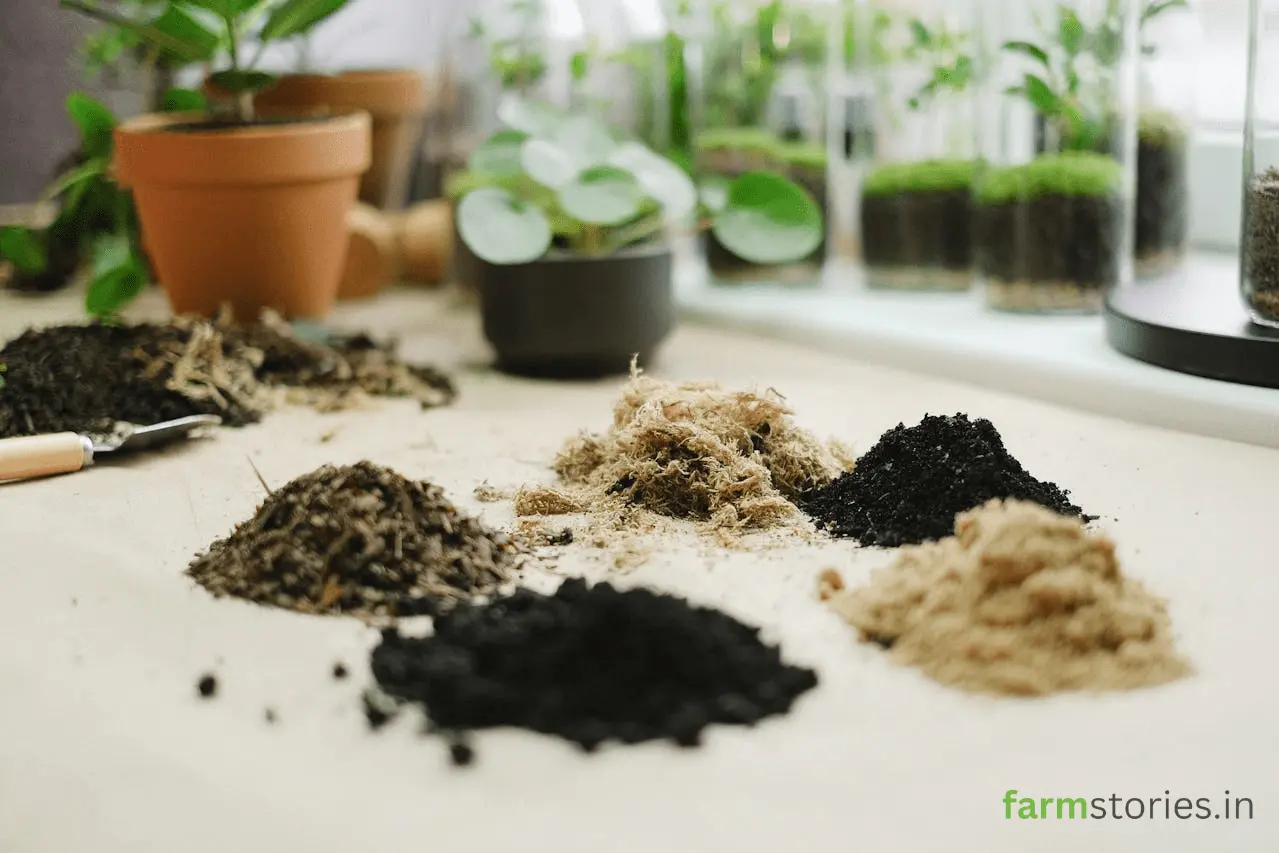
When engineering a perfect potting mix, you have to look beyond just dirt and balance three competing physical properties:
Aeration: The roots need pockets of oxygen to “breathe” and perform cellular respiration.
Moisture Retention: The medium must hold enough water to keep the plant hydrated under hot afternoon sun.
Instant Drainage: Excess water must pass straight through the container to prevent stagnant pools that breed fungal pathogens.
By blending distinct structural ingredients, you can build a perfect potting mix that hits all three requirements effortlessly.
The Ultimate 1:1:1 Perfect Potting Mix Recipe
The most reliable, time-tested framework for home vegetable cultivation relies on an equal-parts formula. To build this foundational perfect potting mix, blend the following components thoroughly by volume:
1. One Part Topsoil or Clean Garden Soil
This forms the heavy mineral base of your mix. It gives the plant roots structural stability, ensuring the wind doesn’t easily topple your crops. Always use topsoil from a clean source, ideally free from aggressive weed seeds and debris.
Join a community dedicated to sustainable cultivation. Subscribe to FarmStories below for free, authentic insights into modern agri-tech and organic farming methods.
2. One Part Washed Cocopeat (Coir Pith)
Cocopeat is the ultimate secret weapon for container growers. Made from processed coconut husks, it acts like a microscopic sponge, holding up to nine times its weight in water. Because it is incredibly fluffy and lightweight, it keeps the soil loose and perfectly aerated over long periods.
3. One Part Rich Organic Compost
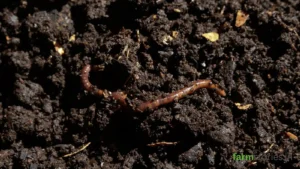
This is where your plants get their foundational nutrition. You can use well-aged cow dung powder, high-grade vermicompost (earthworm castings), or home-brewed kitchen waste compost. This component inoculates your perfect potting mix with beneficial microbes that break down nutrients for root absorption.
Pro-Tip Additive: To neutralize the natural acidity of cocopeat and fortify the soil against soil-borne pests, add roughly 50 grams of agricultural lime (or dolomite) and a handful of neem cake powder per grow bag during the mixing process.
Demystifying N-P-K Ratios for Maximum Yields
Once your physical soil structure is ready, you need to understand chemical nourishment. Every commercial organic fertilizer pack or liquid nutrient supplement features three prominent numbers separated by dashes (e.g., 5-10-5 or 1-1-1). This is the N-P-K ratio, representing the percentage of Nitrogen, Phosphorus, and Potassium inside. To keep your perfect potting mix working efficiently, you must feed it based on the plant’s growth stage.
An easy way to remember how N-P-K works throughout a plant’s life cycle is the simple catchphrase: “Up, Down, and All Around.”
  [N] Nitrogen   -->  "UP"       (Foliage, Stems, and Deep Green Leaves)
  [P] Phosphorus -->  "DOWN"     (Roots, Flower Buds, and Early Blooms)
  [K] Potassium  -->  "ALL AROUND" (Immunity, Fruit Size, and Cell Health)
Want healthy plants and massive yields? Master your container garden by building the perfect potting mix and understanding essential organic N-P-K ratios.
N – Nitrogen: The “Up” Booster
Nitrogen fuels everything that grows above the ground. It is the primary engine behind chlorophyll production, giving your spinach, mint, and curry leaves that rich, deep green color.
When it is critical: During the early vegetative stage, when a young seedling is building its main stalks and branches.
Signs of deficiency: Stunted growth and older leaves turning a pale, washed-out yellow.
P – Phosphorus: The “Down” and “Out” Booster
Phosphorus works aggressively underground to trigger expansive, fibrous root structures. Later in the plant’s life, it shifts its energy outward to stimulate uniform flower buds and fruit sets.
When it is critical: Essential during transplanting to prevent root shock, and absolutely mandatory right before your tomatoes and chillies begin to flower. Without phosphorus, blossoms will simply drop off without turning into vegetables.
Signs of deficiency: Purplish tints on the undersides of leaves and poor flower production.
K – Potassium: The “All Around” Regulator
Potassium acts as the plant’s internal quality control manager. It regulates the opening and closing of stomata (the pores through which leaves breathe water vapor), builds thick cell walls to resist pests, and pumps sugars into developing vegetables to make them larger and tastier.
When it is critical: Highly demanded during the final fruiting stage when vegetables are swelling in size.
Signs of deficiency: Scorched or curling leaf edges and small, flavorless, or hollow crops.
Step-by-Step Guide to Blending the Perfect Potting Mix
For the absolute best results, do not plant seeds the exact same day you mix your soil. Follow this professional curing process to prepare your homemade perfect potting mix:
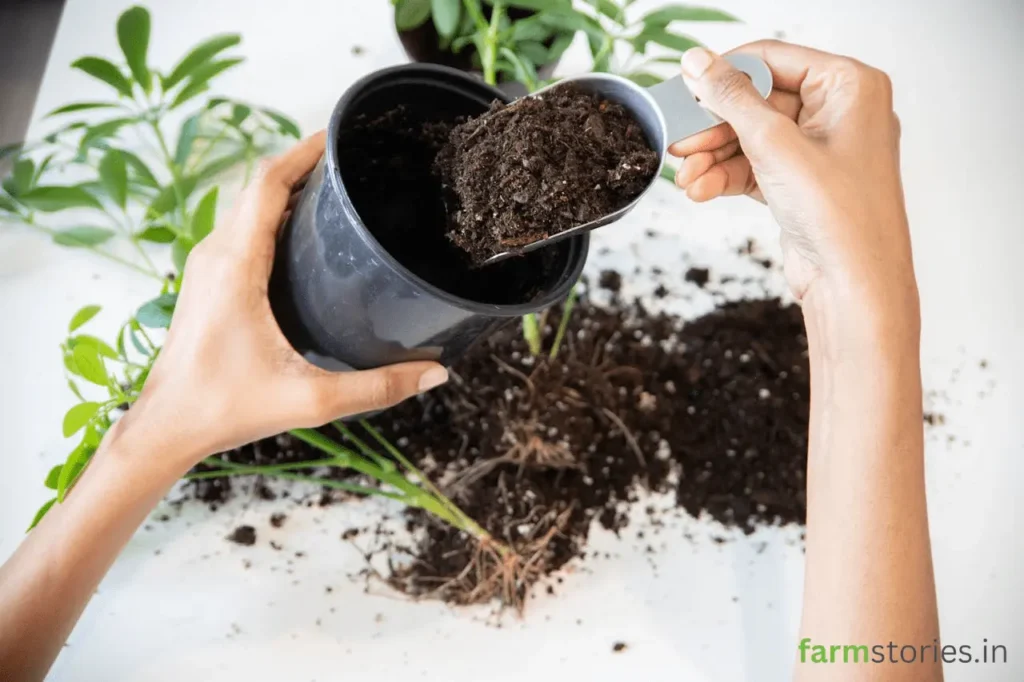
Spread and Blend: Lay down a large tarp on your terrace. Dump your soil, cocopeat, and compost in equal piles. Toss them together with a spade until the color is perfectly uniform.
Moisten and Cover: Sprinkle water over the pile until it feels like a wrung-out sponge—damp but not muddy. Cover the pile with a plastic sheet.
Let it Cook: Leave the mix covered for 7 to 10 days. This allows the lime to stabilize the pH and gives the compost’s microbial colony time to wake up and enrich the medium.
Fill and Plant: Uncover, turn the soil one more time to let oxygen in, fill your grow bags, and begin your planting journey.
Maintaining Nutrients in the Long Run
Because container gardening requires routine watering, soluble nutrients naturally leach out of the drainage holes over time. A standard perfect potting mix can generally feed a heavy-feeding plant like a hybrid chilli for only about 3 to 4 weeks before running low.
To keep your container garden producing indefinitely, implement a bi-weekly feeding routine. Every 14 days, gently scratch the top two inches of soil in your grow bag and mix in a handful of fresh vermicompost paired with a tablespoon of bone meal (for a natural, slow-release phosphorus boost). Supplementing your perfect potting mix with a diluted liquid organic drench, like fermented peanut cake water, to keep your crops vibrant, green, and heavy with produce.
Looking for the right starting point? If your soil mix is ready to go, make sure you pair it with the right crop varieties. Check out our detailed guide on choosing between [High-Yield Hybrid vs. Traditional Heirloom Seeds] to find the perfect match for your new setup!
Want to see these techniques in action? Join our growing community of urban farmers by following farmstories.in on LinkedIn, Instagram, YouTube, and Facebook for daily tips, video guides, and harvest inspiration!