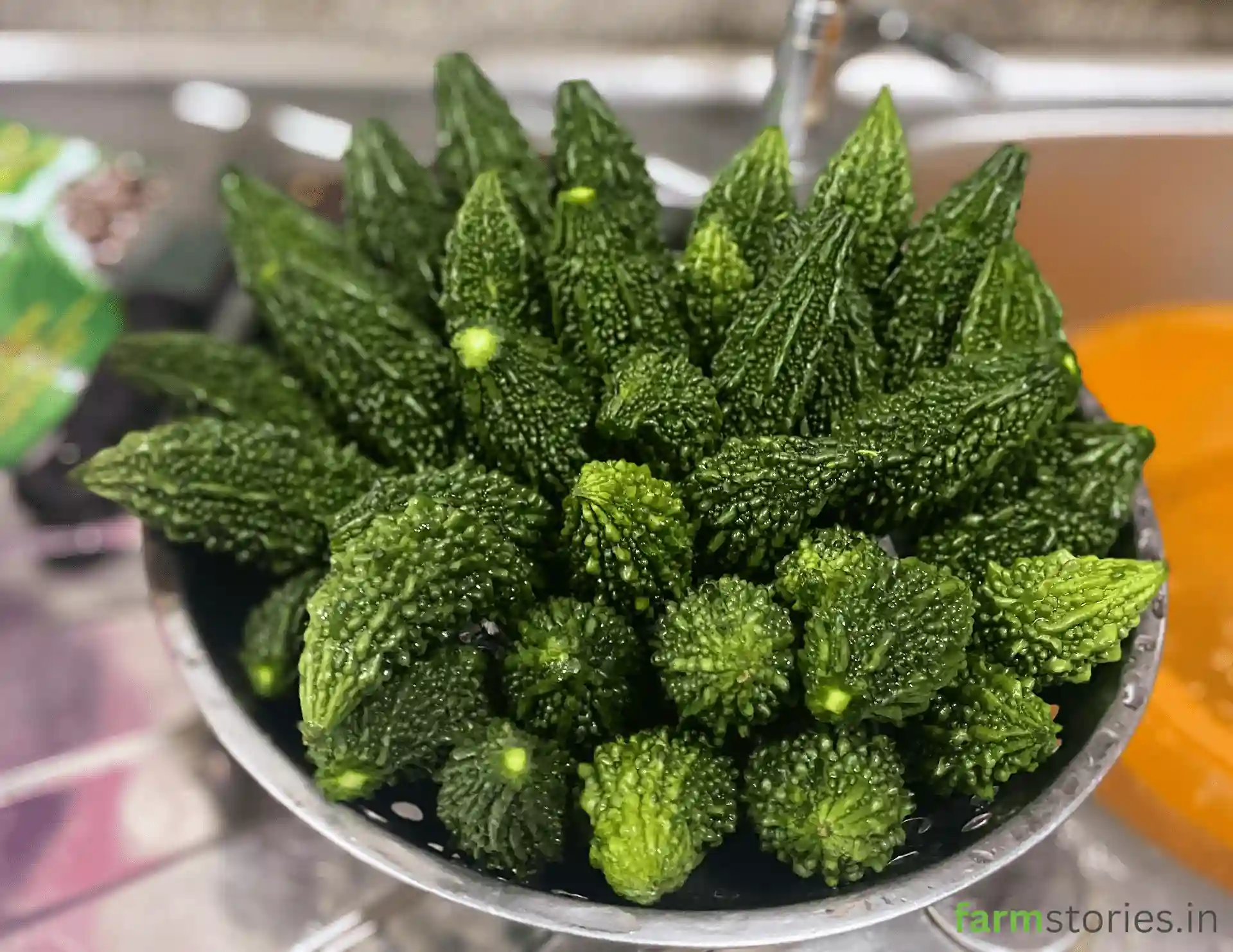
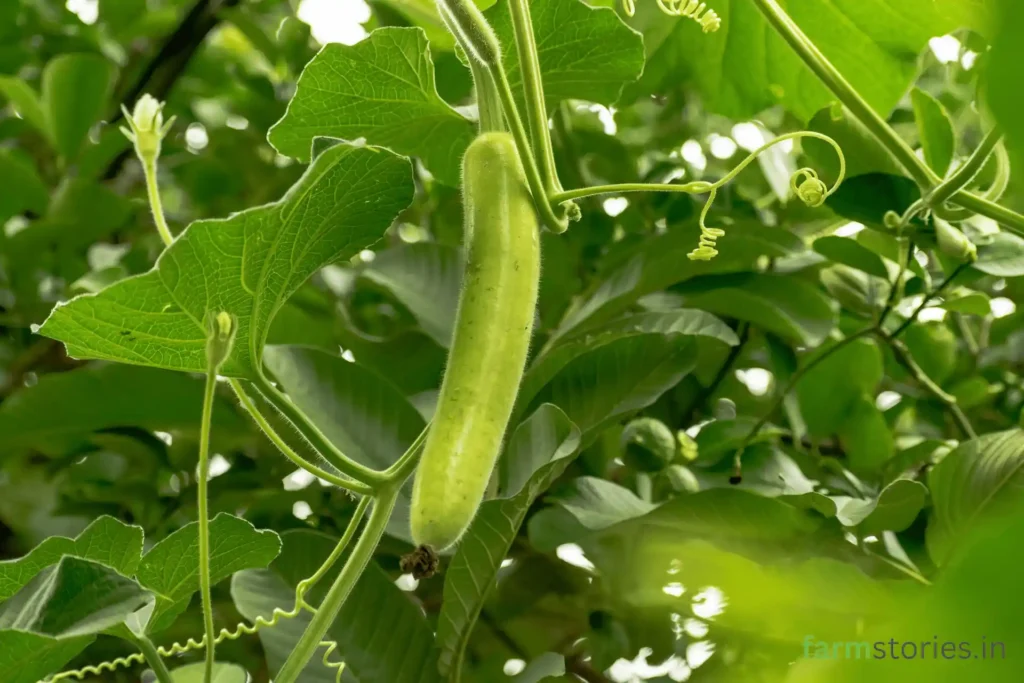
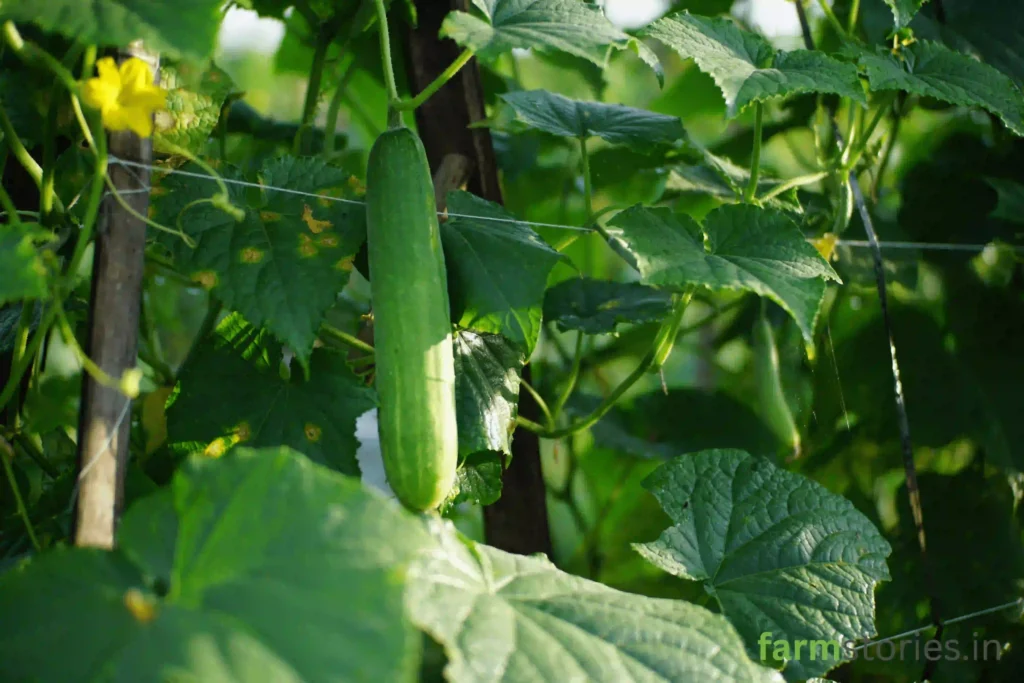
Training Summer Gourds on a Balcony Trellis is one of the most effective ways to grow climbing vegetables in limited space. Many home gardeners try to grow crops like bitter gourd, bottle gourd, or ridge gourd on balconies but struggle because they allow the vines to spread randomly. When these plants are left to crawl on the floor, they take up valuable space, receive poor airflow, and often produce fewer fruits.
The real secret to success lies in growing vertically. By guiding your plants upward using a simple trellis system, you not only save space but also create the ideal environment for healthy growth and higher productivity. This method is especially useful for balcony gardeners, where every inch matters.
To successfully implement training summer gourds on a balcony trellis, you don’t need expensive structures or complex setups. A simple, well-planned approach can completely transform your harvest.
Choosing the Right Trellis Setup for Balcony Gardening
The first step in training summer gourds on a balcony trellis is selecting a practical and efficient support system. Many beginners assume they need heavy wooden frames or metal structures, but in reality, a lightweight nylon creeper net works perfectly for balcony gardening.
These nets are affordable, easy to install, and strong enough to support even heavy gourds. You can securely tie the net between your balcony railing and ceiling hooks, creating a vertical climbing surface for your plants. Once installed, this structure acts as the backbone of your vertical garden.
A properly installed trellis ensures that your plants receive maximum sunlight exposure. It also improves air circulation around the leaves, which reduces the chances of fungal infections and pest attacks. In addition, fruits that grow hanging from a trellis tend to be straighter, cleaner, and healthier compared to those lying on the ground.
Guiding the Plant: The Importance of Early Training
One of the most important aspects of training summer gourds on a balcony trellis is guiding the plant during its early growth stage. Many gardeners make the mistake of waiting too long, allowing the plant to grow in random directions before trying to train it.
The ideal time to begin training is when the seedling reaches around 6 to 8 inches in height. At this stage, the main stem is still flexible and easy to guide. Using a soft cotton thread or cloth strip, gently tie the stem to the lower part of the trellis net. The goal is not to restrict the plant but simply to guide its direction.
Join a community dedicated to sustainable cultivation. Subscribe to FarmStories below for free, authentic insights into modern agri-tech and organic farming methods.
Within a few days, the plant’s natural tendrils will start attaching themselves to the net. Once this happens, the plant will continue climbing on its own without much intervention. This early guidance ensures that the vine grows upward in a structured manner, making maintenance easier and improving overall plant health.
As the plant grows taller, occasional adjustments may be needed to keep it aligned with the trellis. However, this process is simple and requires minimal effort once the plant establishes its climbing pattern.
The 3G Cutting Technique: A Game-Changer for Yield
A crucial yet often overlooked technique in training summer gourds on a balcony trellis is strategic pruning, commonly known as the “3G cutting” method. This technique plays a significant role in increasing fruit production.
In many cases, gardeners notice that their gourd plants produce only male flowers during the initial growth phase. While these flowers are important, they do not develop into fruits. Only female flowers have the ability to form gourds. If the plant continues to grow upward without branching, fruit production may remain low.
This is where the 3G cutting method becomes essential. When the main vine reaches the top of the trellis or balcony height, the tip of the vine is carefully snipped off. This action stops vertical growth temporarily and encourages the plant to produce side branches, also known as secondary vines.
These secondary vines are far more productive and tend to produce a higher number of female flowers. As a result, the overall yield of the plant increases significantly. This simple pruning step can make a noticeable difference between an average harvest and a highly productive one.
Creating the Ideal Balcony Environment for Gourds
Beyond structure and training, the success of training summer gourds on a balcony trellis also depends on maintaining the right growing conditions. Gourds thrive in warm climates and require plenty of sunlight. Ensure that your balcony receives at least 5 to 6 hours of direct sunlight daily.
Training Summer Gourds on a Balcony Trellis
Watering should be done carefully to keep the soil moist but not waterlogged. Since grow bags or containers are commonly used in balcony gardening, proper drainage is essential to prevent root rot. Feeding the plants with organic fertilizers like compost tea or Jeevamrutham during the flowering stage helps sustain healthy growth and fruit development.
Regular observation is key. As the plant grows, you will notice how it interacts with the trellis and responds to pruning. Small adjustments along the way will help maintain balance and maximize productivity.
Training Summer Gourds on a Balcony Trellis is not just a technique—it is a smart approach to modern urban gardening. By combining vertical growing, early plant training, and simple pruning methods like 3G cutting, even a small balcony can produce an impressive harvest.
With the right setup and a little attention, you can transform your limited space into a thriving green area filled with healthy, climbing vegetables. Whether you are growing bitter gourd, bottle gourd, or ridge gourd, this method ensures better plant health, improved airflow, and significantly higher yield.
Start with a simple trellis, guide your plants early, and let nature do the rest. The results will speak for themselves.
Want to see these techniques in action? Join our growing community of urban farmers by following farmstories on LinkedIn, Instagram, YouTube, and Facebook for daily tips, video guides, and harvest inspiration!