Kitchen Gardening for Beginners in India is becoming increasingly popular as more people want fresh, healthy, and chemical-free vegetables right outside their homes. Whether you live in an apartment, an independent house, or have a small backyard, you can grow a surprising variety of vegetables, herbs, and fruits with just a little planning.
A kitchen garden doesn’t require acres of land or expensive equipment. Many successful home gardeners start with only a few pots, grow bags, or a small raised bed. Over time, they expand their gardens as they gain confidence and experience.
One thing I’ve noticed over the years is that beginners often think gardening is difficult because they try to grow too many crops at once. Starting with five or six easy vegetables is usually a much better approach. It allows you to learn watering, soil preparation, pest management, and harvesting without feeling overwhelmed.
Besides providing fresh food, kitchen gardening is also an excellent way to recycle household waste through composting, reduce dependence on chemical fertilizers, and spend more time outdoors. It also gives children an opportunity to understand where food comes from and encourages healthier eating habits.
Whether your goal is to grow a few herbs on a balcony or harvest vegetables throughout the year, learning Kitchen Gardening for Beginners in India will help you build a productive and enjoyable home garden.
Table of Contents
What Is Kitchen Gardening?
Kitchen gardening is the practice of growing vegetables, herbs, fruits, and medicinal plants close to your home for everyday use. Unlike commercial farming, the primary purpose of a kitchen garden is to provide fresh produce for your family’s daily meals.
A kitchen garden can be created in many different spaces, including:
Backyards
Front yards
Terraces
Balconies
Rooftops
Courtyards
Grow bags
Containers
Raised beds
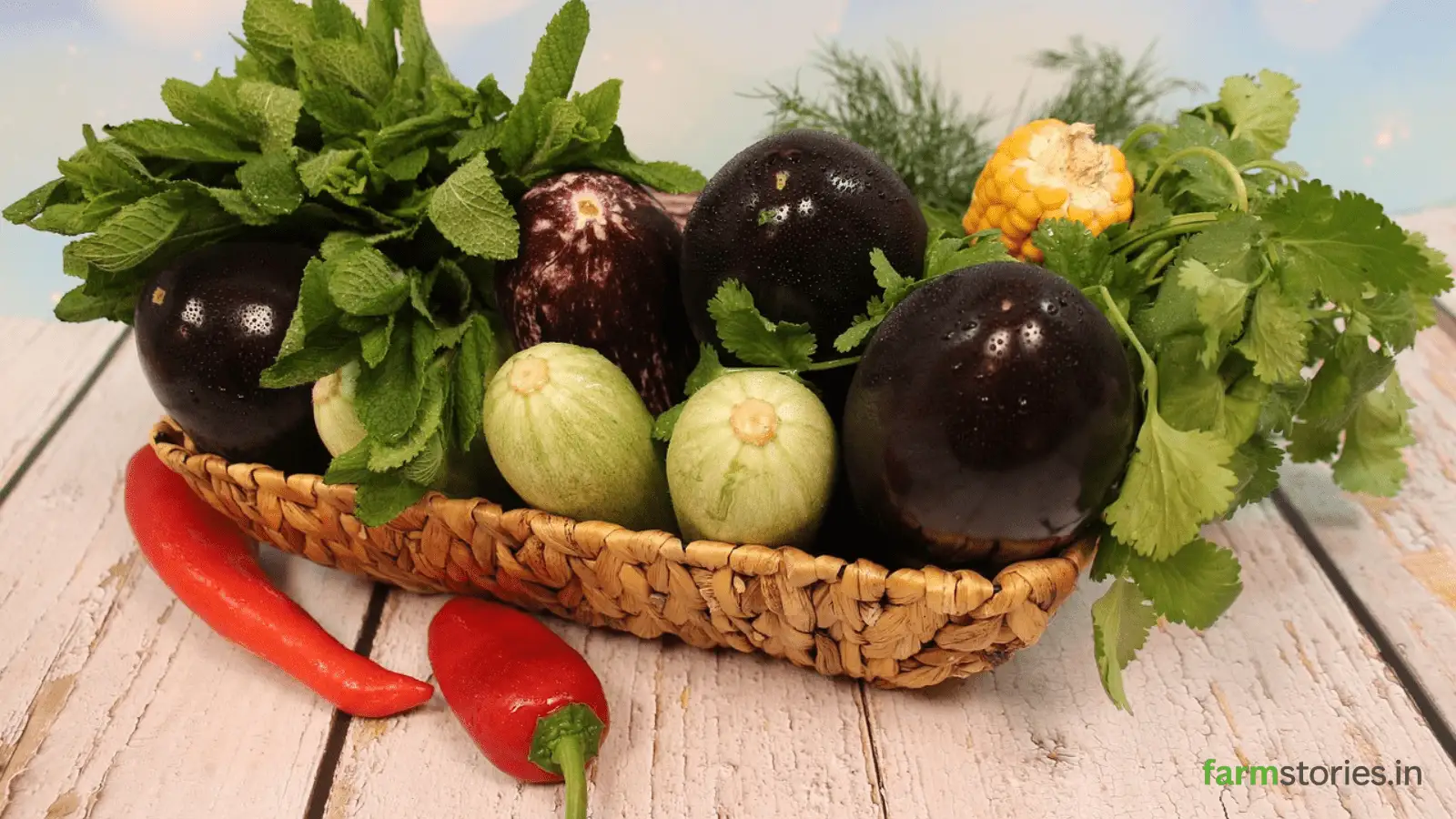
Even if you only have a balcony that receives enough sunlight, you can successfully grow tomatoes, chillies, spinach, coriander, mint, and several other vegetables.
Join a community dedicated to sustainable cultivation. Subscribe to FarmStories below for free, authentic insights into modern agri-tech and organic farming methods.
The biggest advantage is convenience. Instead of buying vegetables every few days, you can simply step outside and harvest exactly what you need.
Why Start a Kitchen Garden?
Many people begin gardening to save money, but they soon discover many additional benefits.
Fresh vegetables harvested just before cooking usually have better flavour and texture than produce that has travelled long distances before reaching the market.
Growing your own food also gives you complete control over what goes into your soil and onto your plants. You decide whether to use compost, organic fertilizers, or natural pest control methods.
Kitchen gardening also reduces food waste. Vegetable peels and fruit scraps can be converted into compost, which improves soil naturally. If you’ve already learned How to Make Compost at Home, you’ll know how valuable homemade compost can be for healthy vegetable production.
For families with children, gardening becomes a practical learning experience. Watching seeds germinate, flowers bloom, and vegetables develop teaches patience, responsibility, and an appreciation for nature.
Benefits of Kitchen Gardening for Beginners in India
A well-maintained kitchen garden offers far more than fresh vegetables.
Fresh and Nutritious Food
Vegetables harvested from your own garden are usually fresher than store-bought produce because they are picked at the right stage of maturity.
Reduces Grocery Expenses
Even a small kitchen garden can regularly produce spinach, coriander, chillies, tomatoes, okra, and herbs, helping reduce household food costs over time.
Encourages Healthy Eating
When fresh vegetables are easily available at home, families naturally include more nutritious foods in their meals.
Supports Sustainable Living
Kitchen gardening reduces packaging waste, transportation-related emissions, and dependence on commercially grown vegetables.
Improves Physical and Mental Well-being
Gardening involves light physical activity while also providing an opportunity to relax after a busy day. Many gardeners find that spending time caring for plants helps reduce stress and improves overall well-being.
Makes Good Use of Small Spaces
One of the biggest advantages of Kitchen Gardening for Beginners in India is flexibility. You don’t need a large plot of land. Balconies, rooftops, windowsills, and terraces can all be transformed into productive growing spaces with the right containers and proper planning.
Why Kitchen Gardening for Beginners in India Is Growing Rapidly
Kitchen Gardening for Beginners in India has gained popularity because more families want fresh vegetables, better food quality, and greater control over what they eat. Even people living in apartments are discovering that a few containers on a sunny balcony can provide herbs, leafy greens, tomatoes, and chillies throughout the year.
Another reason Kitchen Gardening for Beginners in India continues to grow is affordability. A small investment in pots, seeds, compost, and basic tools can provide fresh produce for several seasons. As gardeners gain experience, they often expand their gardens and grow a wider variety of vegetables without significantly increasing costs.
Types of Kitchen Gardens
Every home is different, so choose a gardening method that suits your available space.
Backyard Kitchen Garden
This is the traditional method where vegetables are grown directly in the ground. It offers the most growing space and allows larger crops such as pumpkins, gourds, and fruit trees.
Terrace Garden
Terrace gardening has become increasingly popular in Indian cities. Grow bags, raised beds, and large containers make it possible to grow a wide variety of vegetables even without a backyard.
Balcony Garden
A sunny balcony can support herbs, leafy vegetables, tomatoes, chillies, and compact varieties of brinjal.
Vertical shelves and hanging planters help maximize limited space.
Raised Bed Garden
Raised beds provide better drainage, improved soil quality, and easier maintenance. They are especially useful in areas where the existing soil is rocky, compacted, or poorly drained.
Container Garden
Containers remain one of the easiest ways to start gardening.
Plastic pots, clay pots, fabric grow bags, recycled buckets, and wooden boxes can all be used successfully, provided they have adequate drainage holes.
Planning Your Kitchen Gardening for Beginners in India
Good planning saves time, money, and effort.
Before buying seeds or plants, consider:
How much sunlight your space receives.
The vegetables your family eats most often.
Water availability.
Space for containers or raised beds.
Seasonal growing conditions.
Access to compost or organic fertilizers.
Instead of planting many different vegetables at once, begin with a few reliable crops. Tomatoes, chillies, spinach, coriander, okra, and mint are excellent choices for beginners because they are relatively easy to grow and provide regular harvests.
Planning ahead also makes it easier to rotate crops, manage pests, and maintain healthy soil throughout the year.
Choosing the Right Location for Your Kitchen Garden
A successful kitchen garden begins with the right location. Even the best seeds and nutrient-rich soil cannot compensate for poor sunlight or inadequate drainage.
Most vegetables require 6 to 8 hours of direct sunlight every day. Tomatoes, chillies, brinjal, cucumbers, okra, and gourds thrive in full sun, while leafy vegetables such as spinach, coriander, and fenugreek can tolerate partial shade.
Before setting up your garden, spend a day observing how sunlight moves across your balcony, terrace, or backyard. Choose the brightest area available.
Avoid places where rainwater collects after heavy showers. Standing water can damage roots and encourage fungal diseases.
If your home has limited space, don’t let that discourage you. A few well-placed containers or grow bags can produce a steady supply of fresh vegetables throughout the year.
Preparing the Soil for Healthy Plants
Healthy soil is the foundation of every productive kitchen garden.
The ideal soil should be:
Loose and well-drained
Rich in organic matter
Free from stones and weeds
Able to hold moisture without becoming waterlogged
Before planting, mix plenty of well-decomposed compost into the soil. If you’ve already prepared compost by following our How to Make Compost at Home guide, this is the perfect time to use it.
For container gardening, prepare a balanced potting mix using:
Material
Quantity
Garden Soil
40%
Compost
30%
Coco Peat or River Sand
30%
This combination provides nutrients, good drainage, and enough moisture retention for most vegetables.
If the soil feels compact after watering, loosen it gently every few weeks to improve airflow around the roots.
Choosing the Right Containers
One advantage of Kitchen Gardening for Beginners in India is that you don’t need expensive pots.
You can successfully grow vegetables in:
Grow bags
Clay pots
Plastic containers
Cement pots
Wooden boxes
Recycled paint buckets
Large drums
Vegetable crates
Whatever container you choose, ensure it has enough drainage holes.
Approximate container sizes:
Crop
Recommended Pot Size
Coriander
6–8 inches
Spinach
8–10 inches
Chilli
10–12 inches
Tomato
12–15 inches
Brinjal
12–15 inches
Okra
12 inches
Bottle Gourd
18–24 inches
Larger containers generally hold moisture better and allow stronger root development.
Essential Gardening Tools
You don’t need a large collection of tools to begin.
A few basic tools are enough for daily gardening tasks.
Essential tools include:
Hand trowel
Garden fork
Hand cultivator
Pruning scissors
Watering can
Spray bottle
Gardening gloves
Garden rake
Buckets
Plant labels
Buying quality tools once often saves money because they last for years with proper care.
Best Vegetables for Beginners
Choosing easy vegetables builds confidence and helps you learn gardening faster.
Tomato
Tomatoes are one of the most rewarding vegetables for beginners.
They grow well in containers, raised beds, and open gardens.
Provide support using bamboo stakes or tomato cages once the plants begin growing taller.
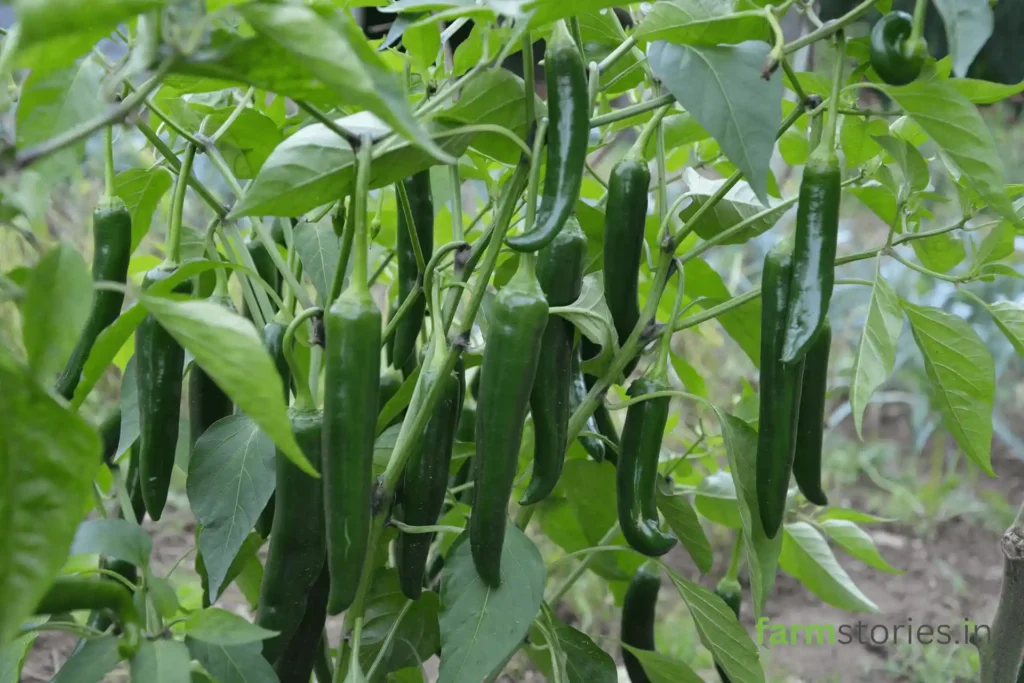
Chilli
Chilli plants need little space and continue producing for several months.
Pick mature chillies regularly to encourage more flowering.
Spinach
Spinach grows quickly and can often be harvested within four to six weeks.
Harvest only the outer leaves so the centre continues producing fresh growth.
Coriander
Coriander is easy to grow from seed.
Sow fresh seeds every two to three weeks for a continuous harvest.
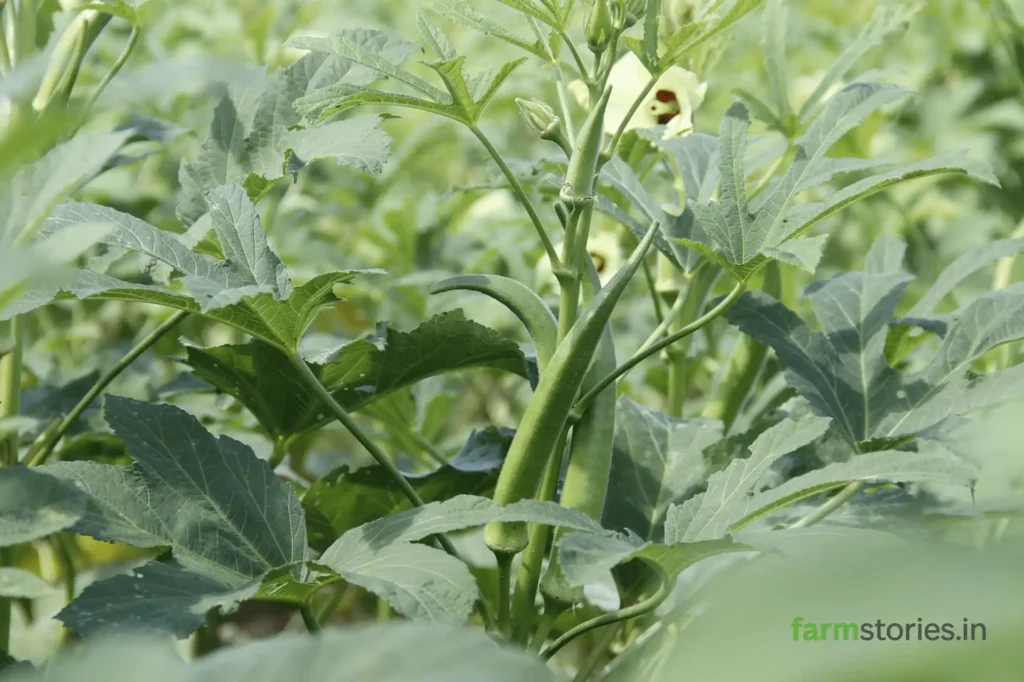
Okra
Okra grows rapidly during warm weather and begins producing tender pods within two months.
Harvest pods while they are still young for the best taste.
Radish
Radish is one of the fastest-growing vegetables.
Most varieties mature within 30 to 45 days.
Loose soil helps develop straight, healthy roots.
Bottle Gourd
Bottle gourd vines require a trellis but reward gardeners with a generous harvest.
The young fruits are ideal for home cooking.
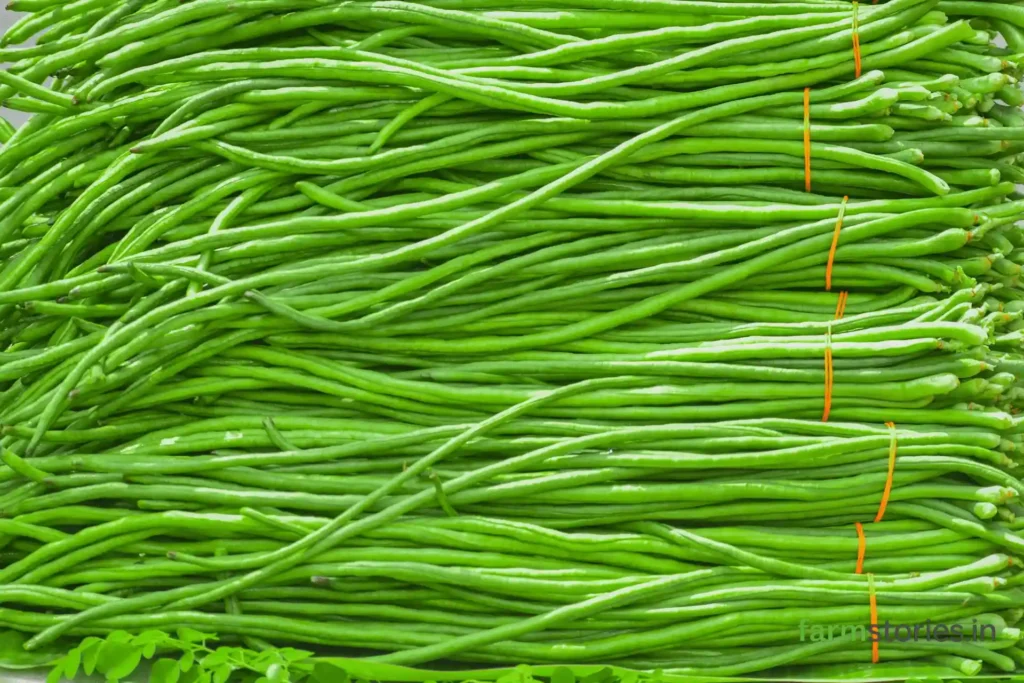
Beans
Bush beans and pole beans grow well in most parts of India.
Fresh herbs improve both your garden and your cooking.
Excellent choices include:
Mint
Tulsi (Holy Basil)
Curry Leaves
Lemongrass
Coriander
Fenugreek
Dill
Parsley
Most herbs grow successfully in medium-sized containers and require very little maintenance.
Watering Your Kitchen Garden
Many beginners lose plants because of overwatering rather than underwatering.
Instead of watering every day automatically, check the soil first.
Insert your finger about 2 to 3 centimetres into the soil.
If it still feels moist, wait another day before watering.
Early morning is generally the best time to water plants because evaporation is lower and foliage dries quickly after sunrise.
During hot summer months, container plants may need daily watering, while winter and rainy seasons usually require less frequent watering.
Feeding Plants Naturally
Healthy vegetables need regular nutrition throughout their growing season.
Organic fertilizers improve both plant growth and long-term soil health.
Good options include:
Homemade compost
Vermicompost
Farmyard manure
Compost tea
Mustard cake fertilizer
Seaweed extract
Apply compost around vegetable plants every three to four weeks to maintain healthy growth.
Healthy soil also helps plants resist pests naturally.
Managing Pests Without Chemicals
Every kitchen garden attracts insects. The goal isn’t to eliminate every insect but to prevent serious crop damage.
Inspect your plants at least twice each week.
Pay close attention to the underside of leaves where pests often hide.
Common pests include:
Aphids
Whiteflies
Mealybugs
Spider mites
Caterpillars
Early detection makes pest management much easier.
If you notice pests, follow the techniques explained in our Organic Pest Control Methods for Home Gardens guide. Neem oil sprays, companion planting, and hand removal often solve small infestations without using chemical pesticides.
One of the advantages of Kitchen Gardening for Beginners in India is the ability to grow different vegetables throughout the year.
Summer
Grow:
Okra
Chilli
Brinjal
Bitter Gourd
Bottle Gourd
Cucumber
Pumpkin
Monsoon
Suitable crops include:
Spinach
Amaranth
Ridge Gourd
Cowpea
Pumpkin
Colocasia
You can also refer to our article on Best Vegetables to Grow in Rainy Season in India to choose crops that perform well during the monsoon.
Winter
Excellent winter vegetables include:
Carrot
Beetroot
Radish
Cabbage
Cauliflower
Broccoli
Peas
Lettuce
Growing vegetables according to the season improves yields while reducing pest and disease problems.
How Kitchen Gardening for Beginners in India Saves Money
One of the biggest advantages of Kitchen Gardening for Beginners in India is reducing regular grocery expenses. Vegetables like spinach, coriander, mint, chillies, and tomatoes are harvested repeatedly, giving your family fresh produce without frequent trips to the market.
Over time, Kitchen Gardening for Beginners in India also reduces spending on fertilizers because homemade compost can supply much of the organic matter your plants need. By recycling kitchen waste and using natural pest management practices, you create a more self-sustaining garden while reducing household waste.
Common Mistakes to Avoid
Many beginners become discouraged because they make a few common mistakes during their first gardening season. The good news is that most of these problems are easy to prevent with a little planning and regular observation.
Growing Too Many Plants at Once
It’s exciting to buy lots of seeds, but planting 15 or 20 different vegetables in your first season often becomes difficult to manage.
Start with five or six reliable crops such as tomatoes, chillies, spinach, coriander, okra, and radish. Once you gain confidence, you can gradually expand your kitchen garden.
Small pest infestations are much easier to manage than large outbreaks.
Inspect your plants every few days.
If you notice damaged leaves or insects, take action immediately using natural methods such as neem oil, hand-picking insects, or companion planting. Early action usually prevents serious damage.
Harvesting Your Vegetables
Knowing when to harvest is just as important as knowing when to plant.
Harvest vegetables at the right stage for the best flavour and continued production.
General guidelines include:
Pick tomatoes after they develop full colour.
Harvest okra when pods are young and tender.
Collect chillies regularly to encourage new flowers.
Cut spinach leaves from the outside while allowing the centre to continue growing.
Harvest coriander leaves as needed without removing the entire plant.
Regular harvesting encourages many vegetables to produce for a longer period.
Expert Tips for Kitchen Gardening for Beginners in India
If you’re serious about Kitchen Gardening for Beginners in India, these simple habits can make a noticeable difference.
Grow vegetables your family eats regularly instead of experimenting with too many unfamiliar crops.
Keep a simple gardening diary to record planting dates, harvests, and pest problems.
Rotate crops every season to maintain soil fertility and reduce pest build-up.
Add homemade compost every month to keep the soil healthy.
Collect rainwater whenever possible for watering your garden.
Remove yellow or diseased leaves as soon as you notice them.
Mulch the soil with dry leaves or straw to reduce water loss and suppress weeds.
Don’t be discouraged by occasional failures. Every gardening season teaches valuable lessons that improve your skills over time.
Consistent care matters much more than spending money on expensive products.
Frequently Asked Questions
Is kitchen gardening suitable for apartments?
Yes. Many vegetables and herbs grow successfully in balconies, terraces, and sunny windows using pots or grow bags.
Which vegetables are easiest for beginners?
Tomato, chilli, spinach, coriander, radish, okra, and mint are among the easiest vegetables and herbs to grow.
How much sunlight does a kitchen garden need?
Most vegetables require 6 to 8 hours of direct sunlight every day for healthy growth and good yields.
How often should I water my plants?
Water only when the top layer of soil begins to dry. The frequency depends on the weather, plant size, and container type.
Can I grow vegetables without chemical fertilizers?
Yes. Compost, vermicompost, farmyard manure, and other organic fertilizers provide nutrients while improving long-term soil health.
What is the best season to start kitchen gardening?
You can begin at almost any time of the year by choosing seasonal vegetables. Spring and the beginning of the monsoon are especially suitable in many parts of India.
How can I protect vegetables from pests naturally?
Even a balcony with five or six containers is enough to grow herbs, leafy vegetables, tomatoes, and chillies. As your experience grows, you can gradually expand your garden.
Kitchen Gardening for Beginners in India proves that you don’t need a large farm or years of experience to grow fresh, healthy vegetables at home. With the right location, fertile soil, quality seeds, and regular care, even a small balcony or terrace can become a productive kitchen garden.
Start with a few easy-to-grow vegetables, improve your soil with homemade compost, water wisely, and monitor your plants regularly. Gardening is a skill that develops through practice, and every season helps you become a more confident gardener.
As your garden grows, you’ll enjoy fresher food, lower grocery bills, healthier soil, and the satisfaction of harvesting vegetables you’ve grown yourself. The best time to start your kitchen garden is today.
Want to see these techniques in action? Join our growing community of urban farmers by following farmstories on LinkedIn, Instagram, YouTube, and Facebook for daily tips, video guides, and harvest inspiration!